
Key Differences Between Newer and Classic Beyblade Systems
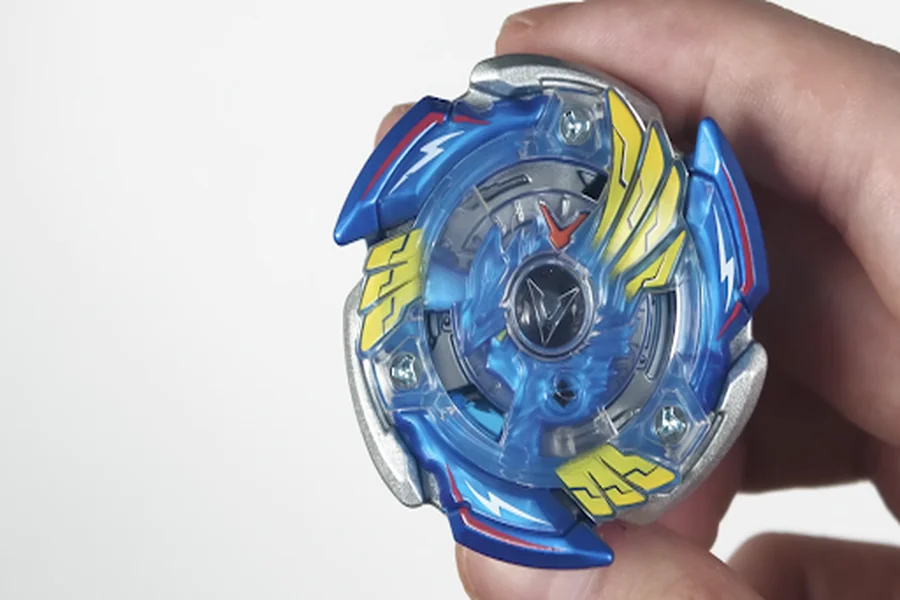
The Beyblade franchise has gone through several distinct eras, each redefining how battles work and how players interact with their tops. Among the most discussed comparisons today is Beyblade X vs Burst, as these two systems represent different philosophies of performance, strategy, and player control. An in-depth breakdown of the mechanics behind this comparison is available at Beyblade X vs Burst, where the structural and gameplay shifts between the generations are examined in detail.
Understanding how these systems differ helps explain why they appeal to different types of players, despite sharing the same core concept.
Core Design Philosophy
Beyblade Burst introduced a dramatic shift from earlier generations by adding the burst mechanic. Tops are designed to separate into multiple parts when hit with enough force, creating an instant win condition. This design prioritizes excitement, unpredictability, and momentum swings during battles.
Beyblade X moves in a different direction. Instead of focusing on parts coming apart, the system emphasizes tighter construction, higher speed, and decisive contact. The goal is not surprise finishes, but fast, aggressive exchanges that reward precision and launch technique.
Structural Differences in Parts
In the Burst system, each Beyblade is built around controlled separation. Layers, discs, and drivers are intentionally designed with varying levels of resistance, which affects how easily a top can burst. This makes part selection critical for balancing attack power with survivability.
Beyblade X parts are engineered to stay locked together more securely. The emphasis is on structural integrity during high-impact collisions, allowing battles to play out through sustained contact rather than sudden disassembly. This shift changes how players approach customization and risk.
Battle Flow and Match Outcomes
Burst battles often feature abrupt endings. A single strong hit can decide a match instantly, even if one Beyblade was otherwise performing well. This creates a dynamic where defensive stability and burst resistance are just as important as raw attack.
Beyblade X battles tend to be more continuous. Matches focus on knockouts, positioning, and speed rather than sudden part separation. The flow feels faster and more physical, with outcomes shaped by movement patterns and arena interaction.
Stadium Interaction
The stadium plays a major role in defining how each system feels. Burst stadiums are typically bowl-shaped, encouraging prolonged contact and repeated collisions that increase the chance of bursts.
Beyblade X stadiums are designed to complement speed and directional movement. Flatter surfaces and defined engagement zones support rapid exchanges and decisive knockouts, reinforcing the system’s emphasis on momentum and control.
Customization and Strategy
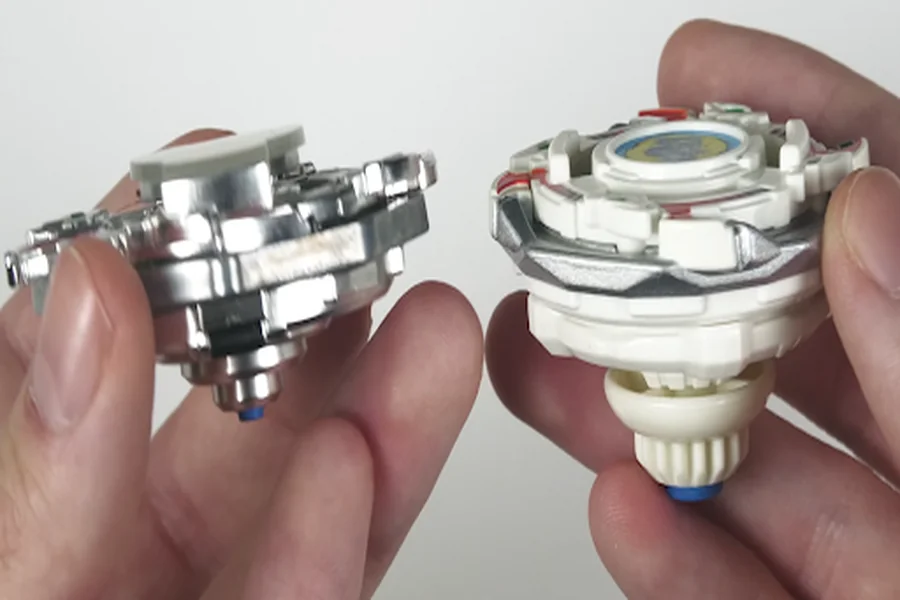
Customization exists in both systems, but its purpose differs. In Burst, players often tune their builds to manage burst risk while still delivering effective attacks. Strategy involves predicting how parts will behave under impact and adjusting accordingly.
In Beyblade X, customization focuses more on optimizing performance characteristics such as speed, balance, and contact angles. Since parts are less likely to separate, players can concentrate on refining launch technique and movement patterns rather than mitigating burst vulnerability.
Skill Expression and Player Control
Burst rewards adaptability and tactical awareness. Players must account for variability and accept that even well-planned builds can fail suddenly under the right hit. This unpredictability is part of the appeal.
Beyblade X places greater emphasis on consistency and execution. Launch strength, angle, and timing have a more direct impact on results, making skill expression feel more mechanical and deliberate.
Competitive Appeal
Both systems support competitive play, but they attract different preferences. Burst appeals to players who enjoy dramatic finishes and high-risk strategies. Beyblade X appeals to those who favor speed, control, and repeatable performance.
These differences mirror broader trends in competitive toy systems, where newer designs often prioritize precision and consistency over spectacle alone.
Broader Context in Toy Design
The evolution from Burst to X reflects a larger shift in performance-based toys toward tighter tolerances and more skill-driven outcomes. Educational research into play and learning, such as work associated with the American Psychological Association, highlights how systems that reward experimentation and refinement support problem-solving and motor skill development, principles clearly reflected in modern Beyblade design.