
The Best Cannabis Seeds for Beginners: Easy Strains, Simple Tips & Top Picks
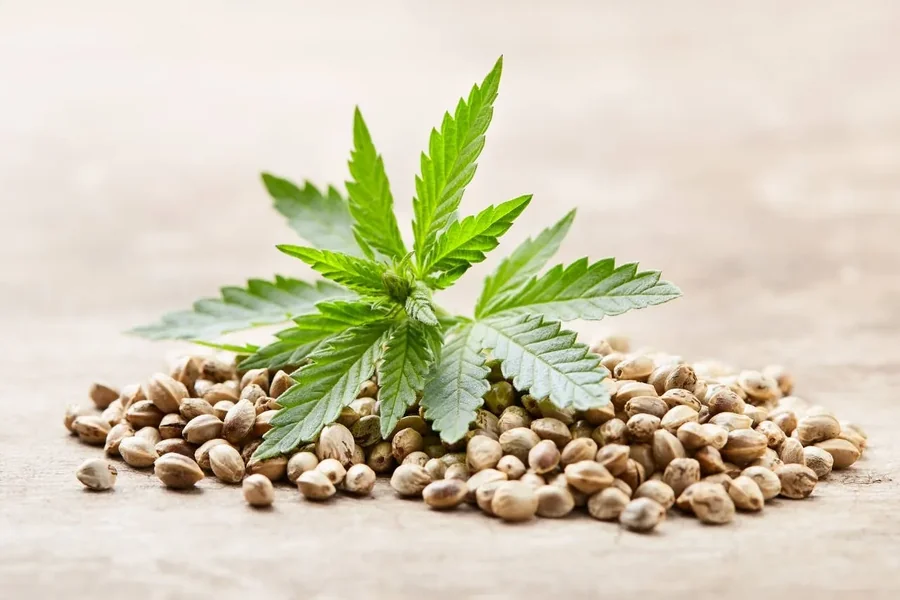
Growing cannabis for the first time can feel intimidating, but the secret to a successful start often lies in a single choice the right seed. This guide is designed to demystify the process, helping you pick the best cannabis seeds with confidence.
We’ll provide specific strain recommendations tailored for novices, ensuring your first growing experience is as smooth and rewarding as possible. By choosing beginner-friendly seeds, you’re setting yourself up for fewer mistakes, less stress, and a much greater chance of a successful harvest. Let’s start with what makes a strain beginner-friendly.
What Makes a Cannabis Strain Beginner-Friendly?
For a first-time grower, the most important qualities in a cannabis seed are resilience and forgiveness. Beginner-friendly strains are bred to withstand common mistakes, such as slight over or underwatering, minor nutrient fluctuations, and less-than-perfect lighting conditions.
These hardy genetics mean the plant is less likely to suffer from stress, which can impact growth and final yield. Additionally, many beginner strains have a shorter flowering cycle and more compact growth, making them ideal for indoor setups where space might be limited. Their stable genetics ensure a predictable and manageable growing experience.
Seed Types for Beginners
Autoflowering seeds are often the top recommendation for those seeking the best marijuana seeds for beginners. These remarkable plants transition from the vegetative stage to the flowering stage based on age rather than a change in the light cycle, removing a significant layer of complexity for new growers. They also tend to have a very fast seed-to-harvest time, often under 10 weeks, making them ideal for impatient first-timers.
Feminized seeds are genetically engineered to produce only female plants, which is a major advantage for beginners. This eliminates the need to identify and remove male plants, which don’t produce buds and can pollinate the females, leading to a crop full of seeds instead of smokable flower. For anyone looking for easy marijuana seeds for beginners, feminized varieties offer peace of mind and guaranteed bud production.
Regular seeds have a 50/50 chance of producing male or female plants. While they are essential for breeding projects, they are less ideal for beginners who are focused on producing a crop of buds without the hassle of gender identification.
When it comes to Indica vs Sativa vs Hybrid, indica-dominant strains are often recommended for beginners due to their shorter flowering times, compact size, and robust nature. Sativas tend to be taller and have longer flowering periods, which can be more challenging to manage in limited spaces. Hybrids can offer a balance of traits, but it’s important to check the specific characteristics of each hybrid strain to ensure it matches your growing conditions and experience level.
Matching Seeds to Grow Environment
Indoor vs. Outdoor growing each have their advantages and challenges. Indoor growing provides more control over the environment, but requires an investment in equipment like grow lights, fans, and ventilation systems.
Outdoor growing is cheaper and allows plants to benefit from natural sunlight, but you are at the mercy of your local climate and weather patterns. Some strains are specifically bred for indoor cultivation, while others thrive in outdoor gardens.
Climate considerations are crucial if you’re growing outdoors. It’s essential to choose a strain that can handle your local climate conditions. Some strains are more resistant to mold and pests, making them better for humid regions, while others are bred to thrive in cooler temperatures or withstand heat waves. Matching your strain to your climate is one of the smartest decisions a beginner can make.
Stealth and Plant Size matter for many growers, especially those in areas with legal restrictions or nosy neighbors. If you need to be discreet, choose a strain that naturally grows short and has a low odor profile. Many autoflowering and indica-dominant strains fit this description perfectly, staying compact while still producing quality yields.
How to Choose the Right Beginner Seed
Germination Guarantee & Seedbank Reputation
Always purchase seeds from a reputable seedbank that offers a germination guarantee. This protects your investment and ensures you’re starting with viable genetics. A germination guarantee typically means that if your seeds fail to sprout under proper conditions, the company will replace them at no additional cost. This safety net is invaluable for beginners who may not yet have perfected their germination technique.
Established companies stand behind their products and offer resources to help beginners succeed. Look for seedbanks that provide detailed strain descriptions, growing guides, and responsive customer service teams that can answer your questions.
When evaluating a seedbank’s reputation, check for customer reviews on independent forums and review sites. Pay attention to feedback about germination rates, shipping times, packaging quality, and how the company handles issues.
Avoid seedbanks with consistently negative reviews or those that seem too good to be true with unrealistic claims. Established seedbanks often have years or even decades of experience, which translates to better genetics and more reliable service. Additionally, reputable companies use stealth packaging to ensure your seeds arrive safely and discreetly, which is especially important if you’re ordering internationally or live in an area with restrictive laws.
Genetic Stability & Beginner-Strain Reliability
Stick to well-known, stable strains for your first few grows. Strains like White Widow and Northern Lights have been popular for decades because of their reliability and consistent results.
These strains have been bred over multiple generations to stabilize their genetics, meaning you can expect consistent growth patterns, flowering times, and effects from seed to seed. This predictability is crucial for beginners who are still learning to read their plants and adjust their growing techniques.
Genetic stability also means fewer surprises during the grow. Unstable genetics can result in plants that hermaphrodite, develop both male and female flowers, exhibit wildly different phenotypes, or produce inconsistent potency and yields.
When you choose a strain with a proven track record, you’re benefiting from years of careful breeding and selection by professional breeders who have worked to eliminate these undesirable traits.
Look for strains that are described as stable,reliable,or beginner-friendly in seedbank descriptions. These strains typically have multiple generations of breeding behind them and have been tested by thousands of growers worldwide.
Reading grow reports and journals from other cultivators can also give you valuable insights into how a strain performs under various conditions. Classic strains that have stood the test of time are usually your safest bet for a first grow, as they’ve earned their reputation through consistent performance across different growing environments and skill levels.
Yield, THC/CBD Levels, & Grow Difficulty
Beginner-friendly doesn’t have to mean low potency. Many easy-to-grow strains produce high-quality, potent buds with THC levels ranging from 15% to 25% or higher. The key is to look for a balance between ease of growth and the desired THC/CBD levels and yield.
Don’t fall into the trap of thinking that difficult-to-grow strains are automatically more potent some of the most potent strains are also among the easiest to cultivate.
When evaluating yields, understand that seedbank estimates are typically based on optimal growing conditions. As a beginner, you might achieve 60-80% of the advertised yield on your first grow, which is perfectly normal.
Indoor yields are usually measured in grams per square meter (g/m²) or ounces per square meter (oz/m²), while outdoor yields are measured per plant. Strains that advertise yields of 400-500 g/m² (14-18 oz/m²) indoors are considered good producers, while anything above that is excellent.
THC and CBD levels are important considerations based on your intended use. High-THC strains (20%+) produce more intense psychoactive effects, while strains with balanced THC: CBD ratios like 1:1 or 2:1 offer more mellow, therapeutic effects with less anxiety or paranoia.
For beginners who are sensitive to THC or growing for medical purposes, consider strains with moderate THC levels (12-18%) or those with higher CBD content. Seedbank websites typically provide detailed information on each strain’s cannabinoid profile, expected yields, and grow difficulty rating. Use these as your guide when making selections.
Flowering Time & Plant Size
Shorter flowering times and compact growth are a beginner’s best friend. They reduce the time you have to wait for harvest and make the plants easier to manage, especially in a small indoor space.
Flowering time refers to the period from when the plant begins producing buds until it’s ready to harvest. For photoperiod strains, this typically ranges from 7 to 12 weeks, while autoflowering strains complete their entire life cycle from seed to harvest in 8 to 12 weeks.
Strains with shorter flowering times, 7-9 weeks for photoperiods, 8-10 weeks total for autos, offer several advantages for beginners. First, you’ll see results faster, which helps maintain motivation and allows you to learn and apply lessons more quickly.
Second, shorter growing seasons mean less time for things to go wrong, fewer opportunities for pest infestations, nutrient issues, or environmental problems to derail your harvest. Third, faster turnaround means you can run more grows per year, accelerating your learning curve.
Plant size is equally important, especially for indoor growers or those with space constraints. Indica-dominant strains and most autoflowers naturally stay compact, typically reaching 60-120 cm (2-4 feet) in height.
Sativa-dominant strains can stretch to 180 cm (6 feet) or more, which can be challenging in small grow tents or closets. When reading strain descriptions, pay attention to both indoor and outdoor height estimates.
Compact strains are easier to manage, require less vertical space, and are simpler to train using techniques like low-stress training (LST). They’re also more discreet for outdoor grows in areas where you want to keep your plants hidden from view.
Resistance to Pests & Mould:
Choosing a strain with natural resistance to pests and mold will make your growing experience much easier. This is especially important for outdoor growers, but it’s a valuable trait for indoor grows as well.
Cannabis plants can fall victim to various pests, including spider mites, aphids, fungus gnats, and thrips, as well as fungal diseases like powdery mildew, bud rot (botrytis), and root rot. Dealing with these issues as a beginner can be stressful and may require treatments that you’re not yet comfortable applying.
Strains bred for pest and mold resistance have natural defenses built into their genetics. These might include thicker leaf cuticles that pests find harder to penetrate, more robust immune systems that fight off fungal infections, or growth structures that promote better air circulation around buds, reducing mold risk.
Indica-dominant strains often have denser bud structure, which can make them more susceptible to mold in humid conditions, while sativa-dominant strains with airier buds tend to be more mold-resistant but may take longer to flower.
When selecting seeds, look for strain descriptions that specifically mention resistance to mold, mildew, or pests. Strains developed for outdoor growing in challenging climates like Northern Europe are often bred with enhanced resistance.
If you live in a humid climate or are growing outdoors in an area with high pest pressure, prioritize resistance over other factors. For indoor growers, proper environmental control, humidity, temperature, and air circulation are your first line of defense, but starting with resistant genetics gives you an extra safety margin as you learn to dial in your grow environment. Remember that no strain is completely immune; good growing practices are still essential, but resistant strains are far more forgiving of beginner mistakes.
Top Beginner-Friendly Strains and Seeds
Top Autoflowering Beginner Strains
- Royal Dwarf: is a fantastic choice for beginners due to its small size, fast flowering time, and impressive resilience. This low-maintenance plant produces a respectable yield of quality buds with a relaxing effect, making it one of the best autoflower seeds for beginners. With a flowering time of around 6-7 weeks, you’ll be harvesting in no time.
- Easy Bud: lives up to its name by being incredibly easy to grow. This fast-flowering autoflower is perfect for first-time cannabis growers who want a hassle-free experience. The flavor profile features a pleasant mix of citrus and skunk, while the effect delivers a gentle, relaxing body high. Flowering time is around 5-7 weeks, making it one of the quickest options available.
- Green Crack Auto: is a great option for those who want a faster harvest without sacrificing quality. This strain is known for its energetic and creative effects, along with its fruity, skunky aroma. It’s a forgiving plant that can handle some beginner mistakes, making it ideal for your first-time cannabis strain guide. Flowering time is around 8-9 weeks.
Best Feminized Photoperiod Beginner Strains
- White Widow: is a classic, balanced hybrid known for its resilience and ease of growth. This legendary strain produces dense, resinous buds with a powerful, euphoric high that has made it a favorite for decades. It’s a great choice for beginners who want to try a strain with a proven track record and stable genetics.
- Northern Lights: is another legendary indica strain that is perfect for beginners seeking reliable results. This very forgiving plant is resistant to pests and diseases, making it one of the most beginner-friendly photoperiod strains available. It produces a heavy, relaxing body high that is great for evening use and stress relief.
- Special Queen 1: is a cost-effective and reliable feminized strain that won’t break the bank. This 50/50 sativa/indica hybrid produces a long-lasting, relaxing high and offers excellent value for money. It’s a great choice for beginners on a budget who still want quality genetics.
Outdoor-Friendly Beginner Strains
- Royal Critical: is a great choice for outdoor growers due to its high resistance to pests. This hardy plant can handle less-than-ideal conditions, making it perfect for beginners who are growing in their backyard or garden without sophisticated equipment.
- Skunk XL: is a classic strain that has been adapted for outdoor growing. This resilient plant produces a large yield of potent, skunky buds and can withstand various environmental challenges. It’s an excellent option for first-time outdoor growers who want impressive results.
FAQs:
Do beginner seeds produce weak buds?
Beginner-friendly refers to the ease of cultivation, not the quality or potency of the final product. Many beginner strains are award-winning classics that produce top-shelf buds with high THC and or CBD content. The key is to choose a reputable breeder and provide good growing conditions.
Are autoflowers always better for beginners?
Autoflowers are a fantastic choice for many beginners due to their speed and simplicity. However, they are less forgiving of major mistakes in the early stages of growth because their lifespan is predetermined.
Photoperiod strains, on the other hand, give you as much time as you need in the vegetative stage to correct problems before initiating flowering. The better option depends on your specific goals and growing style.
Conclusion:
Choosing the best marijuana seeds for beginners is the first and most crucial step on your journey to becoming a successful home grower. By opting for easy genetics and making smart selections based on your specific needs and environment, you can ensure a smooth and rewarding experience.
Whether you choose autoflowering seeds for their speed and simplicity, or feminized photoperiod strains for their flexibility and forgiveness, the key is to start with stable, beginner-friendly genetics.