
How Poor HVAC Design Can Disrupt Interior Comfort and Aesthetics
You’ve spent months selecting the ideal quartz worktops and that particular “eggshell” color that isn’t simply white. After you move in, the master bedroom turns into a real sauna, and the living room feels like a walk-in freezer. It’s annoying. Often, when people face these headaches, they immediately hunt for HVAC repair in Fremont, thinking a component just snapped. However, in most cases, inadequate HVAC design ingrained in the structure of the house is the issue rather than a malfunctioning component.
You lose more than simply comfort when a system is thrown together without taking into account the particular physics of a space; you also lose the atmosphere of your house. It’s a classic case of function failing form, and vice versa.
Uneven Temperature Distribution
A stunning open-concept layout that resembles a number of microclimates is something. You’re cozy on the couch one minute, and then you’re running through a cold zone in the hallway the next. One of the most prevalent HVAC system design issues is this one.
Physics doesn’t give a damn about your layout. The air stagnates if the ductwork isn’t large enough to accommodate the amount of air required for a huge room with high ceilings. You wind up with “stratification,” in which your toes become numb and the heat is trapped at the ceiling. It’s not just about the furnace or the AC unit; it’s about how that air is ushered through the house. When the math is off, the comfort is off.
Airflow and Noise Problems
There is nothing quite like a quiet evening being ruined by an HVAC system that sounds like a jet engine taking off in your attic. This usually happens because of high static pressure. Essentially, the system is trying to shove too much air through pipes that are too small.
Beyond the racket, poor HVAC design creates weird drafts. You shouldn’t feel like you’re standing in a wind tunnel just because the AC kicked on. If the registers are placed directly over a bed or a dining table, it’s a design failure. The best HVAC systems are the ones you forget exist. If you can hear it whistling or feel it blasting your hair around, the original blueprint was flawed.
Visual Impact on Interior Design
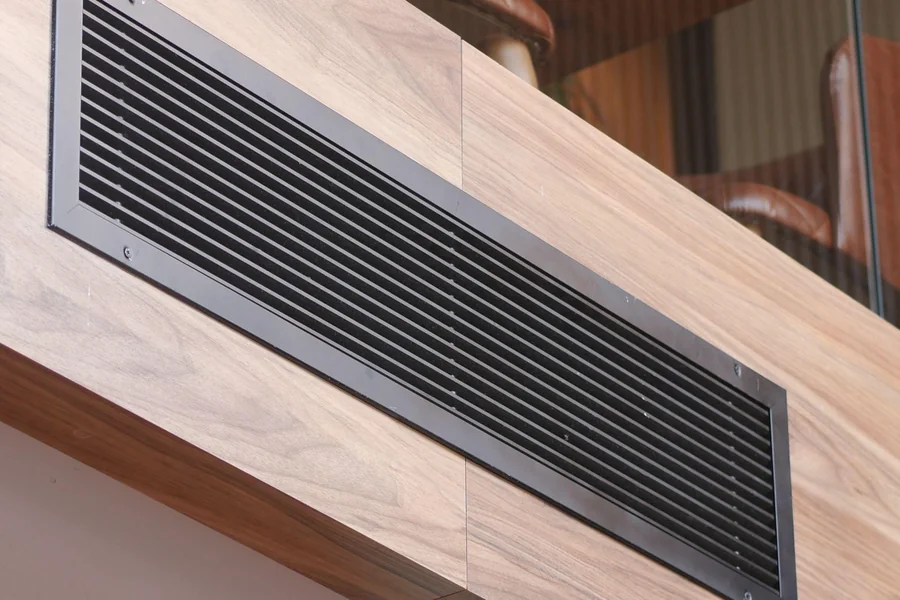
This leads us to the subject of the aesthetic “sore thumb.” Everyone has seen it: a beautiful, plain wall that is tainted by a massive, ungainly return air grille that appears to be from a 1970s office building. Or perhaps a bulkhead—those enclosed sections of the ceiling that cut through a crown molding in an odd manner because the duct runs were not planned.
When HVAC design problems aren’t addressed during the architectural phase, the mechanical team has to “wing it.” This leads to dropped ceilings in weird places and vents that break the symmetry of a room. It’s a shame when a $20,000 kitchen remodel is visually downgraded because a massive silver vent had to be tacked onto the focal wall as an afterthought.
Inefficient Space Utilization
Space is a premium. In many older homes or rushed new builds, the mechanical closet is an oversized beast that eats up valuable square footage. Or worse, ductwork is routed in a way that kills your closet space or prevents you from having that vaulted ceiling you wanted.
Smart design integrates the mechanicals into the dead zones of a house. But when you’re dealing with HVAC system design issues, the equipment starts dictating the layout of the home rather than serving it.
Energy Inefficiency and Comfort Trade-Offs
It’s a bit of a paradox: a poorly designed system actually works harder to give you worse results. If the thermostat is placed in a drafty hallway or right next to a sunny window, the whole house suffers. The unit will cycle on and off constantly (short-cycling), which hammers your utility bills and wears out the compressor.
People often try to “fix” this by cranking the air or closing vents in unused rooms. But here’s the thing: closing vents actually increases pressure in the system and can lead to a cracked heat exchanger or a frozen coil. You’re trading a little bit of comfort for a massive repair bill down the line. It’s a losing game.
Long-Term Maintenance and Redesign Costs
If the original design makes it impossible for a technician to actually reach the equipment, you’re going to pay for it. When things are buried behind permanent drywall without access panels, a simple fix becomes a demolition project. This is where a company like Fuse Service can really help identify where things went wrong, but the “re-do” cost is always higher than doing it right the first time. If the bones are bad, you’re looking at a future of expensive fixes until someone finally bites the bullet and redesigns the whole run.
In conclusion
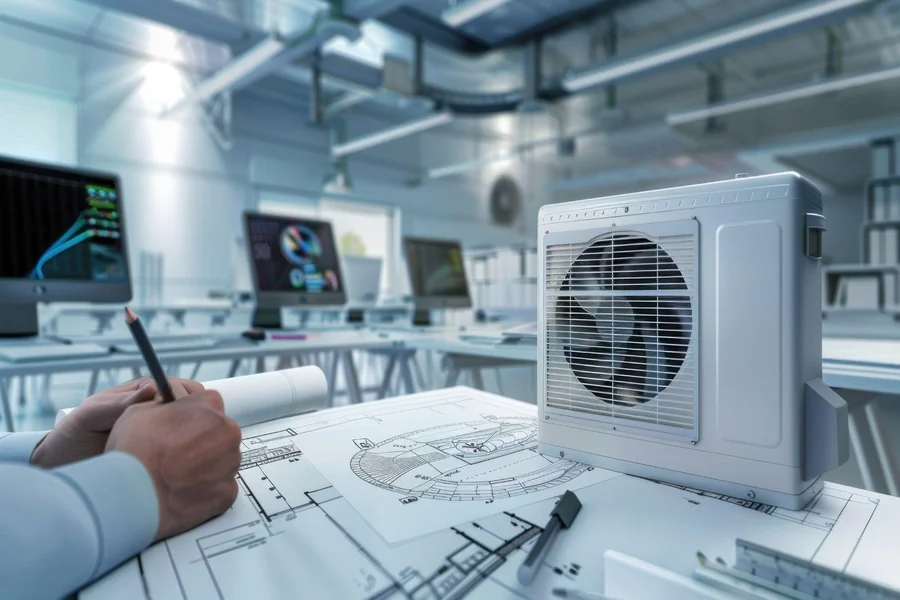
A home should be a sanctuary, not a series of temperature-controlled compromises. The marriage between mechanical engineering and interior design is a delicate one. If you ignore the HVAC until the drywall is up, you’ve already lost. It’s worth noting that the most beautiful home in the world is still a miserable place to live if you can’t get a decent night’s sleep because of the heat or the noise.