
Road Trip Ready: The Essential Tech Every Modern Driver Should Consider

There’s something timeless about a road trip. The open highway, changing landscapes, spontaneous detours, and the freedom to move at your own pace make driving one of the most enduring forms of travel. Yet while the spirit of the road trip hasn’t changed, the technology that supports it certainly has.
Today’s drivers have access to a sophisticated ecosystem of tools designed to enhance safety, awareness, comfort, and efficiency. Preparing for a long-distance journey now goes far beyond packing snacks and creating a playlist. It involves equipping your vehicle with smart technology that helps you navigate unfamiliar roads with confidence.
Here’s a closer look at the essential tech every modern driver should consider before hitting the highway.
Advanced Navigation and Real-Time Traffic Intelligence
Paper maps and static GPS units have largely been replaced by dynamic, cloud-connected navigation systems. Modern apps provide real-time traffic data, accident reports, construction updates, and estimated arrival times that adjust automatically based on conditions.
For road trips that span multiple states or rural areas, offline map downloads are especially useful. Cellular service can become inconsistent in remote regions, and having preloaded routes ensures uninterrupted guidance.
Many drivers also integrate navigation displays directly into infotainment systems, reducing the need to glance at smartphones. The goal is simple: keep eyes on the road while staying informed.
Radar Detection for Situational Awareness
Long highway stretches often involve changing speed limits, unfamiliar enforcement zones, and varying traffic conditions. Maintaining consistent awareness is critical, especially when driving through states with different monitoring practices.
This is where advanced radar detection technology continues to play a role in defensive driving strategies. Brands like Escort have developed radar detector systems that combine signal detection with GPS filtering and real-time updates. Modern units are designed to reduce false alerts while providing early notifications of monitored areas.
When used responsibly, radar detection devices function as awareness tools. They encourage drivers to monitor speed, remain attentive in enforcement-heavy zones, and avoid abrupt braking, a behavior that can itself increase accident risk.
Technology alone does not replace good judgment, but it can reinforce it.
Clean Power Integration Matters
Installing driving technology properly is just as important as selecting the right device. Loose wiring, cluttered dashboards, and unstable connections can create distractions, the opposite of what safety technology is meant to achieve.
High-quality radar detector cords ensure reliable power delivery while keeping installations tidy and secure. Durable radar detector cords are designed to handle temperature changes, vehicle vibration, and extended use without fraying or disconnecting.
For drivers who prioritize a clean interior setup, hardwiring options and well-designed power accessories make a noticeable difference. A streamlined dashboard helps maintain focus where it belongs: on the road ahead.
Dashcams and Incident Documentation
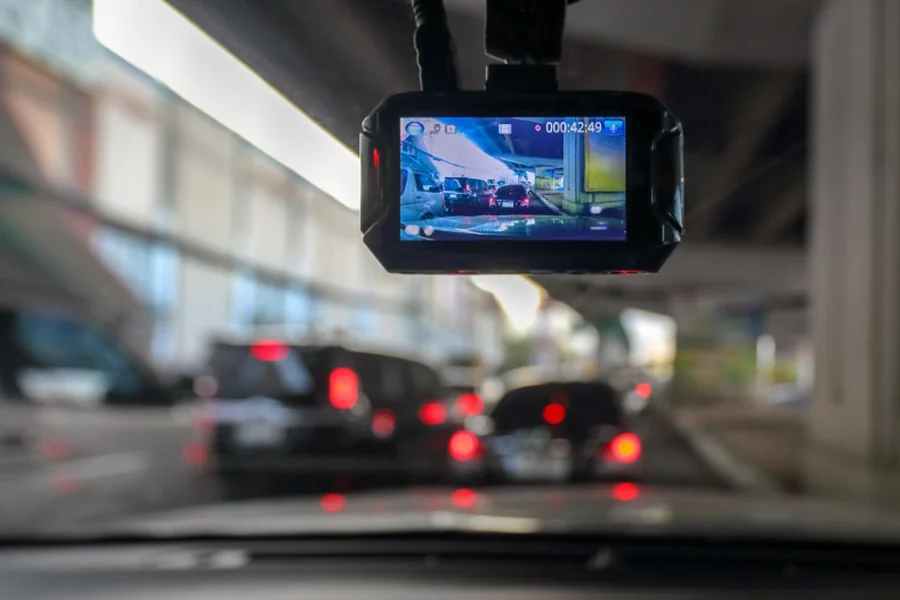
Dashcams have become a near-essential addition for frequent travelers. In the event of an accident or insurance dispute, video footage can provide valuable documentation.
Modern dashcams offer high-resolution recording, wide-angle lenses, night vision capability, and automatic incident detection. Some even upload footage to cloud storage, ensuring data is preserved even if the device is damaged.
For road trips that cover unfamiliar terrain or dense traffic corridors, the added layer of accountability offers peace of mind.
Tire Pressure Monitoring and Vehicle Diagnostics
Mechanical readiness is foundational to any successful road trip. While many vehicles include built-in tire pressure monitoring systems (TPMS), portable diagnostic tools allow drivers to go further.
OBD-II scanners connect to a vehicle’s onboard system to identify potential issues before they become major problems. Real-time engine performance data can help drivers address warning signs early, potentially preventing breakdowns in remote areas.
Maintaining proper tire pressure alone improves fuel efficiency, handling, and braking performance, all critical for highway safety.
Portable Power and Charging Solutions
A road trip in 2026 typically involves multiple devices: smartphones, tablets, cameras, laptops, portable coolers, and more. Keeping everything charged requires planning.
Multi-port USB hubs, fast-charging adapters, and portable power banks prevent battery anxiety. Some drivers even install inverter systems to power larger devices.
Reliable charging solutions ensure that navigation apps, communication tools, and emergency contact capabilities remain operational throughout the journey.
Driver Assistance and Fatigue Monitoring
Modern vehicles increasingly include advanced driver assistance systems such as adaptive cruise control, lane-keeping assist, and collision warning alerts. These systems reduce workload during long drives and help mitigate fatigue-related risks.
However, they are aids, not replacements, for attentive driving. Road trips often involve extended hours behind the wheel, making rest breaks essential. Technology can support endurance, but it cannot replace human alertness.
Planning scheduled stops every few hours improves concentration and reduces reaction-time decline.
Emergency Preparedness Tech
Even well-planned road trips can encounter unexpected situations. A digital emergency kit should complement physical supplies.
Portable jump starters eliminate the need to rely on another vehicle for a boost. Compact air compressors can address minor tire issues. Satellite communicators offer backup connectivity in areas with no cellular coverage.
These tools add resilience without taking up significant space in the trunk.
Smart Travel Planning Tools
Beyond hardware, software plays a growing role in road trip optimization. Fuel price comparison apps help drivers find cost-effective refueling stops. Campground reservation platforms simplify last-minute bookings. Weather-tracking apps provide advance notice of storms or hazardous driving conditions.
Collectively, these tools transform road travel from reactive to proactive.
Balancing Innovation with Responsibility
Technology enhances awareness, but safe driving remains rooted in discipline and decision-making. Radar detection devices, navigation alerts, and driver assistance systems work best when paired with steady speeds, safe following distances, and focused attention.
Before crossing state lines, drivers should familiarize themselves with local laws regarding radar detector use and other in-vehicle devices. Compliance ensures that smart travel remains both safe and lawful.
Road trips are about freedom, but freedom functions best within boundaries designed to protect everyone on the highway.
The Modern Road Trip Mindset
Preparing for a road trip today means thinking beyond destinations. It means equipping your vehicle with tools that support clarity, stability, and responsiveness. From real-time navigation systems to advanced detection technology and clean power setups, each element contributes to a smoother experience.
Brands like Escort continue to refine radar detection technology to align with modern driving expectations. Complementary accessories, such as durable radar detector cords, ensure that installations remain secure and distraction-free.
The ultimate goal isn’t speed, it’s confidence. When drivers feel prepared, informed, and organized, the journey becomes more enjoyable.
The open road still calls. But in 2026, answering that call means combining timeless adventure with thoughtful technology, ensuring every mile is as safe as it is memorable.