
Beyond Mascara: The Growing Demand for Lash-First Beauty Routines

For decades, mascara was the default solution for enhancing eyelashes. It was fast, accessible, and universally recognized. But the modern beauty consumer is moving beyond surface-level enhancement. Instead of asking how to make lashes look fuller for a single day, many are asking how to strengthen and improve them long term.
This shift reflects a broader transformation in the beauty industry. Consumers are no longer satisfied with temporary cosmetic effects alone. They are prioritizing maintenance, health, and sustainable routines. The rise of lash-first beauty is a direct response to that change.
The Influence of Visual Culture
Social media, high-definition photography, and video-first platforms have elevated the role of the eyes in personal presentation. Close-up content leaves little room for heavy, clumpy mascara or brittle lashes damaged by repeated extensions.
As lash extensions, lifts, and adhesives became mainstream, so did the side effects, thinning, breakage, and fragility. Consumers began noticing the long-term impact of repeated enhancement without adequate care.
The solution wasn’t simply better mascara. It was a new category: lash health.
From Enhancement to Restoration
The concept of a “lash-first” routine prioritizes conditioning and growth before cosmetic layering. Instead of masking weakness, consumers are focusing on restoring natural density and resilience.
Lash serums, nourishing conditioners, and strengthening formulas have become staples in evening skincare regimens. Much like applying a night cream or hair treatment, lash care is now viewed as maintenance rather than embellishment.
Brands such as Envolash have positioned themselves within this evolving category by concentrating specifically on lash enhancement and conditioning rather than broader cosmetic portfolios. This targeted focus appeals to consumers who want solutions designed for one clear purpose.
Specialization signals expertise, a valuable trait in a saturated beauty market.
The Rise of Ingredient Awareness
Today’s beauty consumers read labels. They compare ingredient lists, research active components, and examine timelines for results. The literacy that transformed skincare has expanded into adjacent categories, including lash care.
Instead of vague marketing language, customers expect transparency about formulation and safety. They want to understand how ingredients function and how long consistent application should take to produce visible improvement.
This awareness has reshaped purchasing decisions. Brands that clearly communicate application guidelines and realistic expectations tend to build stronger loyalty than those relying on exaggerated promises.
Beauty as Long-Term Investment
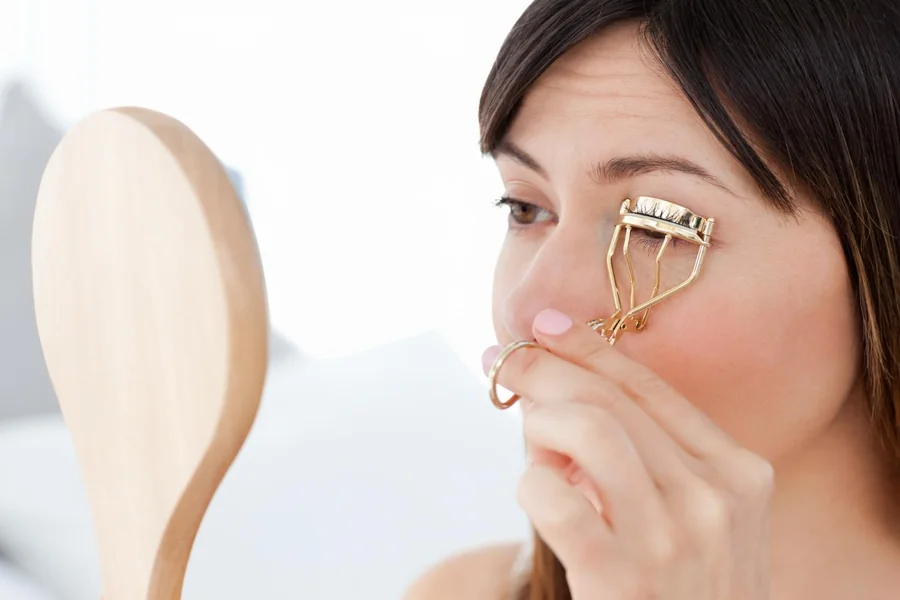
The lash-first trend also reflects a psychological shift in how beauty products are perceived. Consumers increasingly treat personal care as an investment rather than an impulse purchase.
Unlike mascara, which delivers instant results but must be removed nightly, lash serums operate gradually. Results appear over weeks of disciplined use. That time horizon encourages consistency and patience.
This mindset mirrors the broader evolution of skincare. Just as someone incorporates an anti aging face serum into their nightly routine to support collagen production and long-term skin resilience, lash care becomes part of a preventative strategy rather than a cosmetic quick fix. The emphasis moves from concealment to conditioning.
Consumers are committing to regimens designed to compound over time, whether that means strengthening lashes, improving skin texture, or preserving elasticity. Lash care naturally integrates into that framework because it rewards routine and discourages short-term thinking.
Instead of asking how to look better today, the question becomes how to look better sustainably.
Direct-to-Consumer and Digital Trust
The growth of lash-first routines has been amplified by direct-to-consumer brands and digital education. Online platforms allow companies to explain their formulations, demonstrate application techniques, and share customer testimonials.
User-generated content plays a significant role. Before-and-after comparisons, routine breakdowns, and detailed reviews provide social proof that traditional advertising often cannot replicate.
For niche brands, digital channels offer clarity. Messaging remains focused. Customers know exactly what the product is designed to do.
In a market crowded with general cosmetics brands, clarity becomes a competitive advantage.
The Micro-Niche Advantage
Beauty industry growth increasingly favors micro-niche players. Rather than launching expansive product lines, successful brands concentrate on refining a single category.
Lash care exemplifies this trend. By narrowing their focus, brands can invest in research, packaging optimization, and customer education specific to one need. This precision reduces dilution and enhances brand identity.
Consumers respond positively to specialization. A brand devoted entirely to lash enhancement often appears more credible than a conglomerate offering one serum among dozens of unrelated items.
The shift toward lash-first routines underscores how precision outperforms breadth.
Regulatory and Safety Considerations
As the lash serum market grows, regulatory scrutiny and safety transparency remain essential. Consumers are increasingly cautious about products applied near the eyes. Clear labeling, ingredient disclosure, and responsible marketing claims are vital for long-term credibility.
Brands that prioritize compliance and realistic messaging strengthen trust. In categories involving gradual results, patience and transparency are more sustainable strategies than dramatic claims.
The beauty industry’s maturation depends on this balance.
A Broader Industry Perspective
According to analysis from McKinsey & Company, specialized beauty brands are capturing disproportionate growth compared to mass-market players, particularly in categories tied to targeted solutions. Consumers are demonstrating a willingness to pay for products that address specific concerns with clarity and focus.
The rise of lash-first routines aligns with this pattern. Precision and transparency drive modern purchasing decisions.
Mascara is not disappearing. It remains a staple in cosmetic bags worldwide. But its role is changing. Increasingly, it complements a healthy lash base rather than compensates for weak or damaged lashes.
The growing demand for lash-first beauty routines reflects a broader cultural shift toward maintenance, intention, and informed purchasing. Consumers want solutions that improve natural features rather than simply conceal imperfections.
In a market where attention is fragmented and trends move quickly, focus creates stability. Lash care may be a narrow category, but its growth illustrates a larger principle shaping modern commerce: when brands address a specific need with precision and transparency, they build trust, and trust sustains demand.
Beyond mascara lies a more disciplined, long-term approach to beauty. And for many consumers, that approach is here to stay.