
How Technology Is Making It Easier to Verify Identities
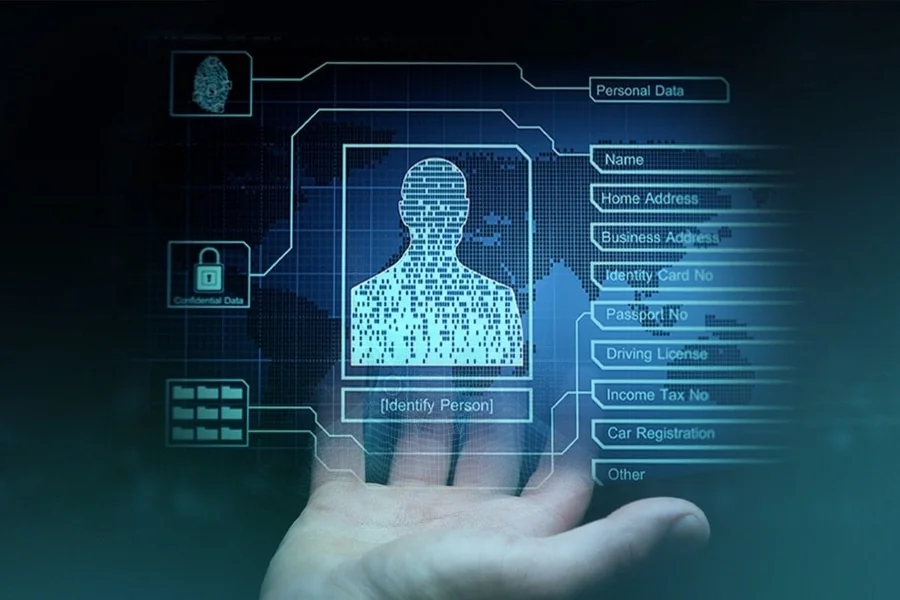
In the digital age, verifying someone’s identity has become both more important and more complex. Whether it’s for online transactions, hiring new employees, or reconnecting with old friends, being able to confirm that someone is who they claim to be is critical. Traditionally, identity verification involved manual checks—paperwork, phone calls, or in-person meetings—which were often time-consuming and prone to error. Today, however, technology has transformed the way we approach identity verification. With digital tools, databases, and smart algorithms, verifying identities is faster, more accurate, and accessible to individuals and businesses alike. From simple name searches to sophisticated biometric systems, technology is helping people feel more confident about who they’re interacting with online and offline.
The Rise of Digital Identity Verification
Digital identity verification has exploded in popularity over the last decade, driven by the growth of online commerce, remote work, and social networking. Businesses now need to ensure that their customers, clients, and employees are legitimate, while individuals often want to know who they are interacting with before making commitments. Online verification tools can confirm names, addresses, phone numbers, and even criminal records in seconds—something that used to take days or weeks.
Platforms offering these services leverage vast public databases, government records, and proprietary data sources to cross-check information efficiently. Many also use AI to flag inconsistencies or detect fraudulent patterns. For instance, when opening a bank account or signing up for a subscription, automated systems can instantly verify a user’s information, drastically reducing the risk of fraud. This shift not only increases security but also saves time and money for both businesses and consumers.
Technology has made these processes accessible not just to corporations but to everyday individuals as well. Today, anyone can verify basic identity information with a few clicks using online tools, making it easier to stay safe while connecting, trading, or collaborating in the digital world.
How Reverse Name Lookup Simplifies Verification
One of the most practical tools in modern identity verification is the reverse name lookup. Unlike a standard search where you start with a phone number, email, or address, a reverse name lookup allows you to start with a person’s name and uncover relevant details associated with it. This might include addresses, phone numbers, social media profiles, or public records.
Reverse name lookup tools have become increasingly sophisticated, integrating AI and large datasets to provide accurate, comprehensive results. This makes it an invaluable tool for anyone trying to verify identities safely. For example, if you’re hiring a remote employee, a reverse name lookup can help confirm their background and contact information. Similarly, individuals can reconnect with old friends or confirm the identity of someone they met online before sharing personal information.
The convenience of reverse name lookup cannot be overstated. Instead of manually piecing together information from multiple sources, users can rely on a single platform that consolidates data efficiently. This technological advancement has transformed identity verification from a cumbersome task into a fast, reliable, and accessible process, empowering people to make informed decisions in both personal and professional contexts.
Biometric Verification: Beyond Names
While name-based searches are practical for many situations, technology has also introduced biometric verification as the next frontier in identity confirmation. Biometrics involves using unique physical or behavioral traits—such as fingerprints, facial recognition, iris scans, or voice patterns—to verify identity.
Biometric verification is widely used in mobile devices, banking apps, and security systems. For example, unlocking a smartphone with a fingerprint or Face ID not only provides convenience but also ensures that the device is secure from unauthorized users. Similarly, financial institutions use biometric data to verify transactions, reducing the risk of fraud and identity theft. The accuracy of biometric systems is continually improving thanks to AI, which can detect subtle differences and recognize patterns even in challenging conditions.
Incorporating biometrics alongside tools like reverse name lookup creates a multi-layered verification system. While a name search can provide background information and contact details, biometrics can authenticate the actual person in real-time. This combination is particularly valuable for high-stakes scenarios such as banking, government services, and corporate security, where trust and accuracy are paramount.
AI and Machine Learning in Identity Verification
Artificial intelligence (AI) and machine learning have revolutionized identity verification by automating processes and increasing accuracy. In addition, techniques like social media screening provide valuable context by analyzing a person’s online presence to support more informed identity assessments. AI systems can analyze massive datasets, detect anomalies, and flag suspicious behavior within seconds—something that would be nearly impossible manually.
For example, AI can compare documents against known templates, verify the authenticity of IDs, and cross-check multiple public databases to confirm a person’s identity. Machine learning algorithms can also adapt over time, improving detection of fraudulent information as new patterns emerge. This not only speeds up verification but also reduces human error, which is often a major source of vulnerability in identity management systems.
The integration of AI with reverse name lookup tools is particularly powerful. AI can help prioritize the most relevant records, clean outdated information, and even suggest potential matches based on context and probability. For businesses, this means faster hiring, safer transactions, and fewer fraudulent attempts. For individuals, it ensures peace of mind when interacting with unknown parties online.
The Role of Mobile and Cloud Technology
Mobile and cloud technology has made identity verification more accessible than ever. Today, people can verify identities from anywhere using smartphones or tablets, without the need for specialized hardware. Cloud-based platforms store and process data securely, allowing users to access verification tools in real-time while ensuring privacy and compliance with data protection laws.
For instance, an employer conducting a background check no longer needs to request paper records or make phone calls. Cloud-based verification tools allow them to enter a name and instantly receive comprehensive information, complete with verified addresses, phone numbers, and public records. Similarly, individuals can use these platforms to confirm the identity of someone they meet online, making digital interactions safer and more trustworthy.
Mobile and cloud technologies also enable seamless integration with other digital services, such as payment platforms, social networks, and HR systems. This interconnected ecosystem simplifies identity verification and reduces friction in everyday transactions.
Security and Privacy Considerations
While technology has made identity verification easier, it also raises important questions about security and privacy. Collecting, storing, and sharing personal information must be done responsibly to prevent misuse or breaches. Reliable verification platforms implement encryption, secure authentication, and strict compliance with privacy regulations like GDPR or CCPA.
When using tools such as reverse name lookup or biometric systems, users should choose reputable providers and understand how their data will be used. Transparency, consent, and secure storage are critical to maintaining trust while leveraging technology for identity verification.
Future Trends in Identity Verification
The future of identity verification is leaning heavily toward integration, speed, and accuracy. Technologies like AI, biometrics, and blockchain will continue to evolve, providing seamless, secure, and nearly instant verification. AI-powered predictive models may anticipate fraud risks, while decentralized identity systems could give users full control over their personal data.
We can also expect mobile-first solutions to become the norm, allowing individuals to verify identities from anywhere in real-time. Combined with tools like reverse name lookup, these innovations will make it easier than ever to confirm who we’re interacting with, whether for professional or personal purposes.
Conclusion
Technology has transformed identity verification from a slow, manual process into a fast, reliable, and accessible system. Tools like reverse name lookup allow individuals and businesses to gather comprehensive information quickly, while biometrics and AI provide accuracy and security. Mobile and cloud solutions make these tools convenient and accessible, and privacy-focused practices ensure safety in a digital-first world.
By embracing modern verification technologies, people can interact online and offline with confidence, protect themselves from fraud, and make informed decisions in both professional and personal contexts. The combination of convenience, accuracy, and security is reshaping the way we understand identity in the 21st century.