
The Thrill of a Last-Card Comeback in Tongits
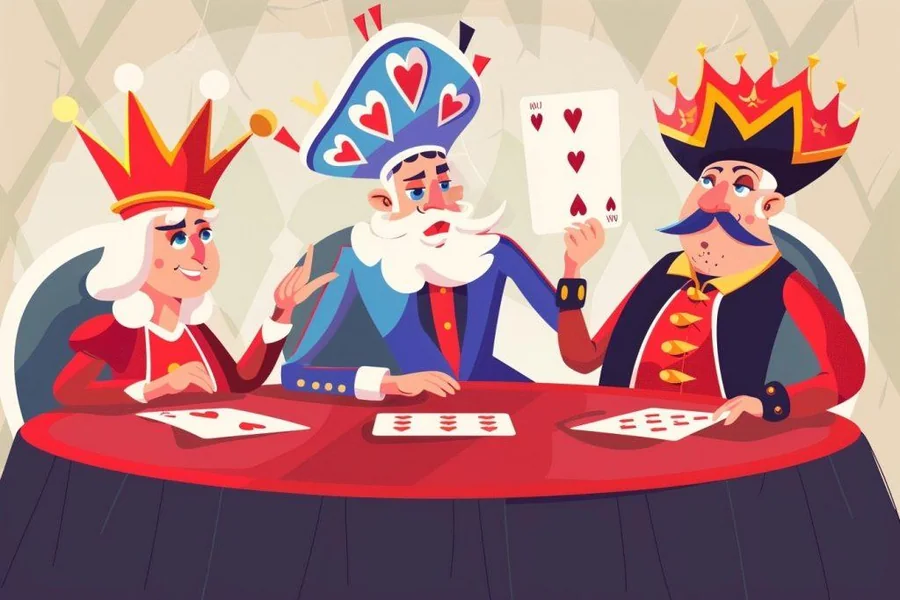
Tongits card game creates moments of pure drama. You’re behind. Opponents lead comfortably. Then suddenly everything shifts.
One good draw. One smart play. Victory snatched from the jaws of defeat. That’s the thrill of a last-card comeback.
How a Last-Card Comeback Works in Tongits
Comebacks happen because tongits card game rewards both luck and strategy in the final moments.
The Setup: You’re holding several cards while opponents are down to two or three. The situation looks hopeless. Most players would give up mentally.
But Tongits isn’t over until someone actually wins. Those final draws can completely change the game.
The Mechanics: Draw the exact card needed to complete multiple combinations. Suddenly, your hand transforms from scattered cards into winning patterns.
Lay out all combinations at once. Go out in a single explosive turn. Opponents sit stunned, watching their lead evaporate.
Tongits allows this drama because the game doesn’t penalize being behind. You can win from any position if the right cards appear and you play them correctly.
The excitement comes from the possibility. Until the final card gets played, anyone can win. This keeps every game engaging regardless of current standing.
The Psychological Factor: Bluffing Your Way to Victory
Card game psychology matters enormously in comeback situations.
Creating Doubt: Your discards tell a story. Discard high cards carelessly, and opponents think you’re struggling. They relax. Lower their guard.
Meanwhile, you’re actually close to going out. The misdirection works because they stopped paying attention to your real strategy.
Confidence vs Desperation: Act defeated when behind. Sigh at bad draws. React negatively to opponent plays. Sell the story that you’ve given up.
Then strike suddenly with a winning combination. The psychological whiplash makes victories even more satisfying.
Tongits rewards players who can manage their emotional tells. Online platforms like Tongits Hub make this harder since opponents can’t see faces, but chat reactions and timing still convey information.
The Role of Risk vs Reward in a Last-Card Comeback
Bold moves create comeback opportunities.
High-Risk Holds: Keep high cards hoping to complete specific combinations. Risky because if someone else wins first, those high cards murder your score.
But if the gamble pays off and you complete the combination? Instant victory despite the risk.
Timing Your Move: Go out too early with incomplete combinations and you might not actually win. Wait too long, and someone beats you to it.
Card game mastery involves reading the table. Are opponents close? Then push aggressively. Do you have breathing room? Then wait for better cards.
Tongits hub players who consistently pull off comebacks understand this risk-reward balance instinctively. They know when to hold and when to fold based on the game state.
Calculated Risks:
- Holding one high card for a crucial combination
- Waiting one more turn for perfect cards
- Challenging opponents at risky moments
- Going out with minimal combinations to prevent others from winning
Managing Your Hand and Timing in the Final Moments
Endgame hand management separates winners from almost-winners.
Card Priority: Know which cards you absolutely need. Track what’s been discarded. Calculate the probability of drawing the needed cards.
Dump useless cards immediately. Every card in your hand should serve a purpose or be on its way out.
Turn Timing: Sometimes waiting one extra turn makes the difference. The draw pile has three cards left. You need one specific card. Do you risk waiting or going out now with what you have?
Tongits card game veterans make these split-second decisions based on experience and probability calculations.
Reading the Table: How many cards do opponents hold? What did they recently pick up? Are they close to winning?
This information determines whether you play safely or aggressively. Comebacks require aggressive plays at exactly the right moments.
The Rush of Victory: Why a Last-Card Comeback Feels So Rewarding
Winning from behind creates unique satisfaction.
The Emotional Arc: Start hopeless. Slowly build possibility. See the opening. Execute perfectly. Sudden victory. That emotional journey makes the win memorable.
Easy victories feel hollow. Hard-fought comebacks from impossible positions? Those stick with you.
Proving Something: Comebacks prove you didn’t give up. Prove you saw opportunities others missed. Prove your skill matters even when luck seems against you.
Tongits card game on platforms like Tongits hub makes these moments shareable. Screenshot the victory. Share with friends. Relive the comeback.
Building Confidence: Pull off one comeback and you believe in the next one. Confidence builds. You start seeing comeback opportunities earlier. Playing more boldly when behind.
This psychological edge makes you a more dangerous opponent overall.
Conclusion
Tongits creates perfect conditions for dramatic comebacks. The game stays competitive until the final card. Bold plays can reverse any deficit. Smart timing transforms losing positions into sudden victories.
The thrill of a last-card comeback makes every tongits card game exciting. You’re never truly out until someone actually wins. That possibility keeps players engaged, makes losses less frustrating, and makes victories more satisfying.
Whether playing casually or competing seriously on tongits hub, the potential for dramatic reversals adds a layer of excitement that keeps players coming back for more.