
How does Fabric Technology Impact Performance in Men’s Swim Trunks?
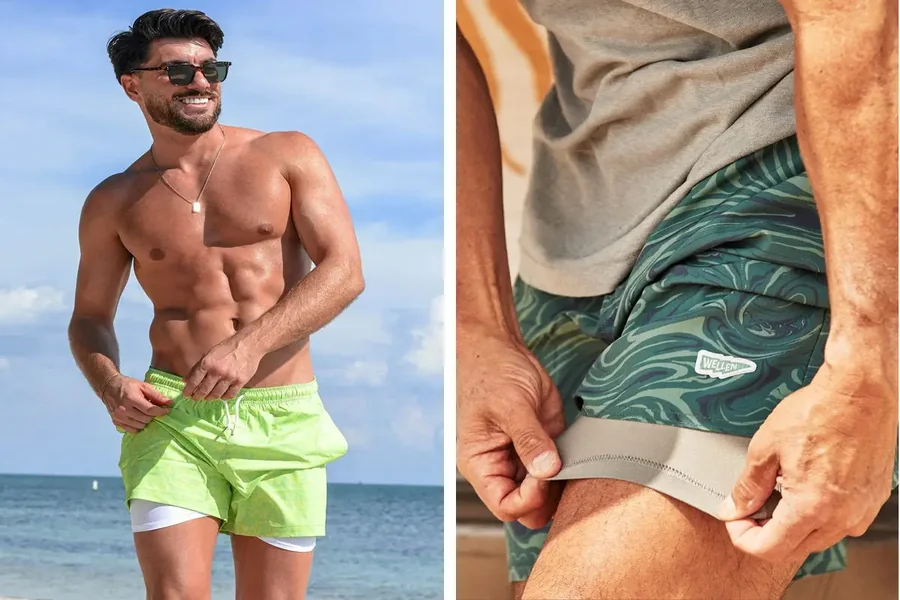
Men’s swim trunks may look simple at first glance, but fabric technology plays a major role in their performance in and out of the water. The material affects drying speed, range of motion, weight, durability, and even how comfortable the trunks feel after hours of wear. Modern swimwear fabrics are designed to do more than resist water. They are built to handle sun exposure, salt, chlorine, abrasion, and constant movement without becoming heavy or restrictive. That makes fabric choice one of the most important factors in whether swim trunks feel practical for swimming, lounging, travel, or active beach use throughout the day.
Performance Starts in the Fabric
Quick-Dry Construction Supports Everyday Comfort
One of the most noticeable ways fabric technology affects swim trunk performance is through moisture management. Traditional materials often stayed wet for too long, leaving the wearer uncomfortable after getting out of the water. Modern synthetic blends are engineered to shed water faster and reduce the amount of moisture that remains trapped in the fibers. This matters because heavy, soaked fabric can pull at the waistband, cling awkwardly to the legs, and make walking or sitting feel less comfortable. Faster drying also changes how useful the trunks are outside the water. A pair that dries quickly works better for travel, poolside dining, beach walks, or moving between different parts of a resort or city without needing a full wardrobe change. The weave structure also matters. Tighter but lightweight weaves can reduce water absorption while still allowing airflow, helping the trunks transition more easily from wet to dry conditions. This is one reason modern swim trunks are often used as all-day garments rather than clothing reserved only for swimming. The fabric is doing more than covering the body. It helps the trunks recover quickly after immersion, so they remain wearable, lighter, and more comfortable over time.
Stretch and Recovery Improve Movement
Fabric technology also shapes performance through stretch, flexibility, and recovery. Swim trunks need to move naturally during swimming, running, sitting, bending, and getting in and out of the water without pulling uncomfortably across the hips or thighs. Older, stiffer fabrics often limited mobility, especially when wet, making the trunks feel rigid at the exact moment the body needed freedom of motion. Newer materials often include mechanical stretch or elastic fiber blends that allow the garment to respond more naturally to movement. This not only makes the trunks feel softer. It improves their performance in practical situations, from swimming laps to playing beach sports to simply walking for long periods in warm weather. Fabric recovery matters just as much as stretch, because a trunk that expands too easily without returning to its shape can sag, wrinkle, or lose structure with repeated wear. Shoppers browsing https://livekolibri.com/collections/trunks may focus on color or cut, but fabric recovery is often what determines whether the trunks continue to look clean and feel supportive after repeated use. Performance depends not just on how far the material moves but also on how well it returns to its form once that movement ends.
Durability Depends on Fiber Engineering
Another major performance factor is durability, especially in environments where swim trunks are exposed to sun, chlorine, saltwater, sand, and repeated washing. Fabric technology influences whether the trunks can maintain shape, color, and surface quality under those conditions. Some materials weaken quickly after repeated pool use, while others are designed to hold up better against chemical exposure and UV stress. Fiber engineering matters because the garment must withstand multiple types of wear at once. It is not only being soaked and dried. It is also rubbing against chairs, towels, decks, and the body itself. If the material pills easily, loses color rapidly, or becomes rough after washing, the trunks may still function technically but feel less refined and less comfortable over time. Durable swim fabrics are usually developed to balance light weight with resistance to breakdown, which is not always easy to achieve. Trunks that last longer tend to feel more consistent in fit and appearance, which improves their practical value. Performance is not only about how the trunks feel on the first day. It is also about how well the fabric continues to function after many uses in demanding conditions.
Better Fabric Creates Better Swimwear
Fabric technology has changed swim trunks by making them dry faster, move in more easily, be more durable, and be more comfortable across a wider range of settings. These improvements affect how the trunks perform not only in the water but also throughout the rest of the day, when wearability matters just as much as swimming function. Quick-dry fibers reduce discomfort, stretch technology supports movement, stronger material extends lifespan, and softer finishes make long-term wear more practical. Taken together, these details show that swim trunk performance begins with fabric choice. The material determines whether the garment feels like a limitation or an advantage once it’s put to real use.