
Themed Adventures: How Vibrant Worlds Keep Players Coming Back
Player retention is one of the toughest challenges in gaming. Audiences cycle through titles quickly, and only a select few manage to draw them back time and again. The key isn’t constant innovation, it’s creating a world that *feels* worth returning to.
Themed adventures achieve this by transforming design elements into habits and atmosphere into lasting momentum. When visuals, audio, and story all move in harmony, players find a space that feels both familiar and ever-evolving. Here’s how developers craft these enduring worlds.
World-Building as a Core Design Strategy
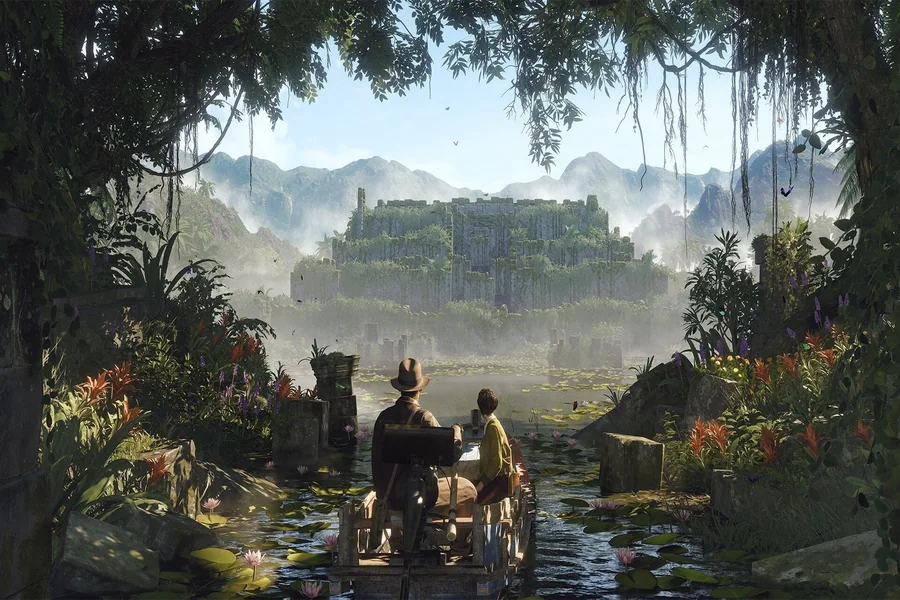
Every strong-themed adventure begins with world-building that does real work. The setting isn’t just background art, but also an interactive layer that actively shapes decisions in the moment. Take a jungle map, for instance. It’s more than green textures and ambient sound, but a living network of cues that influence movement, pacing, and risk. Through tone, lighting, and transitions, players are subtly guided in how they read the space and ultimately, how they decide what comes next.
The same logic applies in genres built around exploration and progression. Action RPGs use map design and ambient sound to guide player flow without forcing direction, while open-world sandboxes rely on landmarks and lighting to make discovery intuitive. The same principles drive themed casino titles like World of Wonka, where color, animation, and rhythm turn familiar story settings into interactive spaces that keep players engaged from one session to the next. When a world feels connected, it sets the rhythm of play.
Consistent detail also helps players slip back in and act as if they belong there, which is the point. Visual style becomes behavioral influence, and feedback loops feel natural rather than scripted. World-building becomes the bridge between art and engagement, keeping players around because the space keeps inviting another visit.
Narrative Layers and Player Motivation
A themed adventure isn’t complete without a narrative thread that moves with it. The best titles layer their stories to match the player’s pace. Each quest or level builds context for the next, creating forward motion without overwhelming exposition. The world evolves subtly with new weather patterns, new character voices, and shifting map layouts, so players sense that time is passing in the game just as it does outside.
This structure creates momentum. A strong narrative doesn’t just explain the theme. It reinforces it. When every visual, sound, and mechanic aligns with the story, the result feels effortless. Players aren’t just completing objectives. They’re living inside a sequence that rewards curiosity. It’s why people replay games with the same theme. They notice something new each time, proving that story cohesion is a form of replay value on its own.
Evolving Themes and Seasonal Refreshes
Themed worlds thrive because they never stand still. Developers learned that static environments lose energy fast, no matter how beautiful they look on day one. Seasonal refreshes, limited events, and new side arcs breathe new life into familiar spaces. Players return not just for novelty, but for the comfort of a world they already know, updated with reasons to re-engage.
Each update also serves as a test of design endurance. The most resilient themes are adaptable, able to absorb new mechanics or seasonal twists without losing their core identity. A fantasy realm, for instance, can easily host a modern festival skin or a crossover map, as long as the additions honor its established tone and lore. That balance between freshness and familiarity defines why players trust certain worlds more than others. They know updates won’t erase what they love, only expand it.
Visual Consistency and Player Recognition
Visual identity matters more than many realize. Themed adventures rely on instantly recognizable aesthetics, like color palettes, sound cues, and motion patterns that signal belonging. A single texture or melody can trigger recognition before a player even loads a menu. That familiarity turns into loyalty.
But consistency doesn’t mean repetition. The best studios build modular design systems that allow creativity inside structure. A space-themed lobby can evolve across releases without losing its atmosphere. Texture depth, lighting direction, and perspective shifts can all change while keeping the same visual DNA. That’s how players recognize their world across platforms, from console to mobile, without a tutorial to remind them where they are.
Over time, visual consistency becomes memory. Players associate the look and sound of a theme with their own gaming habits, such as how they start sessions, which moments stand out, and which strategies work. Every design choice becomes part of that routine. That’s how themed adventures evolve from being “a game they play” to “a world they return to.”
Immersion Through Sound, Movement, and Feedback
Visuals pull players in, but sensory detail keeps them there. Sound design, physics, and responsive cues complete the sense of presence. Footsteps that shift from stone to grass and camera tilts that match the action’s pace make motion feel natural, so attention stays on the action, not the controls.
Modern themed adventures tune audio to the moment. Calm areas use fewer layers, busy zones swell with fuller arrangements, and subtle vibrations reinforce impact. Players may not name these details, yet they return more when the world sounds and feels alive. Remember that memorable worlds are calibrated, not cluttered. Every sight and sound answers the player’s move instead of being on a script. A foggy forest with layered audio, shifting light, and responsive feedback turns observation into participation, and immersion into experience.
Built to Be Revisited
Themed adventures endure because they connect design, storytelling, and sensory detail into one seamless system. Each world feels deliberate, with every texture, sound, and update serving a purpose. When players log back in, they’re returning to a space that feels alive, familiar, and worth revisiting. That balance between consistency and evolution is what transforms themed adventures from single experiences into lasting worlds that players never truly leave behind.