
How UK Businesses Are Using Energy Brokers to Cut Bills in 2026
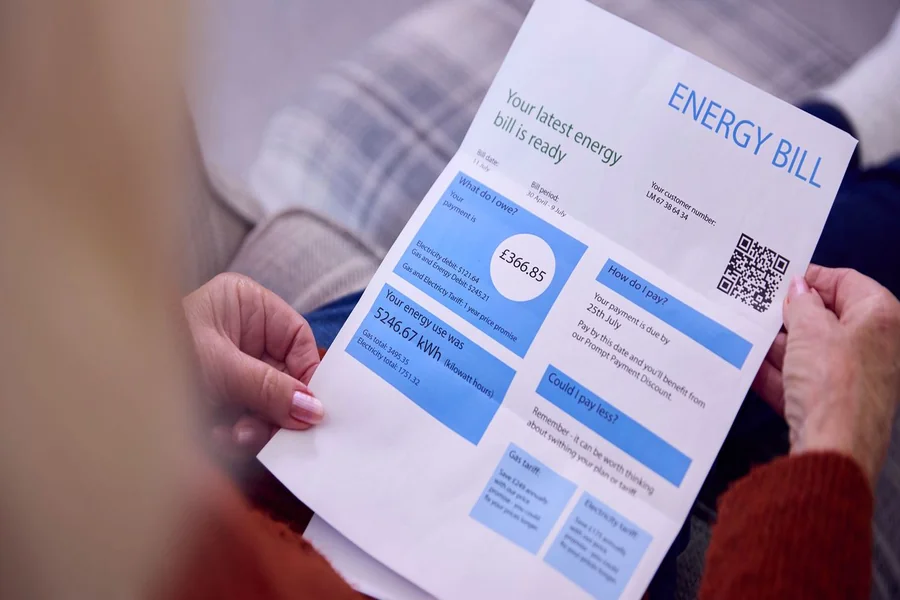
Energy is one of those costs that quietly grew teeth over the last few years. What used to be a predictable line on the profit and loss statement now swings significantly depending on the day a contract was signed, the shape of the tariff, and which non-commodity charges sit underneath the unit rate. UK business owners who used to look at their gas and electricity invoices once a year are now treating them as a procurement category in their own right.
The shift is not just about price. Contract structures have become more varied, with fixed, flexible, pass-through, and basket options. Reporting obligations have expanded under SECR and adjacent frameworks. And the gap between the best and worst available rate for the same site, on the same day, has widened to the point that inertia is genuinely expensive. Sitting on a rolled-over contract from an incumbent supplier can mean overpaying for the full length of the new term, often two or three years.
Why owners turn to brokers and consultants
The market is structurally hard for non-specialists to navigate. There are dozens of licensed suppliers, each with multiple product types, and the deciding factors usually sit in the small print rather than the headline number. That is the gap that business energy brokers and consultants fill. A good broker compares quotes across the wider commercial market, uses established supplier relationships to access deals that are not always visible direct, and handles the switching paperwork so the operations team is not pulled away from running the business. A consultant typically goes a step further, advising on contract structure, renewal timing, and ongoing energy management rather than just the next deal.
This matters most for sectors where energy is a meaningful share of total cost. Care homes, warehousing, hospitality, manufacturing, gyms, and sports clubs all see real margin impact from a sharper rate. Reported savings in the UK market frequently sit in the double digits and can reach up to 45 percent in cases where a site has been on an out-of-contract or deemed rate for some time.
What a good broker engagement actually looks like
A proper review starts with twelve months of half-hourly consumption data, the current contract documentation, and a list of every meter the business operates. From there, the broker should walk through unit rate, standing charge, non-commodity costs, and any sustainability requirements the business needs to hit. Quotes should be presented with broker commission disclosed inside the offer, in line with the latest transparency expectations.
The deliverable is not just a cheaper tariff. It is a contract that matches the way the business uses energy, with a renewal window diarised well in advance so the next cycle is not a scramble contact us.
Practical steps for owners
Gather twelve months of gas and electricity bills for every site, identify each contract end date and notice window, list standing charges and any pass-through items alongside the unit rate, decide whether budget certainty or potential savings matters more for the year ahead, and ask for comparison quotes at least three to six months before the renewal window opens.
Frequently Asked Questions
What is a business energy broker? A specialist who compares quotes from multiple business energy suppliers on behalf of a business, negotiates terms, and handles the switching process.
How is a broker different from a consultant? Brokers typically focus on sourcing the next contract. Consultants usually go further, advising on contract structure, renewal strategy, and ongoing energy management.
Do brokers charge the business directly? Most are paid commission by the supplier when a contract is signed, and that commission is disclosed inside the quote rather than billed separately.
How much can a UK business realistically save? Savings vary by site, sector, and current rate. Businesses on out-of-contract or deemed rates often see the largest reductions, with some cases reaching up to 45 percent.
Can any UK business use a broker? Yes. Any non-domestic gas or electricity customer in the UK can use a broker, although the timing of any switch depends on the notice period in the existing contract.
When should a renewal review start? Ideally three to six months before the contract end date, so there is time to compare the market and avoid rolling onto a default rate.