
Why Rapid Urine Drug Testing Has Quietly Become Standard for Employers and Households in 2026
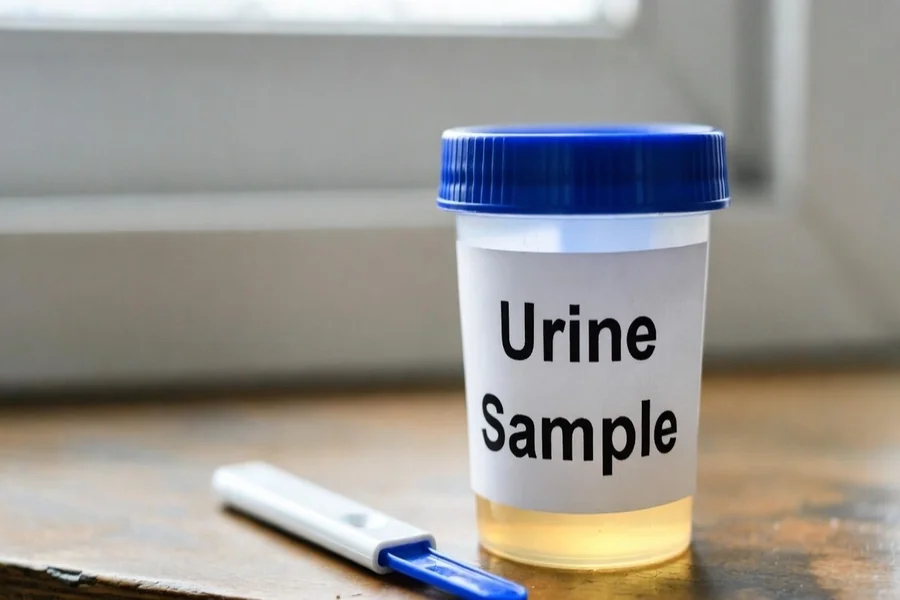
Drug testing used to be a clinical event. A sample was collected, packed off to a laboratory, and the results came back days later. That timeline still exists for confirmation testing, but for the day-to-day screening that happens in HR offices, recovery programmes, sober living homes, and increasingly in private households, the workflow has shifted to something far simpler. The all-in-one drug test cup, also known as an instant urine drug test, now does the first pass of the work in minutes, on the spot.
The reasons for the shift are practical. Modern cups carry CLIA-waived status, which means they can be used outside of a high-complexity lab setting. Many are FDA cleared. Manufacturing has scaled to the point where unit prices for reliable kits often sit between one and three dollars, which puts them within reach of small employers and family budgets rather than just large clinical operators. And the panels themselves have expanded beyond the traditional five drug screen to cover twelve, fourteen, and even up to twenty-eight substances and metabolites in a single cup.
What a modern cup actually does
A typical instant cup is a sealed collection container with integrated test strips inside the wall of the cup. The donor provides the sample directly into the cup, and lateral flow assay strips begin reacting almost immediately. Results are read by lining up control and test lines on each strip, usually within five minutes. There is no transfer of urine between containers, no separate pipetting, and no waiting on a lab.
Good cups also include built-in safeguards that did not exist on older kits. A temperature strip on the side of the cup flags whether the sample is at body temperature, which makes adulteration with cold water or synthetic urine immediately visible. Some cups also screen for adulterants such as oxidants, creatinine, and pH, so the tester knows whether the sample itself has been tampered with before reading any drug result. Options like Drug Test Cups from specialist suppliers cover five to twenty-eight panel configurations, with adulterant strips and temperature checks built into the same single-use cup.
Where rapid screening fits in
Instant cups do not replace laboratory confirmation. They sit in front of it. The cup makes a fast preliminary call. If the preliminary result is negative, in most contexts that is the end of the workflow. If it is non-negative, a confirmation sample is sent to a lab for gas chromatography mass spectrometry or liquid chromatography testing, which provides the definitive answer. This two-step approach is the standard recommended by SAMHSA-aligned testing programmes and is the model most professional employers and recovery programmes follow.
The use cases have expanded alongside the technology. Small business owners running pre-employment or post-incident screening use cups because they get an answer the same day. Sober living homes use them as part of structured accountability for residents. Probation supervision programmes use them for random monitoring. And families dealing with teen or adult substance use issues use them in coordination with a clinician for at-home check-ins.
Choosing a reliable cup
Buyers should look at four things. The panel coverage, meaning which substances the cup detects, and whether that list matches the risk profile being screened. The regulatory status, including CLIA waiver and FDA clearance documentation. The presence of integrated safeguards like temperature strip and adulterant detection. And the supplier’s track record, including how they handle batch consistency, expiration dating, and documentation for chain of custody.
Frequently Asked Questions
How accurate are instant drug test cups? Reliable kits from established manufacturers report accuracy in the range of 99 percent for preliminary screening. Any non-negative result should still be confirmed by a laboratory.
What is the difference between a 5, 12, and 28 panel cup? The number refers to how many drug classes the cup screens for. A 5 panel covers common substances like marijuana, cocaine, opiates, amphetamines, and PCP. A 12 panel adds substances like benzodiazepines, methadone, oxycodone, and barbiturates. A 28 panel adds further synthetic opioids, designer benzodiazepines, fentanyl analogues, and additional metabolites.
How quickly do results show? Most cups produce a readable result within three to five minutes after the sample is collected.
What does a temperature strip on the cup do? It shows whether the collected sample is within the human body temperature range, which is a fast indicator of whether the sample is fresh or has been substituted.
Are these cups legal to use at home? Yes. Instant urine drug test cups can be purchased and used by individuals, employers, treatment programmes, and other authorised parties, subject to local regulations and the use case.
Do non-negative results mean someone definitely used a drug? No. A non-negative preliminary result indicates further testing is required. Confirmation by a certified laboratory is required before any definitive conclusion is drawn.