
How Modern Gaming Trends Are Reshaping Digital Entertainment Culture
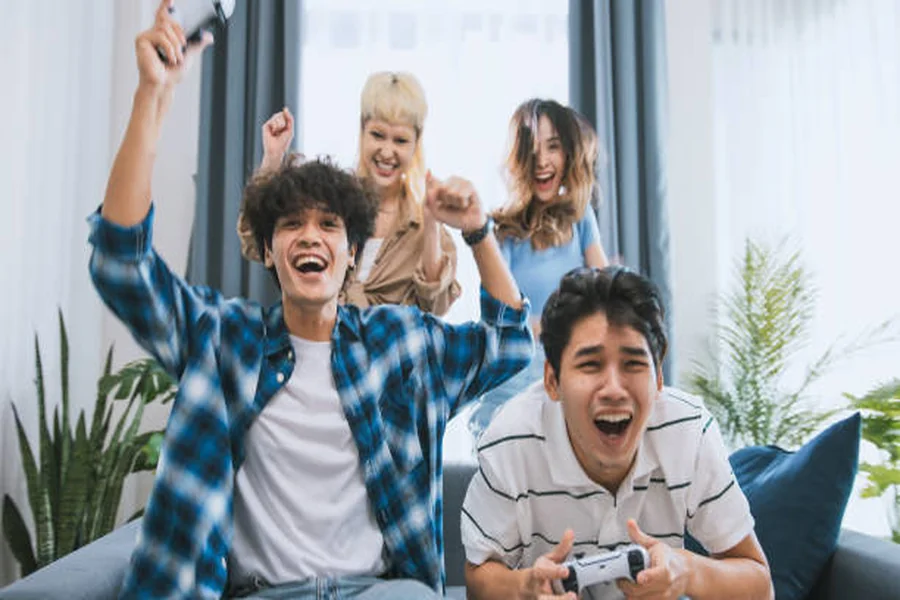
Why does gaming now feel less like a private hobby and more like a major part of daily digital life?
The answer is simple: modern games are no longer only about winning levels, beating opponents, or passing time. They now shape how people watch content, talk with friends, learn new skills, follow creators, build communities, and spend their free time online.
1. Interactive Entertainment
Modern audiences do not want to stay passive all the time. They enjoy entertainment that gives them a role, a choice, or a reason to respond. Gaming has trained people to expect action, feedback, progress, and rewards.
Active Participation
Gaming gives players control. That control can be as simple as choosing a character or as deep as shaping a full story path. This feeling of control has now influenced other forms of entertainment.
Viewers want more than a screen in front of them. They want a role in the moment. They enjoy polls, live chats, reaction features, community challenges, and interactive events because these tools make them feel included.
2. Social Gaming
Gaming has become a strong social activity. Many people now use games to spend time with friends, meet new people, and stay connected across distances. For some users, a gaming session feels like a group hangout rather than a solo activity.
This trend has made social connection a key part of digital entertainment. Instead of entertainment being only about content, it is also about shared emotion, teamwork, and real-time conversation.
Digital Friendships
Modern games often include chat systems, team modes, shared missions, and community spaces. These features help players build friendships through common goals. A group may start by playing together, but over time, they may talk about school, work, hobbies, health, and life.
For digital entertainment, this matters because social connection increases loyalty. When people feel connected to a group, they return more often. They do not come back only for the game; they come back for the people.
3. Creator-Led Gaming Culture
Gaming has also changed how online creators build audiences. Many creators now use games as a base for commentary, humor, tutorials, live reactions, challenges, and community events. This has created a new form of entertainment that blends play with personality.
People are not only watching games; they are watching the person behind the screen. The creator’s voice, choices, humor, and reactions become part of the entertainment.
Personality-Driven Content
A gaming creator can turn a simple match into a memorable story. Their reactions, timing, jokes, and honest mistakes make the content feel human. Viewers enjoy that natural style because it feels less polished and more real.
Gaming content works well because it gives creators constant material. Every match, challenge, update, or mistake can become a new post. As a result, gaming has become one of the most flexible content formats for digital entertainment.
4. Short-Form Gaming Clips
Short videos have made gaming culture even more visible. A funny reaction, smart move, strange bug, or dramatic win can become popular within hours. These short clips are easy to watch, easy to share, and easy to understand.
This trend has helped gaming reach people who may not even play often. Someone might watch a 20-second clip because it is funny, intense, or surprising. Over time, that quick content can pull new audiences into gaming culture.
Fast Entertainment
Short gaming clips fit modern attention habits. People often watch content during breaks, commutes, study pauses, or quiet moments at home. A short clip gives them a quick burst of fun without asking for too much time.
However, short content also changes how games are discussed. Players now look for moments worth sharing. A bold move or funny fail can become more important than the final score.
This has made gaming more performance-based. People do not only play to win; they also play to create moments. That shift has turned games into social content engines.
5. Personal Identity
Modern games allow users to express who they are. Avatars, outfits, usernames, play styles, badges, and custom spaces all give players a way to build a digital identity.
This is a major reason gaming has reshaped entertainment culture. People enjoy content that reflects their taste, mood, and personality. Gaming offers that directly and visually.
Self-Expression
A player’s character may show humor, confidence, creativity, or style. Some users spend time choosing colors, outfits, moves, and items because it helps them feel connected to their digital self.
This idea has moved into other entertainment spaces too. People want profile customization, personalized feeds, custom playlists, digital collectibles, and private community spaces. They want entertainment to feel like it belongs to them.
The emotional side is important. When users can shape how they appear and interact, they feel more invested. That personal connection keeps digital entertainment meaningful.
6. Skill-Based Fun
Gaming is built around improvement. Players learn controls, study patterns, test strategies, and improve through practice. This sense of progress is now influencing other types of digital entertainment.
People enjoy seeing growth. They like moving from beginner to skilled, from confused to confident, and from slow to sharp. Gaming makes that progress visible through levels, ranks, points, challenges, and achievements.
Learning Through Play
Modern audiences respond well to content that teaches through activity. Games show that learning does not need to feel heavy. It can feel natural when tasks are clear, feedback is quick, and goals are reachable.
This is why game-like systems now appear in education, fitness, productivity, and habit-building tools. People like streaks, progress bars, rewards, and small wins because they make effort feel visible.
Even simple focus habits connect with gaming logic. Many players, students, and digital workers use timed sessions to manage energy and avoid burnout. A tool like a pomodoro method timer can support this rhythm by breaking tasks into focused blocks with planned pauses.
Final Thoughts
Modern gaming trends are reshaping digital entertainment culture by making it more interactive, social, creative, and personal. Games have changed how people play, watch, learn, connect, and express themselves online.