
Trends That Stick: Fashion, Food, and Fun with Gen Z
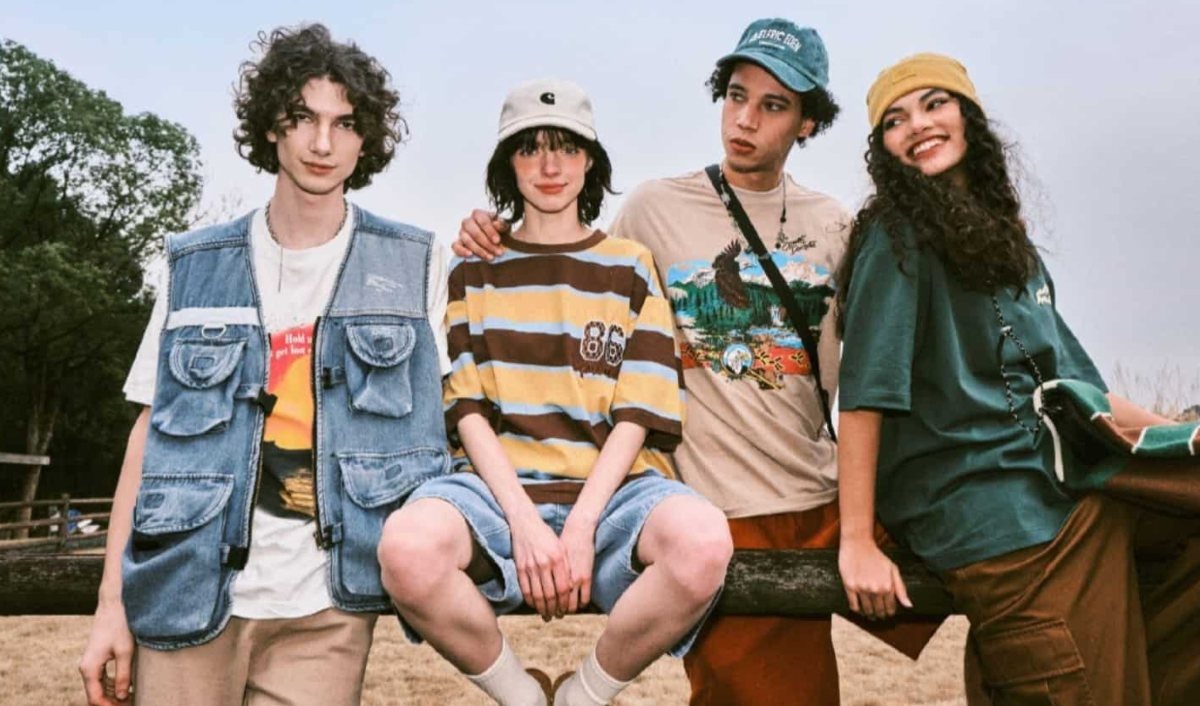
Gen Z, the generation born roughly between 1997 and 2012, is redefining culture with a unique blend of individuality, creativity, and social consciousness. Unlike previous generations, Gen Z has grown up entirely in a digital world, making them hyper-aware of trends, social movements, and global influences. From fashion to food to entertainment, their preferences aren’t just fleeting—they often set the stage for long-lasting cultural shifts. Understanding what resonates with Gen Z is key for brands, creators, and cultural observers looking to tap into trends that truly stick.
Fashion: Identity and Inclusivity at the Forefront
Fashion for Gen Z is more than clothes—it’s a statement. This generation prioritizes authenticity and self-expression over brand loyalty or conformity. A single Instagram or TikTok post can make a vintage thrifted outfit trend globally overnight. Thrifting and sustainable fashion have surged in popularity, driven by environmental awareness and a desire to challenge the fast-fashion model. Platforms like Depop and Poshmark allow Gen Z consumers to buy and sell pre-loved items, making sustainability accessible and stylish.
Streetwear remains a dominant force, with oversized silhouettes, bold graphics, and cross-brand collaborations capturing attention. But there’s also a fascination with nostalgia-driven aesthetics, such as Y2K and ’90s-inspired fashion. Gen Z isn’t afraid to mix high and low fashion, blending luxury sneakers with second-hand denim or pairing vintage tees with statement accessories.
Inclusivity and diversity are central to Gen Z fashion trends. Gender-neutral clothing lines, adaptive fashion for people with disabilities, and campaigns celebrating all body types reflect the values this generation holds dear. It’s not just about looking good; it’s about making a statement that aligns with identity and ethics.
Food: Aesthetic, Ethical, and Experiential
When it comes to food, Gen Z is driving trends that merge aesthetics with ethics. Social media, particularly Instagram and TikTok, has transformed eating into a visual experience. Colorful smoothie bowls, rainbow bagels, and glow-in-the-dark drinks aren’t just Instagrammable—they’re part of a broader trend of food as a form of self-expression. Presentation is key, and the more visually striking the dish, the more likely it is to go viral.
But it’s not all about looks. Gen Z is highly conscious of sustainability and ethics in food choices. Plant-based diets, alternative proteins, and cruelty-free products are increasingly mainstream. Brands like Beyond Meat and Impossible Foods have gained significant traction among this demographic, who often prioritize health, environmental impact, and ethical sourcing over traditional taste or convenience.
Experiential eating is another trend shaping the food scene. Pop-up cafes, themed restaurants, and interactive food experiences offer more than just a meal—they offer a shareable moment. The dining experience is being gamified, often combining immersive decor, unique menus, and participatory activities. This reflects Gen Z’s desire for experiences over possessions and highlights how social media amplifies trends. In cities known for elevated dining scenes, this shift is also visible in established destinations like Truluck’s in Miami, widely regarded as one of the best seafood restaurants in the city, where premium ingredients, sustainable sourcing, and an upscale dining experience align perfectly with modern expectations.
Fun: Digital Play Meets Real-World Engagement
Entertainment and leisure for Gen Z are heavily influenced by digital culture, yet there’s a strong appetite for hybrid experiences that combine online and offline worlds. Gaming, livestreaming, and social media platforms dominate their leisure time, but these digital spaces are not just for passive consumption—they’re arenas for creativity, entrepreneurship, and community-building.
TikTok challenges, viral memes, and interactive content have transformed entertainment into a participatory experience. Gen Z thrives on trends that allow them to contribute, remix, or reinterpret content, making them active participants rather than passive audiences. Platforms like Twitch and YouTube further blur the line between creators and consumers, enabling fans to interact directly with personalities and even influence content in real-time.
Gen Z also enjoys lifestyle indulgences in positive, controlled ways—whether it’s trying the latest café drinks, exploring a new flavor of bubble tea, or sampling their favorite vape juice as part of a casual, social activity. These experiences reflect their desire for exploration and social sharing in ways that feel personal and enjoyable.
However, digital play doesn’t mean abandoning the physical world. Experiential events like pop-up art installations, music festivals, and themed escape rooms are increasingly popular. These experiences often integrate social media-friendly moments, allowing participants to document and share their adventures while enjoying the event itself. The fusion of digital and physical experiences highlights a core Gen Z trait: they value connection, creativity, and novelty, wherever it occurs.
The Driving Forces Behind Gen Z Trends
Several key factors fuel the trends embraced by Gen Z. First, digital fluency gives this generation unprecedented access to global culture. They can discover niche subcultures, follow micro-influencers, and engage in communities that transcend geography. This connectivity accelerates trend adoption and makes cultural phenomena highly visible in a short span of time.
Second, social consciousness shapes Gen Z behavior. They are more likely than previous generations to prioritize sustainability, inclusivity, and ethical consumption. Brands that fail to align with these values risk losing relevance, while those that embrace authenticity and social responsibility can build lasting loyalty.
Finally, Gen Z craves authenticity and self-expression. Trends that allow individuality while fostering a sense of belonging resonate most strongly. Whether it’s mixing fashion aesthetics, experimenting with plant-based cuisine, or creating digital content, this generation seeks trends that are not only enjoyable but also meaningful.
Trends That Stick
So, which trends are likely to endure beyond fleeting virality? Sustainable and ethical fashion, plant-based foods, and immersive, participatory experiences all have staying power because they align with deeper values, not just aesthetics. Nostalgic fashion revivals and visually striking foods may cycle in and out, but the principles of creativity, inclusivity, and social consciousness are here to stay.
Brands and creators looking to connect with Gen Z should embrace adaptability, authenticity, and interactivity. The trends that stick are those that allow this generation to express themselves, engage with their communities, and make a positive impact on the world. By recognizing the intersection of identity, ethics, and experience, it’s possible to tap into cultural movements that resonate far beyond a single viral moment.
Gen Z is not just chasing trends—they are shaping them. From the clothes they wear to the foods they eat to the ways they play and connect, their influence is profound, rapid, and lasting. For anyone watching the cultural horizon, understanding Gen Z is less about predicting fads and more about appreciating a generation that blends creativity, conscience, and community into everything they touch.