
Why Remodeling in Arizona is Different and How To Get it Right
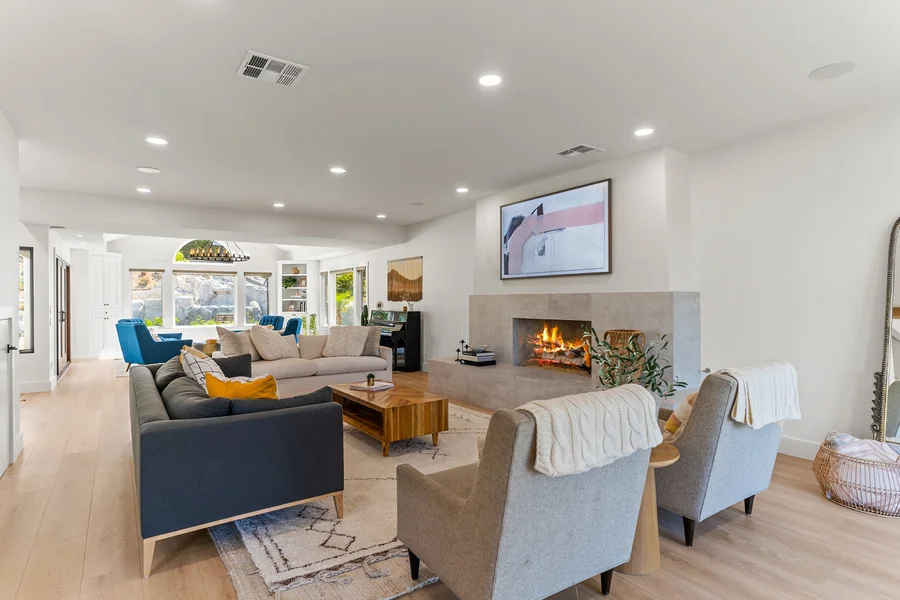
Remodeling in Arizona comes with challenges that go beyond design preferences or budget planning. Heat, sun exposure, soil conditions, and local regulations all influence how a project performs over time. Homes here demand solutions that prioritize durability, efficiency, and comfort from the start. What works well in other regions often needs adjustment to truly succeed in a desert environment, so why approach an Arizona remodel like any other?
Why Remodeling in Arizona Comes with Its Own Rulebook
Remodeling in Arizona isn’t just about updating a space or following the latest design trends. The environment shapes how homes age, how materials perform, and how comfortable a space feels year-round. Advice that works in cooler or more humid regions often falls short once desert heat enters the picture. That’s why planning here requires a different mindset from the start.
Homeowners who overlook Arizona-specific factors often run into problems sooner than expected. Premature wear, rising energy costs, and comfort issues are common when projects aren’t tailored to local conditions. Remodeling here is less about copying ideas and more about adapting them. Wouldn’t it make sense to design a home around where you live, not where a magazine photo was taken?
Living With Extreme Heat Changes Everything
Arizona’s heat is not seasonal, it’s a constant design consideration. Prolonged sun exposure impacts roofing, exterior finishes, windows, and even interior temperatures. Homes that don’t account for heat gain often feel uncomfortable despite modern upgrades. Cooling systems end up working harder, which drives up long-term energy costs.
Heat also influences how spaces are used throughout the day. Rooms with heavy sun exposure can become unusable without thoughtful shading or insulation. This affects layout decisions, window placement, and material choices more than many people expect. When the climate is this intense, comfort becomes part of the structure, not just the decor.
Not All Materials Are Built for the Desert
Materials that perform well elsewhere don’t always hold up in desert conditions. Constant UV exposure can fade finishes, weaken surfaces, and cause cracking over time. Some materials expand, contract, or deteriorate faster under extreme heat. Choosing the wrong option can turn a remodel into a maintenance headache.
Durability matters more than trend appeal in Arizona homes. Heat-resistant finishes, proper insulation, and sun-tolerant exterior materials last longer and perform better. While aesthetics still matter, they need to work hand in hand with performance. Isn’t it better to choose something that looks good and still works ten years later?
Remodeling Older Homes vs. Newer Arizona Builds
Older Arizona homes often come with charm but also hidden challenges. Outdated insulation, electrical systems, and plumbing are common issues uncovered during remodels. Many homes built decades ago weren’t designed for today’s energy expectations or modern lifestyles. Updating them often requires more than cosmetic changes.
Newer homes bring a different set of concerns. Builder-grade materials and cost-saving shortcuts can limit long-term performance. While layouts may feel more modern, efficiency and durability are not always guaranteed. Remodeling newer homes often means correcting oversights rather than reinventing the space.
What Arizona Soil and Foundations Mean for Your Remodel
Arizona soil behaves differently than soil in many other regions. Expansive or shifting ground can contribute to foundation movement over time. Cracks in walls, uneven floors, and drainage issues are often tied to what’s happening beneath the surface. These factors can’t be ignored during structural or exterior remodels.
Water management plays a major role despite the dry climate. Monsoon rains can expose grading and drainage weaknesses quickly. Exterior upgrades often affect how water moves around a home. Addressing foundation-related considerations early can prevent costly surprises later.
Permits, Inspections, and HOA Rules You Can’t Ignore
Remodeling rules vary widely across Arizona cities and towns. Permit requirements, inspection standards, and energy codes can differ even between neighboring areas. Homeowners who skip this step risk fines, delays, or complications when selling. Compliance isn’t just paperwork, it protects the investment.
HOAs add another layer of oversight, especially for exterior changes. Color palettes, materials, and structural modifications are often restricted. Ignoring these rules can mean undoing completed work. Isn’t it easier to plan within the rules than fix problems after the fact?
Designing Interiors That Stay Comfortable in the Heat
Interior design in Arizona is closely tied to temperature control. Open layouts can feel airy but may increase cooling challenges if not planned carefully. Flooring materials, ceiling heights, and wall insulation all affect how heat moves through a home. Comfort depends on how these elements work together.
Windows play a bigger role than many homeowners realize. Placement, size, and insulation influence heat gain throughout the day. Thoughtful design reduces reliance on constant cooling. A well-designed interior should feel comfortable without fighting the climate.
Outdoor Spaces That Actually Work in the Desert
Outdoor living is appealing in Arizona, but only when designed correctly. Shade structures often matter more than square footage. Without protection from the sun, outdoor spaces go unused for much of the year. Heat-resistant surfaces and smart layouts make these areas practical, not just decorative.
Water use and maintenance also shape outdoor remodeling choices. Traditional designs from cooler regions don’t translate well to desert environments. Durable materials and efficient landscaping help reduce upkeep. Outdoor spaces should feel inviting, not exhausting to maintain.
When to Remodel in Arizona, and When to Wait
Timing matters more in Arizona than many homeowners expect. Extreme summer heat can affect labor schedules, material handling, and project pacing. That said, summer remodeling isn’t always a disadvantage and can sometimes offer better availability. The key is planning realistically.
Monsoon season adds another layer of complexity. Sudden storms can delay exterior work or require temporary adjustments. Scheduling around these factors reduces stress and surprises. Wouldn’t a smoother timeline be worth a little extra planning upfront?
Finding a Contractor Who Understands Arizona Homes
Local experience makes a noticeable difference in remodeling outcomes. Contractors familiar with Arizona understand how heat, soil, and codes affect construction decisions, from full renovations to more focused work like cabinet refacing in Scottsdale, Mesa, or Phoenix. They’re more likely to anticipate issues before they become costly problems. That knowledge shows up in both planning and execution.
Inexperienced contractors often rely on generic approaches. This can lead to material choices or designs that don’t perform well long-term. Asking the right questions reveals whether someone truly understands local conditions. A remodel should feel tailored, not improvised.
Common Remodeling Missteps Arizona Homeowners Make
One of the most common mistakes is prioritizing looks over performance. A design that photographs well doesn’t always function well in desert conditions. Skimping on insulation, roofing, or shading often leads to higher costs later. These issues rarely fix themselves.
Another misstep is underestimating long-term wear. Materials that struggle with heat may need replacement sooner than expected. Short-term savings often lead to long-term expenses. Smart remodeling balances appearance with durability and efficiency.
How to Remodel with Arizona in Mind
Successful remodeling in Arizona starts with climate-aware planning. Every decision should consider heat exposure, energy use, and long-term performance. Design and function need to support each other from the beginning. This approach reduces surprises and improves comfort.
Thinking long-term leads to better results. Durable materials, efficient layouts, and thoughtful timing all contribute to a smoother project. When remodeling aligns with the environment, homes feel better to live in and easier to maintain. Isn’t that the real goal of any remodel?
Conclusion
Remodeling successfully in Arizona means designing with the environment, not against it. Thoughtful material choices, climate-aware layouts, proper planning, and local expertise all contribute to results that last. Projects that respect heat, water, and long-term performance tend to cost less to maintain and feel better to live in. When every decision supports how a home actually functions here, the remodel becomes an investment rather than a compromise, doesn’t that make all the difference?