
ADU Design: Key Considerations for Small Spaces
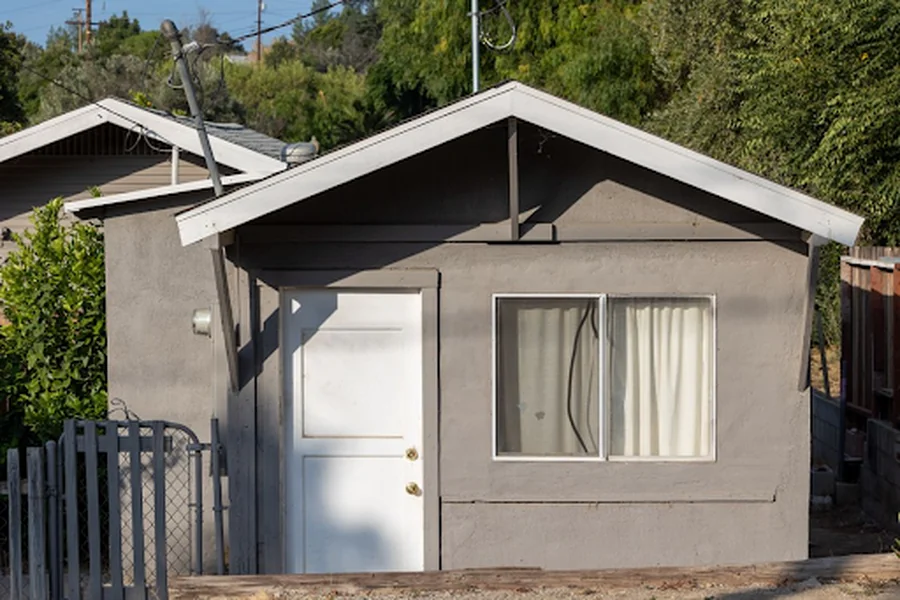
Accessory Dwelling Units (ADUs) have become increasingly popular as homeowners seek to maximize their property’s potential. Whether used as a guest house, rental unit, home office, or family living space, an ADU can add functionality and value to a property. However, creating a successful ADU requires thoughtful planning, especially when working with limited square footage.
Good ADU design is about much more than fitting a small structure into a backyard. It involves balancing comfort, aesthetics, functionality, privacy, and local regulations. Every design decision, from room layouts to exterior finishes, can impact how the space feels and performs.
One of the biggest advantages of ADUs is their versatility. With the right planning, even a compact structure can feel spacious and welcoming.
Important goals of successful ADU design include:
- Maximizing usable space. Every square foot should serve a purpose without making the home feel crowded.
- Creating visual openness. Strategic layouts and natural light can make small interiors feel larger.
- Maintaining privacy. ADUs should provide comfort for occupants while respecting neighboring properties.
- Enhancing property value. Well-designed units often add value to a home.
- Supporting long-term flexibility. The space should adapt to changing needs over time.
As more homeowners invest in ADUs, understanding the key design considerations can help ensure a successful project from start to finish.
Backyard ADU Ideas for Privacy and Outdoor Flow
One of the first challenges when planning an ADU is determining how it will fit into the existing yard. Many homeowners search for creative backyard ADU ideas that allow the new structure to feel connected to the property while maintaining privacy.
The relationship between the ADU and the main house is especially important. A well-designed layout should encourage natural movement between buildings without making either space feel overcrowded.
Popular backyard ADU ideas include:
- Positioning the ADU toward the rear of the lot. This often creates better separation from the primary residence.
- Using fences or hedges. Natural and built barriers can improve privacy without feeling restrictive.
- Creating dedicated outdoor seating areas. Separate gathering spaces help each dwelling maintain its own identity.
- Orienting windows carefully. Proper placement minimizes direct sightlines between homes.
- Incorporating private entrances. Independent access improves functionality for guests or tenants.
Outdoor flow is another critical consideration. Residents should be able to move comfortably throughout the property without obstacles or awkward transitions.
Thoughtful planning can include:
- Walkways connecting structures.
- Defined gathering spaces.
- Outdoor lighting for safety and ambiance.
- Shade structures for comfort.
- Flexible multi-use outdoor areas.
When these elements work together, the ADU feels like a natural extension of the property rather than an afterthought.
ADU Exterior Design: Materials, Colors, and Curb Appeal
The appearance of an ADU plays a major role in how well it integrates with the existing property. Effective ADU exterior design creates visual harmony while allowing the structure to have its own character.
Many homeowners choose to match architectural elements from the primary residence. Similar rooflines, siding materials, and color palettes can create a cohesive look across the property.
When planning ADU exterior design, consider:
- Siding materials. Wood, fiber cement, stucco, and composite panels each offer unique advantages.
- Roofing styles. Matching or complementary roofing materials help unify the overall appearance.
- Window selection. Consistent window styles create architectural continuity.
- Exterior lighting. Attractive fixtures improve both safety and curb appeal.
- Entry design. A welcoming entrance helps the ADU feel intentional and inviting.
Color selection is equally important. Neutral tones tend to age well and blend seamlessly with surrounding architecture. However, accent colors can add personality and visual interest when used thoughtfully.
Homeowners often work with experienced ADU builders Sacramento and designers to ensure their ADU complements the existing property. A successful ADU exterior design balances aesthetics with durability. Choosing materials that perform well in local weather conditions helps reduce maintenance costs while preserving the property’s appearance over time.
ADU Landscaping That Complements Your Main House
Landscaping often receives less attention than architecture, but it can significantly influence the overall success of an ADU project. Well-planned ADU landscaping helps tie together the main house, the ADU, and the surrounding outdoor spaces.
The goal is to create a cohesive environment where all elements feel connected. Landscaping can soften transitions between structures, improve privacy, and enhance outdoor living areas.
Effective ADU landscaping strategies include:
- Repeating plant varieties throughout the property. Consistency helps create visual unity.
- Using layered vegetation. Trees, shrubs, and groundcovers add depth and texture.
- Incorporating native plants. Native species typically require less water and maintenance.
- Creating seasonal interest. A variety of plants ensures year-round appeal.
- Defining outdoor zones. Landscaping can visually separate recreation, relaxation, and circulation areas.
Privacy is often a primary concern for ADU owners. Strategic planting can create natural screening without making spaces feel enclosed. Popular privacy solutions include:
- Evergreen hedges
- Decorative grasses
- Small ornamental trees
- Vertical garden systems
- Mixed planting borders
Good landscaping also improves environmental performance. Trees provide shade, reduce heat buildup, and contribute to energy efficiency. Proper drainage solutions help manage water runoff and protect both structures.
Thoughtful landscaping transforms outdoor areas into valuable living spaces rather than simply decorative surroundings.
ADU Backyard Integration: Patios, Paths, and Planting
Creating a functional ADU backyard requires careful attention to how outdoor spaces connect and interact. Integration is about more than appearance – it directly affects usability and comfort.
Many homeowners view their backyard as an extension of their living space. When adding an ADU, it is important to maintain this functionality while accommodating the needs of both structures.
A well-planned ADU backyard may include:
- Shared patios for gatherings and entertainment
- Private outdoor areas for relaxation
- Clearly defined walking paths
- Integrated lighting systems
- Flexible spaces that support multiple activities
Pathways play a particularly important role. They help guide movement between buildings while establishing a sense of organization throughout the property. Popular pathway materials include:
- Concrete pavers
- Natural stone
- Gravel
- Brick
- Permeable paving systems
Planting design also contributes significantly to successful backyard integration. Plants can frame pathways, define gathering spaces, and soften architectural features.
Another key consideration is scale. Large landscape elements may overwhelm a compact ADU, while very small features can feel insignificant. The best designs maintain visual balance throughout the property.
An attractive ADU backyard should feel intentional and cohesive, offering both beauty and practicality for daily use.
Zoning and Setbacks in ADU Design
No discussion of ADU design would be complete without addressing zoning regulations and setback requirements. These rules vary by location and can significantly influence what is possible on a particular property.
Before investing in plans or construction, homeowners should carefully research local regulations. Understanding these requirements early can help prevent costly revisions later in the process.
Common zoning considerations include:
- Maximum ADU size
- Building height restrictions
- Parking requirements
- Occupancy regulations
- Utility connection standards
Setbacks are especially important because they determine how close a structure can be built to property lines and existing buildings.
Typical setback considerations include:
- Rear yard setbacks
- Side yard setbacks
- Front yard requirements
- Distance from neighboring structures
- Fire safety regulations
These requirements directly influence site planning and may affect many of the previously discussed design decisions.
For example, setback limitations may determine which backyard ADU ideas are feasible for a specific property. They may also influence ADU landscaping plans and the overall layout of the ADU backyard.
Working with experienced professionals can simplify the permitting process and help ensure compliance with local codes. Architects, designers, and contractors familiar with local regulations can often identify solutions that maximize available space while meeting legal requirements.
Ultimately, successful ADU design combines creativity with practicality. By considering privacy, exterior aesthetics, landscaping, backyard integration, and zoning requirements, homeowners can create small spaces that feel comfortable, functional, and visually appealing. With thoughtful planning and attention to detail, an ADU can become one of the most valuable and versatile additions to a property.