
Best Preventive Maintenance Software for Reliable Assets
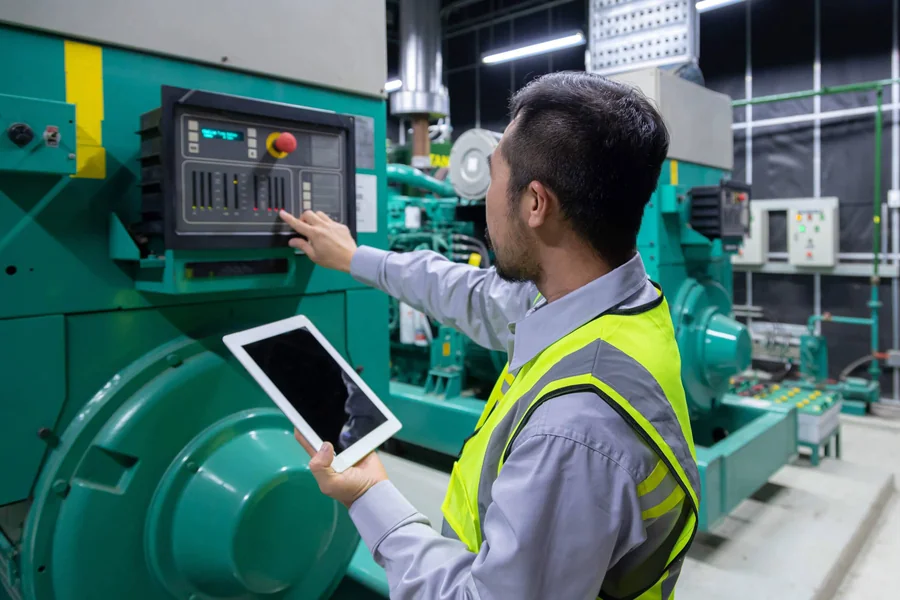
Reliable assets are the backbone of any successful industrial venture. Manufacturing equipment, infrastructure, transportation, and utility infrastructure are all critical to keeping the wheels of daily business turning. When these assets fail, it has a direct impact on productivity, and it puts the operational staff into crisis mode.
Organizations are beginning to realize that the traditional approach to maintenance is no longer sufficient. This is because, by waiting for equipment to fail before doing something about it, organizations are leaving themselves vulnerable to risk. It is for this reason that organizations are turning to the best preventive maintenance software to support their preventive maintenance initiatives. Here is why this shift matters and what these platforms bring to the table.
Why Reactive Maintenance Falls Short
For decades, many organizations relied on a simple approach to maintenance: repair equipment when it stops working. While this method may seem straightforward, it often leads to expensive downtime and unpredictable workloads.
When assets are only serviced after failure, damage may extend beyond the original problem. A worn bearing can damage an entire motor assembly. A neglected HVAC system may overwork compressors and fans. Small problems escalate quickly when they are not addressed early.
Reactive maintenance also puts pressure on the maintenance personnel who have to react to emergencies without proper preparation. Rather than concentrating on reliability, maintenance teams spend most of their time on emergency repairs.
Preventive maintenance provides a more stable option.
Building a Proactive Maintenance Strategy
Preventive maintenance focuses on servicing equipment before failures occur. Inspections, lubrication, adjustments, and component replacements are planned based on time, usage hours, or operating conditions.
This can be achieved with the aid of digital maintenance platforms. The maintenance department will not rely on paper calendars or messy spreadsheets to schedule its preventive tasks.
Automated work orders are generated when the time for maintenance arrives. The maintenance department receives reminders and notifications to ensure that important work is completed on schedule.
Creating Complete Asset Visibility
One of the most important advantages of using preventive maintenance software is the information it provides regarding the performance of the assets. This is done by monitoring each asset using an electronic file that holds data regarding the maintenance history of the asset.
This information allows maintenance personnel to better understand the performance of the assets over time. Trends become more apparent. Some of the equipment may require more frequent servicing, while other equipment will continue to function properly with minimal maintenance.
This data enables managers to make more informed decisions regarding maintenance and resource allocation. Decisions will no longer be made based on assumptions about the status of the equipment.
Improving Resource Planning and Coordination
Preventive maintenance is a process that involves the coordination of resources such as spare parts, manpower, and maintenance schedules. In the absence of proper planning, even the best maintenance program can encounter delays.
Maintenance software assists in the coordination of resources. Spare parts can be allocated for maintenance in advance so that the technician has the necessary spare parts before commencing the task. The GAO has reported that deferred maintenance across federal facilities has grown significantly, underscoring the cost of delaying planned upkeep.
Workloads can also be distributed. This ensures that the technician is not overwhelmed during peak periods of maintenance.
Turning Maintenance Data Into Predictive Insight
Preventive maintenance systems generate large amounts of operational data. Each inspection, repair, and service operation contributes to a constantly growing database of asset performance data.
More advanced maintenance infrastructure utilizes analysis and artificial intelligence to identify patterns within the data. The data may indicate predictive signs of a potential failure or identify assets that are perpetually requiring maintenance.
A company can optimize its maintenance process and begin to concentrate on predictive maintenance by analyzing these patterns. Instead of simply following fixed schedules, teams can anticipate problems based on real equipment behavior.
Strengthening Operational Reliability
The ultimate goal of preventive maintenance is operational reliability. This means that if equipment is maintained properly, there will be fewer downtimes, and the workflow will be smoother.
Preventive maintenance software helps organizations in this respect by planning maintenance activities, tracking equipment health, and ensuring that critical work is performed on a regular basis.
From the operations perspective, this means that there will be less stress and uncertainty. Employees will be able to focus on equipment maintenance rather than being stuck with emergencies all the time.
Conclusion
Industrial operations depend on equipment that performs reliably day after day. While reactive maintenance approaches may offer short-term fixes, they do not contribute to long-term success.
Preventive maintenance software offers the framework necessary to proactively manage assets. By automating maintenance schedules, organizing asset information, and equipping frontline maintenance staff with accessible tools, these solutions enable businesses to safeguard their most critical assets.
For businesses looking to change the way they operate on the industrial front line, implementing preventive maintenance technology is a major step in the right direction. When maintenance becomes planned, organized, and data-driven, assets will last longer, downtime will be reduced, and operations will be much more resilient.