
From Sacred Herbs to Modern Science: The Long History of Hemp in Human Culture
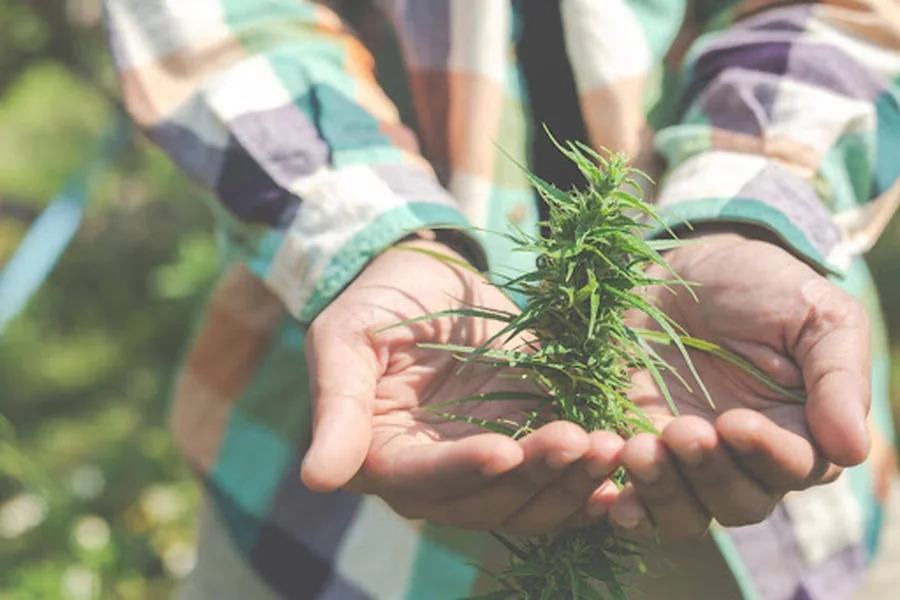
Few plants have accompanied humanity’s journey as closely as hemp. Long before modern debates about regulation, wellness, or commerce, hemp was simply part of daily life, grown for fiber, valued in medicine, and woven into ritual and tradition. Its story stretches across continents and millennia, linking ancient farmers, healers, and craftspeople with today’s researchers and technologists.
Understanding hemp’s past offers a clearer perspective on its present. Rather than viewing it as a modern trend, history shows hemp as one of humanity’s oldest cultivated plants, appreciated for its versatility and resilience.
Early Encounters: Hemp in Prehistoric Societies
Archaeological evidence suggests hemp cultivation began thousands of years ago in Central and East Asia. Some of the earliest textile fragments linked to hemp fibers date back to Neolithic communities. For early societies, hemp was not exotic, it was practical. Its fibers produced durable rope, clothing, and nets, making it invaluable for survival-based cultures.
Ancient agricultural groups favored crops that served multiple purposes. Hemp fit that need well: it grew quickly, adapted to different climates, and provided both material and medicinal value. This multi-functionality likely explains why it spread widely along early trade routes.
As migration and exchange networks expanded, hemp seeds and cultivation knowledge traveled with them. Over generations, the plant became embedded in regional traditions from Asia to the Middle East and eventually Europe.
Hemp in Ritual and Traditional Medicine
Beyond practical use, hemp held symbolic and medicinal importance. Historical sources from Asia and the Middle East reference herbal preparations that included cannabis plants. Ancient healers often experimented with botanicals to address discomfort, inflammation, and digestive concerns. While their understanding differed from modern pharmacology, their observations laid groundwork for plant-based medicine.
In some cultures, aromatic plant smoke played a role in ceremony or spiritual practice. Burning herbs was believed to purify spaces or support meditative states. Hemp, like many plants, occasionally appeared in these contexts, not as a recreational substance in the modern sense, but as part of broader herbal traditions.
It is important to view these practices through a historical lens. Ancient societies approached plants holistically. A single herb could be food, fiber, medicine, and ritual tool all at once.
Hemp’s Role in Expanding Civilizations
By the medieval period, hemp was firmly established across Europe. It became essential for maritime cultures because hemp rope and sails were strong and resistant to saltwater damage. Some historians argue that long-distance sea exploration would have been far more difficult without hemp-based ship materials.
Farmers valued hemp as a rotation crop because it improved soil structure and required relatively few pesticides. Written agricultural records from various regions mention hemp fields alongside grains and vegetables, highlighting its role in everyday farming.
Medical manuscripts from the medieval and early modern periods also reference hemp-based remedies. Though not universally used, it was part of the wider herbal knowledge passed down through generations.
The Shift Toward Scientific Understanding
The perception of hemp began to change significantly in the 19th and 20th centuries. Industrialization introduced alternative materials, and emerging legal frameworks started distinguishing between hemp and psychoactive cannabis varieties. These distinctions sometimes blurred public understanding of the plant’s historical roles.
Yet scientific curiosity persisted. Researchers began studying cannabinoids and plant compounds, gradually uncovering how they interact with the body’s endocannabinoid system. This marked a transition from traditional knowledge to laboratory analysis.
Modern hemp research now emphasizes measurement, safety, and controlled extraction. This reflects broader changes in how societies evaluate natural substances, moving from folklore to evidence-based frameworks.
Technology and the Evolution of Use
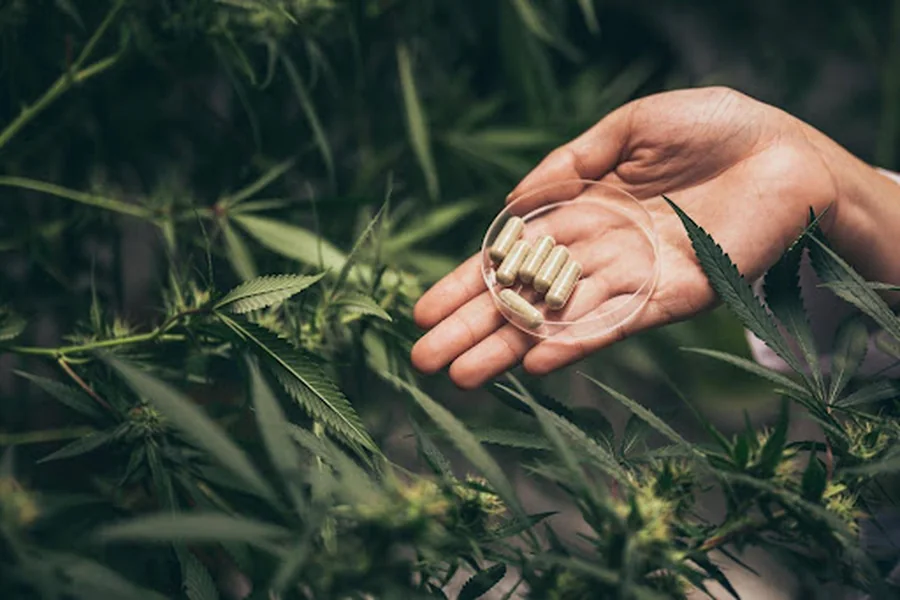
One major difference between ancient and modern hemp use lies in technology. Early societies relied on simple preparation methods such as drying or steeping plants. Modern science, by contrast, can isolate specific compounds with precision and consistency.
For example, some contemporary consumers encounter highly refined products like a delta 9 vape, which represents a technologically advanced delivery system compared to historical herbal preparations. While ancient communities relied on raw plant material, modern processing allows for measured formulations and standardized concentrations.
This contrast highlights how humanity continues to reinterpret ancient plants through new tools and scientific understanding.
From Folk Knowledge to Chemical Precision
Another defining feature of modern hemp use is the transparency around extraction and refinement. Where ancient herbalists relied on trial and observation, today’s producers often explain the chemistry behind cannabinoid isolation.
Educational resources from companies and researchers increasingly describe how compounds are separated and purified. For instance, guides published by Delta Munchies outline how delta-9 THC can be extracted from legally grown hemp using controlled methods. This type of explanation reflects a contemporary emphasis on laboratory standards rather than oral tradition.
Such developments illustrate a broader pattern: humanity continuously refines how it interacts with plants, applying new knowledge to ancient resources.
A Plant That Reflects Human Curiosity
Hemp’s long history mirrors human curiosity and adaptability. Across eras, people have experimented, observed, and adjusted their use of the natural world. Some applications faded, others expanded, and many transformed under scientific scrutiny.
What remains consistent is hemp’s versatility. Few plants have served as textile base, medicinal ingredient, agricultural crop, and research subject across so many generations. Its resilience has allowed it to reappear in new forms whenever societies reassess natural materials.
Looking at Hemp Historically
For readers interested in history, archaeology, and cultural heritage, hemp offers a valuable case study. It reminds us that modern conversations rarely emerge from nowhere. They grow from layered histories shaped by environment, culture, and technology.
Recognizing hemp’s past encourages more informed discussions about its present. Rather than seeing it as a sudden innovation, it can be understood as a plant deeply interwoven with human development.
From prehistoric textiles to laboratory extraction, hemp’s journey spans the arc of civilization. It has been a tool, a remedy, a trade good, and now a subject of advanced research. Each era reinterprets it through its own knowledge systems and needs.
The story of hemp is not only about a plant, it is about how humans learn, adapt, and rediscover the natural world. In that sense, hemp’s history is also a reflection of our own long relationship with nature and innovation.