
How Animated Pictures Capture Attention More Effectively

In case your content fails to keep the audience engaged, you are not alone. Digital audiences are fast; they merely skim, scroll, and move in a matter of seconds, frequently without reading even worthy messages. Static visuals and dense text rarely compete with the constant stream of content demanding attention across screens.
Fortunately, motion offers a practical solution. Moving visual elements are natural eye catchers, focus on initiators, and encourage viewers to stay longer. Animation can turn passive viewing into active participation without clogging the viewer’s mind when applied in a smart way.
This article explains why animated visuals are so effective. It also explores how the brain responds to motion, how animation improves clarity and emotional connection, and where animated visuals deliver measurable results.
1. Visual Motion Impact On Attention
Human eyes are extremely sensitive to movement. From an evolutionary perspective, movement indicates critical events within the environment. The same instinct is applicable in the new digital frontier. The scrolling is broken by movement on a screen, which shifts attention to the content.
In the first moments of exposure, animated pictures immediately stand out against static surroundings. Motion creates visual contrast, making key elements easier to notice. This effect makes key messages appear sooner and avoids them fading in the background.
Visual processing systems prioritize dynamic stimuli, especially when motion is subtle and purposeful. When animation highlights essential information rather than distracting it, attention becomes more focused and intentional.
2. Brain Response To Animated Visuals
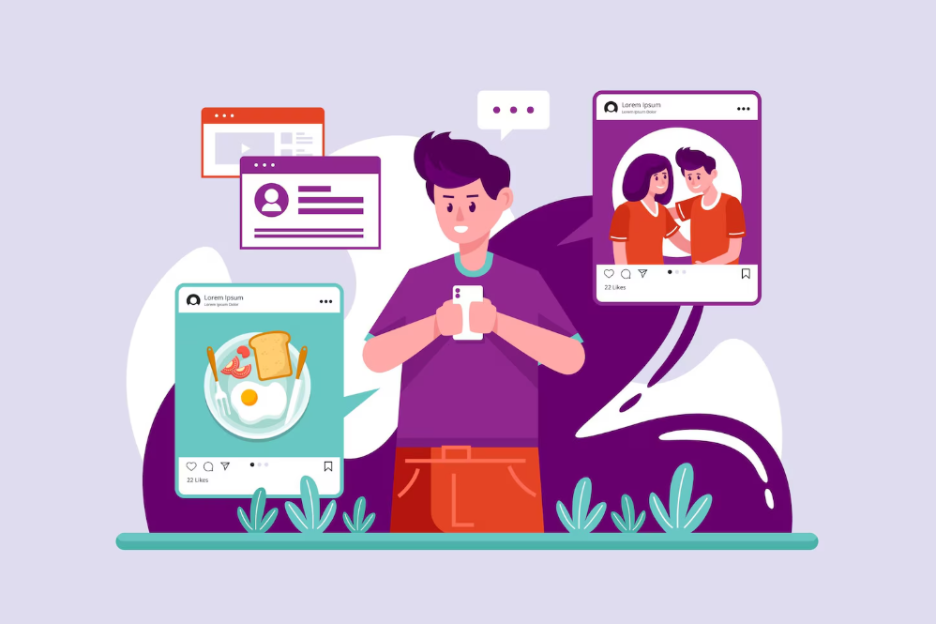
Once attention is engaged, understanding identifies whether viewers remain receptive. Images are processed much faster by the brain than text, and animation takes this merit a step further and displays transitions and relations explicitly.
The use of animated images lowers the cognitive load by displaying information bit by bit. Animation shows progression in place of the viewers having to mentally simulate a change. This method facilitates quicker acquisition within a short time, especially in abstract or complicated concepts.
Recent neuroscience research highlights that motion-based visuals improve memory retention and learning efficiency when compared to static formats. Animation is compatible with natural processing patterns in the brain; therefore, information becomes easier to digest and remember.
3. Emotional Connection Through Animation
Efficient communication goes beyond clarity. Emotional involvement determines the perception and reaction that the viewers have towards the content. Animation introduces tone, rhythm, and personality that static visuals often lack.
Movement conveys emotion through pacing and style. Smooth transitions suggest calm and reliability, while dynamic motion communicates energy and urgency. These emotional cues shape perception before a single word is read.
Studies in visual communication demonstrate that emotionally resonant visuals increase trust and perceived value. Animation makes digital experiences real and enables viewers to engage with digital content on a more personal level and stay longer.
4. Information Clarity With Motion Design
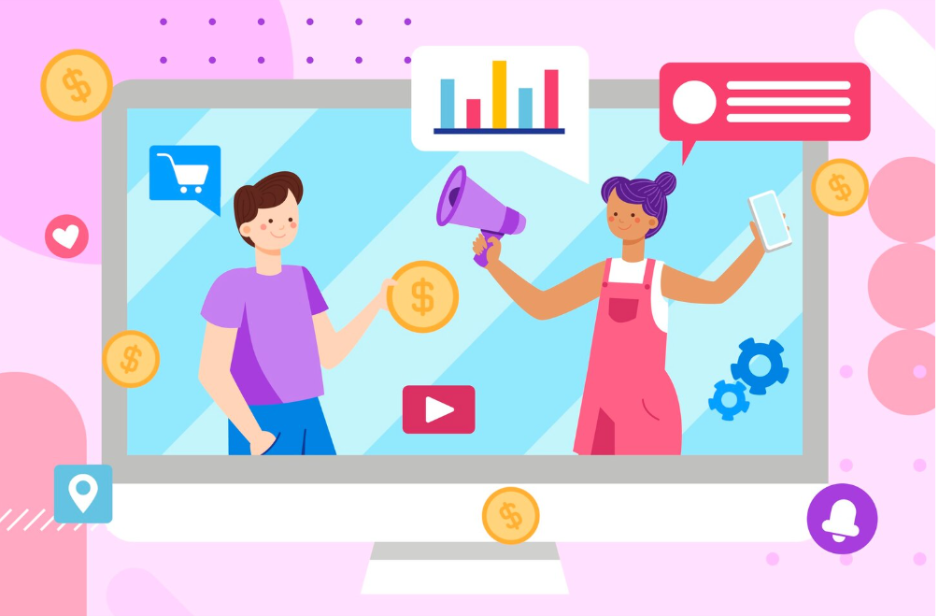
Effective communication relies on format. Animation enhances structure by making it easier for viewers to follow the contents in a rational order. Movement is an act designed to draw focus with the aim of creating less confusion and enhancing comprehensibility.
Cause and effect relationships are better represented as animated diagrams and visual explanations as opposed to static images. When viewers see processes unfold visually, understanding becomes immediate rather than inferred.
A study indicates that animated teaching materials increase understanding and reduce cognitive burden when they are created with discretion. Motion supports comprehension best when it reinforces hierarchy and meaning rather than competing for attention.
5. Social Media Engagement Advantage
Content that is engaging is rewarded through social media platforms. Algorithms give preference to the posts that create longer viewing time and interaction. Under such circumstances, animated visuals are more successful.
Movement provokes users to put a stop to scroll and focus momentarily. That pause increases engagement signals such as watch time, likes, and shares. As engagement rises, visibility expands organically.
Dynamic stimuli enhance user interaction in a brisk digital environment. Animation works perfectly with the social media patterns of behavior, and it is a strategic advantage, not a creative trend.
6. Practical Use Across Industries
Marketing is not the only visual activity that can be animated. Education, healthcare, technology, and corporate communication all benefit from motion-based content. Animation adapts easily across formats and objectives.
Animation makes complex issues simpler in the learning environment and helps to retain them better. Professionally, presentations and training to be presented through animations render clarity and engagement.
Across industries, motion enhances both understanding and engagement. Visual communication effectiveness emphasizes that animation improves message delivery when aligned with audience needs. This scalability is what makes animation a niche solution and not a versatile one.
Conclusion
The use of animated images is successful because they align with the way visual information is perceived by individuals. Motion attracts attention, enhances meaning, and creates emotional appeal without requiring the viewer to work harder. When there is a purpose behind the use of animation, then involvement can be seen as a logical consequence kaiyo.
The best animation is the one aimed at direction and not ornamentation. Minimal movement, rational sequence, and emotional consistency reinforce communication rather than distracting it. Excessive motion will never work out compared to intentional design.
The actionable takeaway is simple. Use animation to support clarity and focus, not novelty. Attention can be lasting, understanding can be more effective, and your message will actually have a lasting impact when animation supports your message.