
How Tattoo Removal Works: A Simple Explanation
Introduction
So you’ve got some ink you’re not so fond of anymore. Maybe it’s an ex’s name, a design that didn’t age well, or just something that no longer fits who you are. The good news is that tattoos aren’t as permanent as they used to be. Modern tattoo removal technology has come a long way, making it possible to erase or significantly fade unwanted body art.
Understanding how tattoo removal actually works can help you make informed decisions about whether it’s right for you. Let’s break down the science behind the process and what you can expect if you decide to say goodbye to that regrettable tattoo.
The Science Behind Tattoo Ink
Before we dive into removal methods, it helps to understand what you’re actually trying to remove. When you get a tattoo, the artist uses needles to inject ink particles deep into your skin’s dermis layer. These particles are too large for your body’s immune system to naturally break down and eliminate, which is why tattoos stick around for life.
Your immune system does try to remove these foreign particles, but the ink molecules are simply too big to be carried away by white blood cells. This is where modern removal technology comes into play, essentially giving your immune system a helping hand.
Laser Technology: The Gold Standard
The most effective and widely used method for tattoo removal is laser therapy, specifically Q-switched lasers or the newer picosecond lasers. These devices emit highly concentrated light beams that target the tattoo ink beneath your skin’s surface.
When the laser energy hits the ink particles, it causes them to heat up rapidly and shatter into tiny fragments. Think of it like breaking a rock into pebbles, then into sand. These smaller particles are now small enough for your lymphatic system to flush them out of your body naturally over the following weeks.
Different laser wavelengths target different ink colors. Black and dark blue inks are the easiest to remove because they absorb all laser wavelengths. Lighter colors like yellow, green, and fluorescent inks can be more challenging and may require specialized lasers.
What Happens During a Treatment Session
A typical laser removal session is relatively quick, often lasting just a few minutes for small tattoos. The practitioner will clean the area and may apply a numbing cream to minimize discomfort. Some describe the sensation as similar to having a rubber band snapped against your skin repeatedly.
The laser is then applied to the tattooed area in short pulses. You’ll likely see the skin turn white temporarily, a reaction called “frosting” that indicates the treatment is working. After the session, the area is cleaned and bandaged, and you’re given aftercare instructions.
The Treatment Timeline
Here’s something important to understand: tattoo removal isn’t a one-and-done deal. Most tattoos require multiple sessions spaced several weeks apart. This spacing is crucial because it gives your immune system time to clear away the shattered ink particles.
The number of sessions needed varies widely depending on several factors. These include the tattoo’s size, color, age, and depth, as well as your skin type and overall health. Amateur tattoos typically fade faster than professional ones because the ink is usually applied less deeply. Most people need anywhere from five to twelve sessions for significant results.
If you’re exploring tattoo removal services Chicago, you’ll find that qualified practitioners can assess your specific tattoo and provide a more accurate estimate during a consultation.
Potential Side Effects and Considerations
While laser tattoo removal is generally safe when performed by trained professionals, there are some side effects to be aware of. Temporary redness, swelling, and blistering are common and typically resolve within a few days. Some people experience changes in skin pigmentation, either lightening or darkening of the treated area.
Scarring is rare but possible, especially if aftercare instructions aren’t followed properly. It’s crucial to keep the area clean, avoid sun exposure, and resist the urge to pick at any scabs that form.
Conclusion
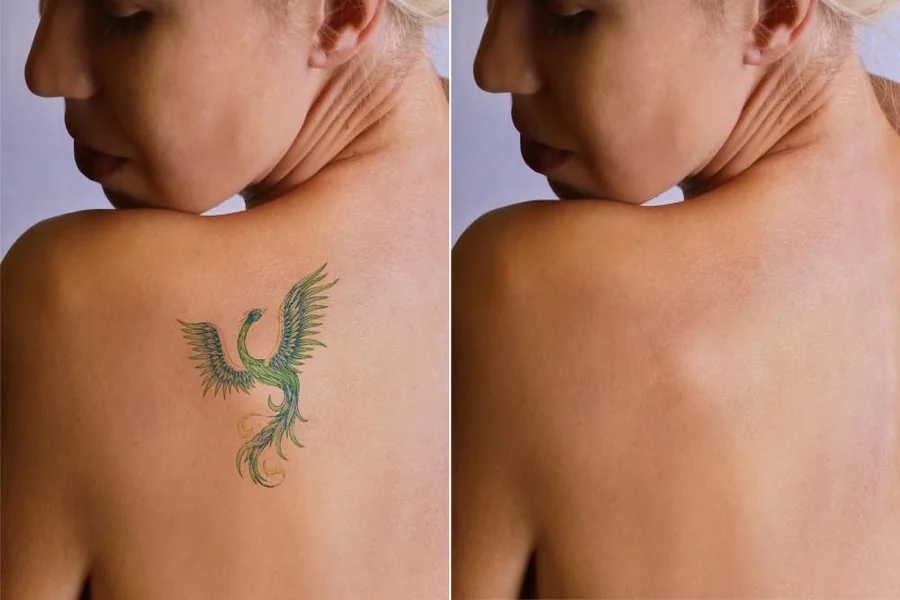
Tattoo removal has evolved from a painful, scar-inducing process to a sophisticated procedure that works with your body’s natural systems. By using targeted laser energy to break down ink particles, modern technology makes it possible to significantly fade or completely remove unwanted tattoos.
The process requires patience and multiple sessions, but for many people, the results are worth the investment. If you’re considering removal, consult with a qualified professional who can evaluate your specific situation and develop a treatment plan tailored to your needs. That tattoo mistake doesn’t have to be forever after all.