
How to Know When It’s Time to Replace Your HVAC System?
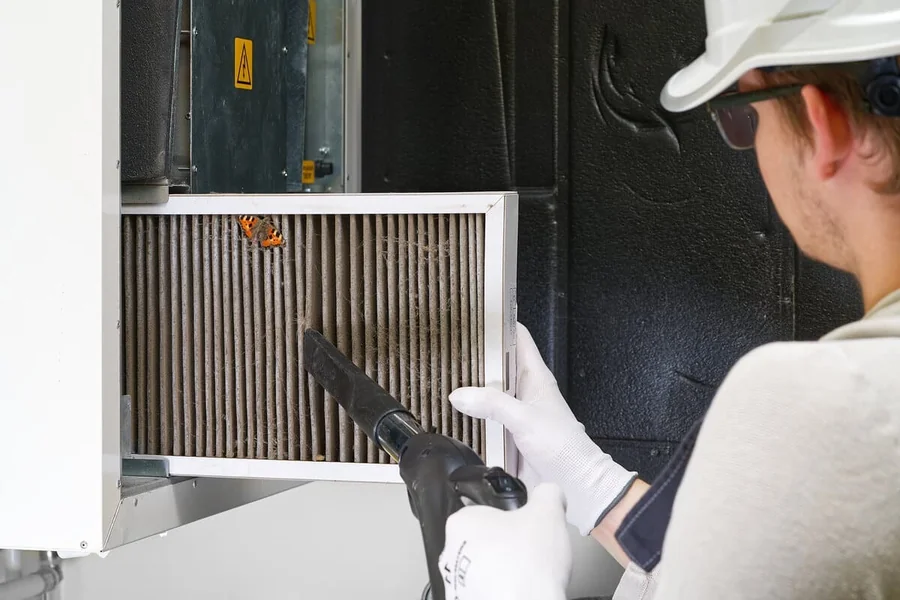
Your HVAC system is one of the most valuable assets in your home, maintaining stable and comfortable indoor temperatures throughout the year. However, even the most durable systems eventually wear out and lose efficiency. Recognizing when it’s time for a replacement can save you from rising energy bills, poor air circulation, and costly emergency repairs. Many homeowners hesitate to replace their systems until a complete breakdown occurs, but subtle signs often appear years earlier. Understanding these indicators enables timely replacement, ensuring consistent comfort, improved air quality, and lower energy consumption throughout all seasons.
Recognizing the Early Warning Signs
Every HVAC system emits signals that it’s nearing the end of its service life. One of the first indicators is age—most systems last between ten and fifteen years, depending on maintenance and usage. As units age, they tend to lose efficiency, requiring longer operation times to achieve the same level of comfort. Another sign is the need for frequent repairs, where the costs begin to outweigh the benefits of keeping the system running. Unusual noises, weak airflow, or uneven temperature distribution across rooms also suggest that components are wearing down. These symptoms reflect the growing strain placed on internal mechanisms, such as compressors and motors, as they struggle to compensate for declining performance. By recognizing these early warnings, homeowners can plan a system upgrade before failure occurs, avoiding the stress and discomfort of losing heating or cooling during peak weather conditions.
When Repairs Become Too Frequent
If your HVAC system requires repairs more than once or twice a year, it may be signaling a larger issue. Constant breakdowns indicate that essential components, such as the blower motor, capacitor, or compressor, are nearing the end of their lifespan. The cost of repeatedly fixing these problems quickly adds up and often approaches the price of a new system. In humid regions, corrosion and rust from moisture exposure can also accelerate this deterioration. When repair bills begin to rival the cost of replacement, upgrading becomes the more practical and financially sound choice. A professional assessment can help determine whether the system’s performance is declining beyond reasonable repair. Even in regions such as Waxahachie, where temperature extremes vary seasonally, replacing an old HVAC unit provides better reliability and helps prevent seasonal discomfort. Modern systems not only perform more efficiently but also reduce long-term maintenance demands, making them a wise investment for comfort and stability.
Declining Energy Efficiency and Rising Bills
One of the clearest indicators that it’s time to replace your HVAC system is an unexplained rise in energy costs. Older systems often lose their ability to operate efficiently as internal parts degrade. This means your system must work harder and run longer to maintain desired temperatures, resulting in inflated utility bills. If insulation and ductwork are in good condition yet energy consumption continues to climb, the HVAC system itself is likely the culprit. Newer models are designed with advanced energy-saving technologies such as variable-speed compressors and smart thermostats that significantly reduce energy waste. Replacing an aging unit restores energy efficiency, leading to lower operational costs and a smaller environmental footprint. This improvement not only saves money each month but also enhances overall performance by maintaining steadier indoor comfort levels with less strain on mechanical components.
Inconsistent Temperatures and Poor Air Quality
When some rooms feel colder or warmer than others, or when air feels stagnant or dusty, it often means the HVAC system can no longer maintain proper airflow or filtration. These inconsistencies may result from worn-out ductwork, clogged filters, or a failing blower system, all of which signal the need for a replacement. Poor indoor air quality also points to an aging system that’s struggling to filter out dust, allergens, and pollutants. As systems age, they accumulate dirt and debris that can no longer be effectively removed through cleaning alone. Replacing the system restores clean, balanced airflow, supporting healthier living conditions. A new unit not only regulates temperature more precisely but also incorporates advanced filtration technology to enhance indoor air quality, a crucial benefit for households with children, pets, or individuals with respiratory sensitivities.
Unusual Noises, Odors, and System Behavior
Unfamiliar sounds, such as rattling, grinding, or humming, often signal mechanical problems that extend beyond minor wear. These noises can indicate loose parts, failing bearings, or airflow blockages that compromise performance. Similarly, unusual odors—whether metallic, musty, or burning—suggest electrical malfunctions or microbial growth within components. Ignoring these warning signs may lead to severe damage or even safety hazards. As systems near the end of their lifespan, they struggle to regulate operation smoothly, causing short cycling or inconsistent start-ups. Replacing the unit ensures quieter operation, safer performance, and improved reliability. It also eliminates the constant worry of unexpected shutdowns or strange noises disrupting daily comfort, restoring peace of mind while ensuring the home remains safe and efficiently conditioned throughout the year.
Cost Comparison: Repair Versus Replacement
When evaluating the condition of an older HVAC system, the financial aspect often determines the final decision. A simple rule many homeowners use is the “$5,000 rule,” which multiplies the system’s age by the cost of the repair—if the total exceeds $5,000, replacement is typically more cost-effective. Beyond repair costs, energy efficiency should also factor into this equation. An older system may still function, but it will consume far more electricity than newer, energy-efficient models. Upgrading not only eliminates repair expenses but also delivers measurable energy savings every month. Additionally, new installations often come with warranties that cover parts and labor, protecting homeowners from sudden repair costs. By weighing upfront costs against long-term savings, it becomes clear that replacing an outdated unit is often the more financially prudent choice for achieving stability.
Preparing for Seasonal Demands
HVAC performance becomes especially important when seasons change. An older system may struggle to keep up during extreme temperatures, causing discomfort and energy waste. Before a busy heating or cooling season begins, homeowners should assess whether their system is prepared for the demand. Newer systems are designed to handle temperature fluctuations more efficiently, maintaining consistent comfort regardless of outdoor conditions. They also integrate programmable thermostats and modern controls that optimize operation. Replacing an outdated unit before seasonal extremes hit ensures uninterrupted comfort, improved performance, and reduced risk of breakdowns. This proactive approach enables families to enjoy reliable heating and cooling year-round, without the anxiety of mid-season equipment failure or expensive emergency service calls.
Knowing when to replace your HVAC system comes down to recognizing changes in performance, efficiency, and cost. Rising energy bills, frequent repairs, inconsistent airflow, and unusual noises all signal a system that’s past its prime. Replacing it with a modern, efficient model enhances comfort, reduces maintenance, and significantly cuts operating expenses. It also improves indoor air quality and maintains consistent temperatures across every room. For homeowners, making this transition at the right time prevents unnecessary stress and ensures reliable performance for years to come. Investing in a new HVAC system ultimately transforms your home’s comfort and efficiency, making it a worthwhile step toward lasting peace of mind.