
How to Make Your Food Taste Better With Simple Changes
Have you ever cooked something at home and still felt, “Why does it not tasting like I expected?”
If yes, you’re not alone. The good news is you don’t need fancy ingredients, expensive sauces, or restaurant-level skills to make your food taste better. Most of the time, it’s just a few small changes that bring a big difference in flavour.
In this article, we’ll talk in a simple, practical way about how you can make everyday food taste more tasty, more balanced, and more enjoyable. These tips work for Indian food, pasta, eggs, sandwiches, sabzi, dal, rice, and almost anything you cook at home.
Start With The Basics: Taste Comes From Balance
When food tastes “perfect,” it usually has a good balance of a few key things. Even if you don’t know cooking theory, your tongue knows what it wants.
A balanced dish normally has:
- Salt
- A little sour
- A little sweetness (even natural)
- A good smell (aroma)
- Good texture (soft + crispy mix)
When any one of these is missing, food can feel incomplete. So the easiest way to improve taste is to adjust the balance slowly.
Use Salt Properly (Not More, Just Better)
Salt is not only for making food salty. Salt helps bring out the natural flavour in vegetables, rice, dals, chicken, and even fruits.
Add Salt In Stages
Instead of adding all the salt at once, add it in small parts while cooking:
- A little while sautéing onions
- A little after adding tomatoes
- A little near the end
This way, the flavour spreads evenly.
Use The Right Salt For The Right Job
For daily cooking, normal iodised salt is fine. To finish, a pinch of rock salt or sea salt on top of the salad or raita can feel fresher.
Don’t Skip Acidity (It Makes Food Feel Alive)
If food feels flat, many times it needs a little sour touch.
Simple acidic options:
- Lemon juice
- Vinegar
- Curd
- Tomato
- Raw mango (seasonal)
- Amla
Add Sour At The End
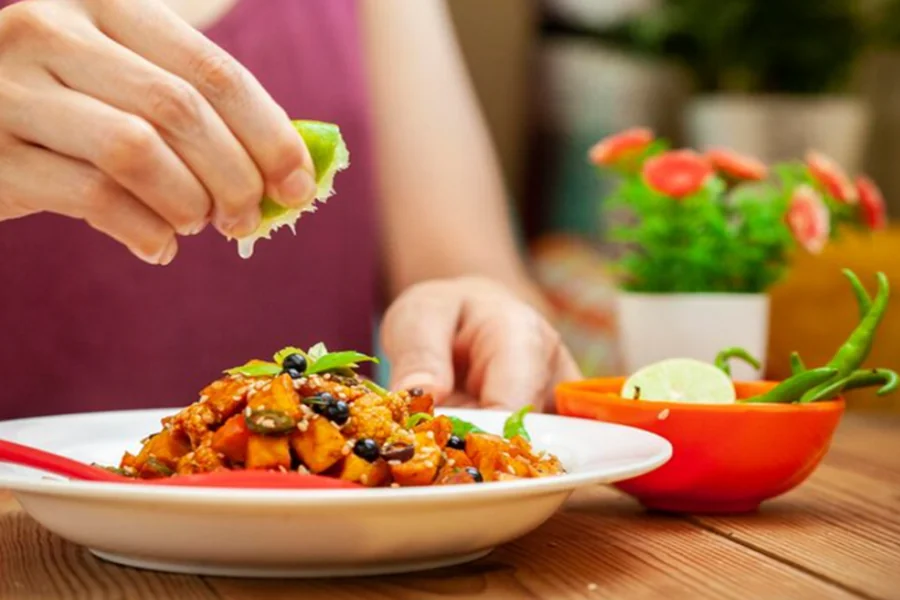
Lemon juice tastes best when added after cooking. If you add it while boiling, the fresh taste is reduced.
For example:
- Add lemon on dal after switching off the gas
- Add lemon on poha after it’s ready
- Add lemon on grilled paneer after plating
Use Fat For Flavour (Oil, Ghee, Butter)
Oil is not just for cooking. It carries flavour and helps spices open up.
A small amount of fat in the right place can make food taste much better:
- A spoon of ghee on hot dal-rice
- A little butter on roti or paratha
- Sesame oil in chutney
- Mustard oil in achar-style dishes
Toast Your Spices In Oil
If you add spices directly to water-based food, they won’t give a full taste. When you heat spices in oil first, they release aroma and taste properly.
This is why tadka feels so tasty.
Make the Onion-Tomato Base Properly
In Indian cooking, onion-tomato masala is like the heart of many dishes. If this base is cooked well, the whole dish automatically tastes better.
Cook Onions Until Soft And Light Golden
Raw onion taste can stay if you rush. Give it time.
Cook Tomatoes Until Oil Separates
When tomatoes cook properly, the raw smell goes away and the masala becomes smooth.
Add A Pinch Of Salt Early
Salt helps onions and tomatoes release water and cook faster.
Add One “Fresh” Element At The End
One of the simplest tricks is adding something fresh just before serving.
You can use:
- Coriander leaves
- Curry leaves
- Kasuri methi
- Spring onion greens
- Mint
- Freshly grated coconut
Even if your food is basic, this final touch makes it feel more tasty and fresh.
Use Whole Spices For Aroma
Powder spices are useful, but whole spices give that strong homely aroma.
Whole spices you can keep:
- Jeera
- Rai (mustard seeds)
- Tej patta
- Dalchini
- Laung
- Elaichi
- Black pepper
Even just jeera tadka in ghee can lift simple rice or khichdi.
Toast Masalas Slightly (It Changes Everything)
If you add garam masala and immediately close the lid, you might not get the full smell.
Try this:
- Add garam masala in the last 2 minutes
- Stir for 30 seconds
- Then switch off the gas
The aroma stays strong and nice.
Add Sweetness In A Natural Way
Sweetness is not only sugar. Many foods already have natural sweetness.
Where it helps:
- In tomato-based sabzi
- In sambhar
- In paneer gravy
- In Chinese-style sauces
Simple sweet options:
- A pinch of sugar
- Honey (for some dishes)
- Jaggery
- Sweet corn
- Carrot
Just a tiny amount balances sour and spice.
Improve Texture: Soft + Crunchy Combo
Texture is a big reason restaurant food feels better.
Try adding something crunchy:
- Roasted peanuts on poha
- Fried onions on dal
- Toasted sesame seeds on salad
- Papad on rice meals
- Croutons on soup
And add something creamy:
- Curd
- Malai
- Coconut milk
- Paneer cubes
- A little butter
When you mix textures, food feels more interesting.
Use Garlic And Ginger In The Right Way
Garlic and ginger give a strong taste, but they need correct cooking.
Don’t Burn Garlic
Burnt garlic gives a bitter taste. Cook it on a medium flame until light golden.
Fresh Ginger For Fresh Taste
Ginger tastes best when freshly grated. Ginger paste works too, but fresh ginger feels more lively.
Add Ginger At Two Stages
For some dishes, you can add:
- A little ginger while cooking
- A little ginger at the end
It gives a layered taste.
Use Water Smartly (Yes, Even Water Matters)
Many dishes become bland because too much water is added.
Examples:
- Dal becomes watery and light
- Sabzi becomes thin
- Gravy loses flavour
Add Water Slowly
Add water little by little. You can always add more later.
Use Hot Water
When making gravy, add hot water instead of cold. It keeps cooking smooth and the taste stays better.
Taste While Cooking (Small Habit, Big Difference)
This is the most “real kitchen” tip. Taste your food while cooking. Not after it’s finished.
When you taste early, you can fix:
- Salt
- Spice
- Sourness
- Thickness
Even professional cooks taste again and again. It’s normal.
Don’t Overcook Everything
Fresh taste stays when vegetables are cooked properly.
For example:
- Bhindi tastes best when cooked, but still firm
- Capsicum tastes best with a slight crunch
- French beans taste best when not too soft
When vegetables become too soft, the flavour feels less fresh.
Use Simple Homemade Stock Or Leftover Water
If you want extra flavour, use:
- Water from boiled vegetables
- Water from boiled corn
- Leftover dal water (thin dal)
- Light chicken stock
Use this instead of plain water for soups, gravies, or pulao. It gives a natural taste.
Try One New Spice At A Time
Sometimes we add too many spices, and the food becomes confusing.
Instead, keep it simple:
- For dal: jeera + garlic + hing
- For sabzi: jeera + haldi + red chilli
- For pulao: whole garam masala + mint
When you add one new thing at a time, you understand what improves taste.
Keep Your Spices Fresh
Old spices lose smell and taste. This is why food feels “okay, okay” even when you follow the recipe.
Simple tips:
- Store masalas in closed containers
- Keep away from sunlight
- Buy in smaller quantity
- Replace old powders every few months if possible
Use A Grammar Checker For Food Blogs (Small Tip For Writers)
If you are also writing food articles for your site, clean writing makes the article feel easy to read and more trustworthy. A simple tool like grammar checker can help you catch small spelling and grammar mistakes before publishing.
Final Thoughts
Food doesn’t need to be complicated to taste better. When you focus on small things like salt balance, fresh lemon, proper tadka, good texture, and simple finishing touches, your everyday meals start feeling more tasty and satisfying. Try just one or two changes at a time, and slowly your cooking will feel more confident and enjoyable.