
Painless Dental Fillings: How Modern Pediatric Dentistry Keeps Kids Comfortable

Painless dental fillings can make a big difference for children when they start developing tooth issues. At that tender age, children are commonly exposed to sugary food and snacks, which can lead to cavities and decay.
The use of fluoride and remineralization helps prevent tooth decay before it gets too severe. The treatments can even avoid the need for a filling. The shift matches the trends in kids’ dentistry. Staying ahead of tooth decay can help reduce the need for kids’ dental fillings
Smiles+Grins brings preventive pediatric care and painless treatment options to patients looking for great dental care.
Why Children Need Dental Fillings
Young teeth tend to get cavities often because their enamel is thinner. Besides this, kids who snack a lot are more at risk. Brushing routines might still be developing at this stage, also increasing the risk of cavities.
Fillings help stop the progress of decay and restore the function of the teeth. Fillings also help reduce further complications that can arise due to damaged teeth.
Modern pediatric dentistry encourages regular visits to help catch problems early, before they worsen, so as to have a chance for painless dental fillings
Modern Techniques That Reduce Pain
Today’s dentistry brings new ways to do fillings without discomfort. Instead of drilling, some methods use air abrasion to clear decay gently. Lasers can now turn damaged tissue into vapor, reducing shaking sounds. Local numbing creams work well to dull sensitivity. Anesthetics help skip the pinch entirely at first contact.
Child-Friendly Filling Materials
Right now, kids’ teeth get filled with materials that blend into their enamel, unlike the shiny old silver fillings once common. Instead of metal, clinics such as Smiles+Grins on the Upper East Side reach for special kinds of plastic-like mixes that stick well and need fewer cuts in the jaw. Because these work by locking in, they sometimes even help protect surrounding areas by gently releasing tiny amounts of fluoride.
With less chipping or cracking seen later on, parents often notice their child feels more confident showing off a smooth, even smile.
Comfort-Focused Technology
Filling gets smoother thanks to the advancement in technology. Intraoral cameras show clear, larger images, so fillings stay small and precise. Less radiation hits the body because digital X-rays replace older methods. Breathing nitrous oxide gives kids a sense of calm during visits. Some even wear VR goggles, lost in visuals, making tough moments easier to handle. With these aids, tooth prep takes less time, feels lighter on the nerves, and keeps appointments moving without rush.
Certain technologies stand out by clarifying things. They include:
- Laser dentistry targets tooth decay and gets rid of the need for anesthesia.
- 3D printing makes 3D-printed molds. molds fit better because 3D-printed molds are custom-made with quicker setup than traditional methods
- Bioactive materials promote the remineralization of teeth. These materials support tooth health after fillings.
- Use the noise-reducing headphones.
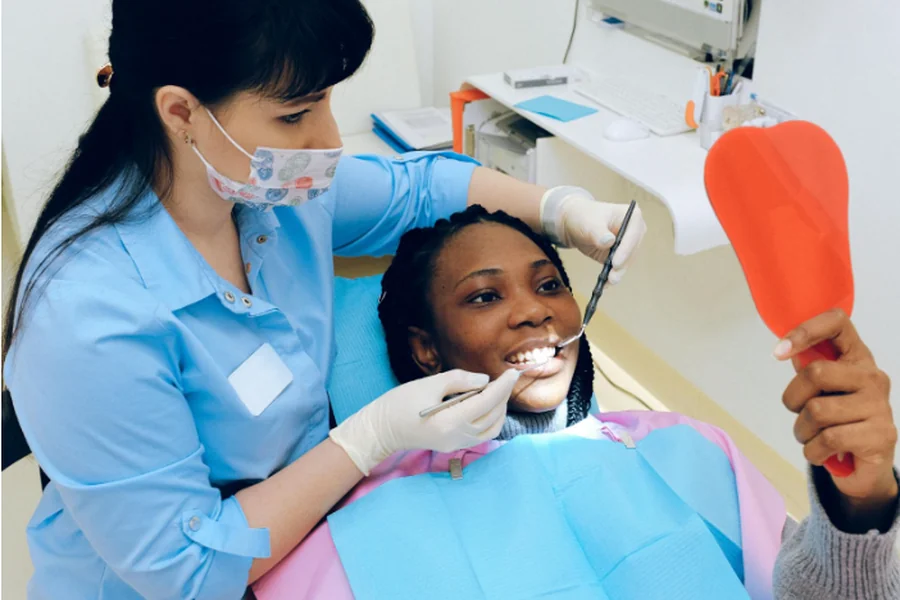
How Pediatric Dentists Help Kids Stay Calm
Doctors who care for children learn about child development. Instead of just doing things, they show, explain, and then do. This makes each step clear through playfulness.
Tools become toys when used in ways that feel like fun. Praise helps create bonds, while small rewards make moments more enjoyable. Themed waiting areas give the space a story, turning checkups into pretend play.
Calling in the parents can also ease the tension as it brings trust and comfort to the child.
What Parents Can Do to Prepare Their Child
Parents can expose their kids to books that show them what happens at the dentist. This might just make their curiosity grow. Home playtimes where pretend checkups happen can softly prepare young minds.
Appointments for pediatric dental fillings set when moods are light tend to go more smoothly than those scheduled when the child is more stressed. Keeping teeth clean through regular care makes each visit less jarring.
Parents should ensure the child has dishes and snacks low in sugar. That often means fewer holes drilled later. A quiet word with the dentist about nervousness leads to methods shaped around fear elimination.
In conclusion
Families now handle tooth decay without discomfort thanks to updated pediatric dental filling techniques. These advances put speed and results first when treating little ones.
Smiles stay healthy longer because adults choose thoughtful options early on. One piece from Forbes challenges old thinking about baby teeth, showing how ignoring them can lead to bigger issues down the road.
Do you have any tips that have kept children calm during filling? Please share for others to learn.