
Preparing Large Home Items for Extended Storage Periods
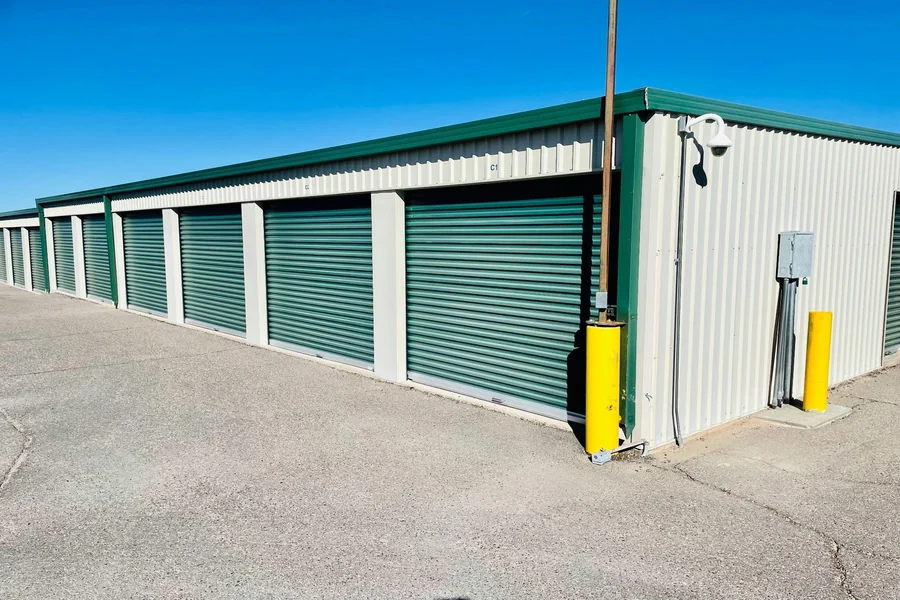
Storing large household appliances isn’t as simple as unplugging them and placing them in a storage unit. Appliances contain electrical components, moving parts, seals, and internal surfaces that can deteriorate if they’re not prepared correctly. A practical reference many people consult before storing major appliances is how to store appliances in storage, which outlines the basic steps needed to protect these items during extended storage periods.
Understanding what actually causes damage in storage, and how to prevent it, can significantly extend the lifespan of appliances and reduce costly repairs or replacements later. For additional tips on effective storage techniques, check out meansbase for expert advice.
Why Appliances Require Special Preparation
Appliances are built to operate regularly, not to sit unused for months at a time. When stored improperly, moisture, trapped odors, residue, and mechanical stress can lead to corrosion, mold growth, cracked hoses, or seized components. Unlike furniture or boxed household goods, appliances often contain internal systems that react poorly to humidity and temperature changes.
Extended storage magnifies these risks, making preparation essential rather than optional.
Cleaning Is More Than Cosmetic
One of the most common mistakes people make is storing appliances without thoroughly cleaning them first. Residual food particles, detergent, or moisture can create ideal conditions for mold, mildew, and pest activity.
Refrigerators and freezers should be completely emptied, cleaned with mild detergent, and dried thoroughly. Dishwashers and washing machines benefit from running an empty cleaning cycle, followed by wiping down seals, filters, and interior surfaces. Even small residue left behind can cause unpleasant odors or microbial growth over time.
Drying and Moisture Control
Moisture is the primary enemy of stored appliances. Before placing any appliance into storage, all components should be fully dry. This includes hoses, trays, filters, and internal compartments.
Leaving doors slightly open during storage helps promote airflow and prevents moisture buildup inside enclosed units like refrigerators, ovens, and washers. In climate-controlled storage units, this practice is especially effective at minimizing condensation-related damage.
According to guidance from the American Cleaning Institute, moisture left inside appliances during periods of inactivity is a major contributor to mold development and material degradation.
Disconnecting and Securing Components
Appliances often include detachable or flexible components that need special attention. Water hoses, ice maker lines, dryer vents, and power cords should be disconnected, drained, and secured properly.
Hoses should be completely emptied and loosely coiled to avoid cracking. Power cords should be wrapped carefully and kept off the floor to prevent compression or fraying. Any removable shelves, racks, or trays should be taken out, wrapped separately, and stored inside the appliance only if adequately padded.
Positioning Appliances Correctly
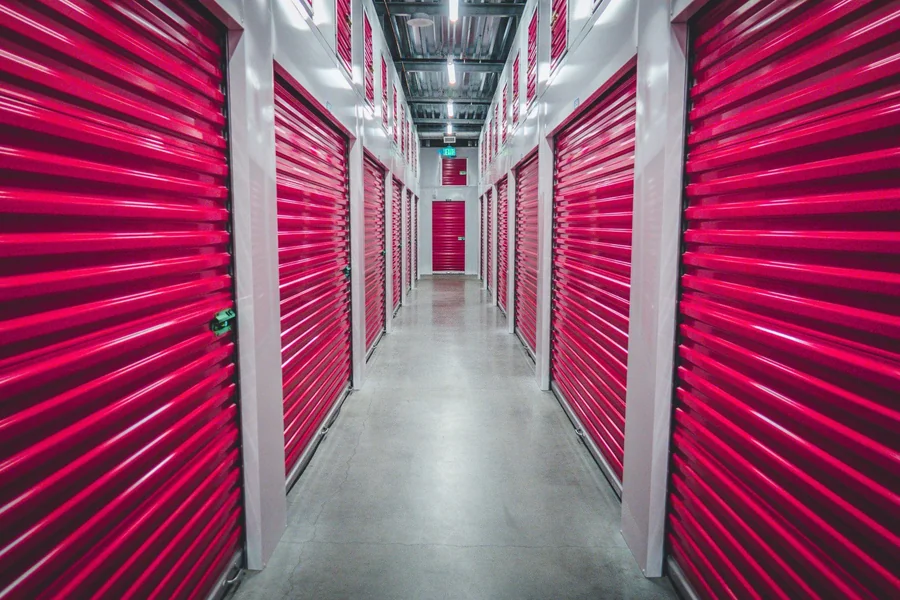
How appliances are positioned in storage matters more than many people realize. Large appliances should always be stored upright. Tilting or laying them on their sides can cause internal fluids, such as compressor oils, to shift into areas where they don’t belong, potentially damaging the unit when it’s restarted.
Heavy appliances should be placed on pallets or risers to keep them off the floor. This reduces exposure to potential moisture and improves airflow around the base of the unit.
Choosing the Right Storage Environment
Not all storage units are suitable for appliance storage, especially for extended periods. Non-climate-controlled units can experience extreme temperature swings, which may damage electronic components, seals, and insulation.
Climate-controlled storage helps maintain consistent temperature and humidity levels, reducing stress on materials and internal systems. While this option may cost more, it often prevents long-term damage that would be far more expensive to repair.
Avoiding Overpacking and Pressure
A frequent storage misconception is that appliances can be used as structural supports or storage containers for other items. Placing boxes or heavy objects on top of appliances can warp panels, damage controls, or crack external finishes.
Appliances should remain free-standing with sufficient clearance on all sides. This prevents pressure damage and allows for proper air circulation throughout the storage period.
Periodic Checks for Long-Term Storage
For appliances stored for many months or longer, periodic inspection is recommended. Checking for signs of moisture, pest activity, or shifting items allows problems to be addressed early before damage becomes severe.
If possible, briefly opening appliance doors during inspections helps refresh airflow and confirms that internal conditions remain dry and odor-free.
Common Storage Myths to Avoid
One persistent myth is that unplugging an appliance is sufficient preparation. In reality, unplugging addresses only electrical safety, not moisture, residue, or mechanical stress. Another misconception is that wrapping appliances tightly in plastic provides protection. While plastic can shield against dust, it can also trap moisture unless ventilation is maintained.
Balanced protection involves breathable coverings, proper drying, and environmental control, not airtight sealing.
Long-Term Value Protection
Appliances represent a significant investment in any household. Whether storing them during a move, renovation, or long-term relocation, proper preparation protects both functionality and resale value.
Replacing seals, motors, or internal electronics due to improper storage can quickly outweigh the cost of careful preparation and appropriate storage conditions.