
Safeguarding Your Family Without Cramping Their Style
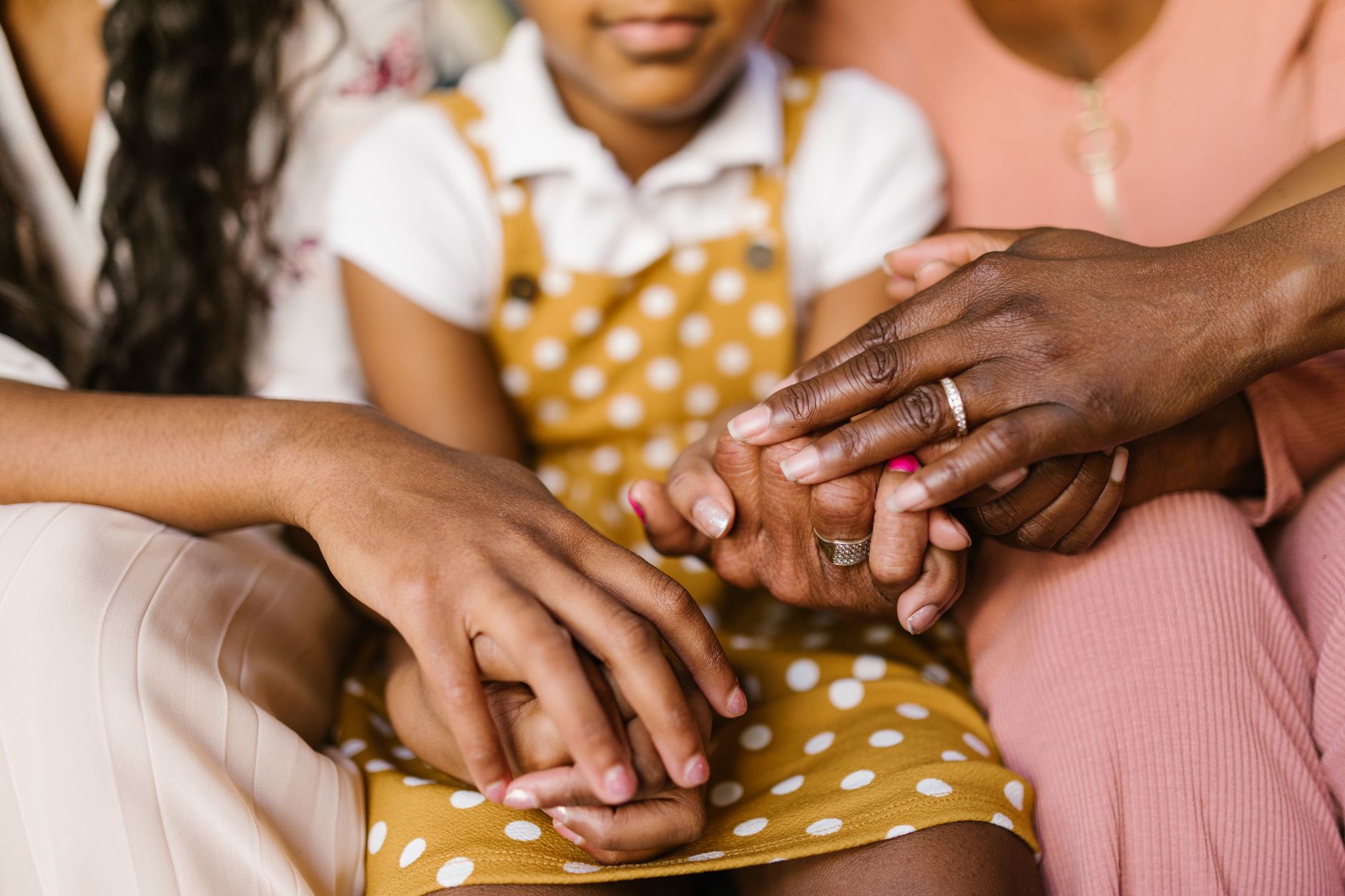
Keeping your family safe does not have to mean turning your home into a place full of rules, warnings, and suspicion. In many households, safety conversations get tangled up with control. Parents worry, kids push back, and everyone ends up feeling watched instead of supported. A better approach is to make safety feel like part of everyday life, not a crackdown.
Safety That Feels Like Freedom
That shift often starts at home, not with a lecture, but with the environment you create. A calm, well planned space, clear routines, and tools that support awareness can do more than constant reminders ever will. For some families, that may include a home security system with cameras that helps everyone stay informed without making the house feel tense or restrictive. The point is not to track every move. It is to create a home base that feels secure, predictable, and easy to trust.
When people feel trusted, they are more likely to act responsibly. That is true for young kids learning basic habits, teens asking for more independence, and even adults balancing work, school, and social life. Real family safety is not about eliminating freedom. It is about building enough structure that freedom can be enjoyed with confidence.
Why Style Matters More Than People Think
When we talk about “style” in family life, we are not just talking about clothes, decor, or personal taste. We are talking about rhythm, identity, and the way each person moves through the world. One child may be social and spontaneous. Another may be private and thoughtful. One parent may love detailed plans. Another may be more laid back. Safety systems that ignore those differences tend to create friction.
That is why the best safety strategy is one that works with your family’s personality instead of against it. If your teen values privacy, for example, a heavy handed monitoring setup may lead to secrecy instead of honesty. Experts at Nationwide Children’s note that teens often respond better to open conversation and family agreements than to intense control, especially when digital boundaries are involved. Digital boundaries for teens and caregivers can be built through collaboration, which strengthens trust instead of breaking it.
The same idea applies beyond screens. If your child is beginning to walk to a friend’s house, stay home alone for short periods, or manage after school time more independently, they need guidance that respects their growing judgment. Style matters because safety sticks better when it feels personalized, not imposed.
Move From Surveillance to Shared Awareness
There is a major difference between making your family feel watched and helping them feel aware. Surveillance says, “I do not trust you.” Shared awareness says, “We all have a role in keeping this home steady.”
That can look like simple check in habits, agreed upon arrival times, locked doors at night, and a shared understanding of what to do when plans change. It can also mean being honest about why certain boundaries exist. Kids and teens usually handle rules better when they understand the reasoning behind them. “Text me when you get there” lands differently from “Because I said so.”
This is especially important in the digital world, where young people often have more confidence than caution. The American Academy of Pediatrics encourages ongoing conversations with teens about privacy, online behavior, and the fact that digital spaces are not always as private as they seem. Healthy communication about smart and safe media use can help families address risk without turning every device into a battleground.
Shared awareness also teaches a valuable life skill. It helps kids learn how to notice red flags, trust their instincts, and communicate early when something feels off. That is a much stronger long term safety asset than blind obedience.
Create Boundaries That Can Breathe
Rigid rules often fail because life is not rigid. Schedules change. Friends make last minute plans. New apps appear. A child who was fine with one level of freedom at age ten will likely need something very different at fifteen. Family safety works best when boundaries are clear, but flexible enough to adapt.
Think of boundaries as living agreements. Maybe younger kids need direct supervision in the yard, while older kids just need to check in before heading next door. Maybe phones stay out of bedrooms overnight during the school week, but weekends are handled differently. Maybe location sharing is used for a specific event or travel day, not as an all day, every day default.
This kind of flexibility sends an important message. It says safety is not a punishment. It is a practice. It evolves as trust and maturity grow.
It also opens the door to accountability. If a family agreement is broken, the response can focus on problem solving instead of power struggles. What happened? What needs to change next time? What support would help? That tone keeps communication alive, which is often the first thing families lose when fear takes over.
Make the Home Itself Do Some of the Work
One underrated way to protect your family without cramping anyone’s style is to let the home carry more of the safety load. Good lighting, secure entry points, visible routines, and smart organization reduce stress because they remove guesswork. People function better when the environment quietly supports good decisions.
For example, a designated spot for keys, bags, chargers, and emergency contacts can make departures and arrivals smoother. Exterior lighting can make late returns feel safer. Simple household habits, such as locking doors consistently and keeping common areas uncluttered, lower tension because everyone knows what “normal” looks like.
This matters emotionally as much as practically. A home that feels orderly and responsive gives family members a stronger sense of security. They do not need to be constantly reminded to be careful when the space itself is helping them stay grounded.
And importantly, this does not have to look harsh or overly technical. Safety can blend into a home’s design and daily flow. The goal is a house that feels warm, lived in, and easy to navigate, while still being prepared.
Teach Judgment, Not Just Compliance
Every parent knows the uncomfortable truth. Sooner or later, your child will be somewhere you are not. They will make choices without checking with you first. That is why the real goal is not perfect compliance. It is sound judgment.
Judgment grows through repetition, conversation, and small opportunities to practice independence. Let kids participate in safety decisions. Ask what makes them feel uncomfortable. Talk through scenarios. Help them think ahead. If they miss a check in or make a poor call, treat it as a chance to build better instincts, not just to hand down consequences.
This approach takes patience, but it pays off. A child who understands why a boundary exists is more likely to honor it when nobody is looking. A teen who feels respected is more likely to tell the truth when something goes wrong. And a family that treats safety as a shared value, rather than a list of restrictions, is more likely to stay connected under pressure.
The Best Safety Plan Feels Like Home
The strongest family safety plan is usually the one that does not dominate the room. It supports, rather than suffocates. It protects, rather than polices. It leaves space for personality, growth, and trust.
In the end, safeguarding your family without cramping their style is less about tightening your grip and more about strengthening your foundation. Build a home where people know the rules, understand the reasons, and feel comfortable speaking up. Use tools that create confidence, not anxiety. Keep boundaries clear, but human.
When safety feels like care instead of control, your family is far more likely to carry it with them, wherever they go.