
Smart Tips for Choosing Pleated Blinds for Small Windows
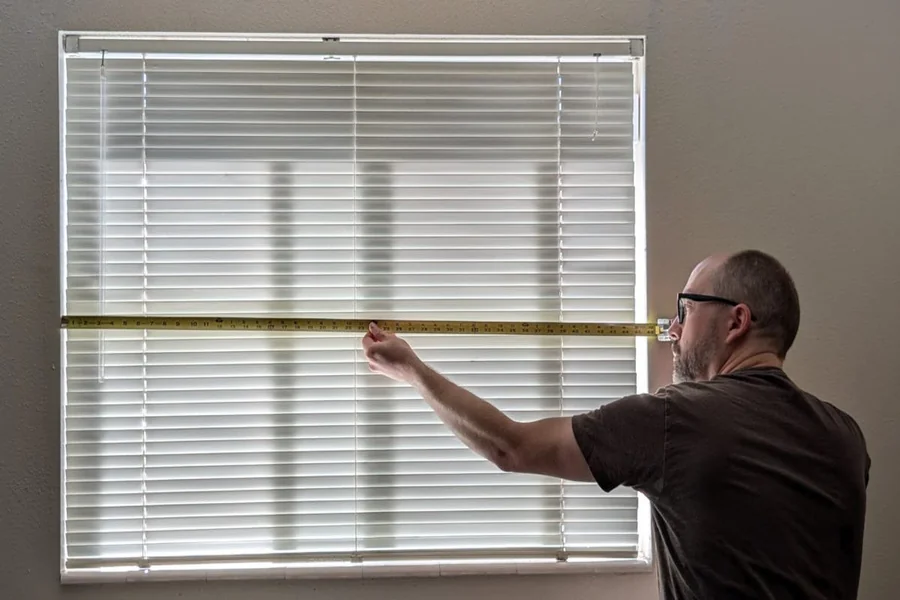
Small windows are often treated like afterthoughts. A narrow gap in the wall, a sliver of light, a space too tiny to deserve design attention. But here’s the twist: small windows punch far above their size. They influence lighting, privacy, insulation, and the overall balance of a room.
Pleated blinds are one of the smartest solutions for compact windows because they combine minimal bulk with sharp functionality. When chosen well, they sit lightly, almost like a soft architectural detail instead of a heavy covering.
The problem? Many homeowners choose them the same way they would for large windows. That’s where things go sideways.
Here’s how to get voldikardinad right for small spaces.
Prioritize Light Control Over Decoration
Small windows already restrict natural light. Thick or dark pleated fabrics can unintentionally choke what little brightness enters the room.
For tight spaces, lighter shades and semi transparent materials help maintain an open, breathable feel while still softening glare. Blackout pleated blinds only make sense when the window sits in bedrooms or spaces needing full darkness.
Think of pleated blinds as light filters, not light blockers, unless darkness is the goal.
Choose Slim Profiles to Match Window Scale
Heavy frames overwhelm small windows visually. Pleated blinds are loved for their compact fold, but the mounting hardware and headrails must also stay subtle.
Look for minimal top rails and tensioned designs that sit close to the glass. The goal is to let the blind disappear into the window rather than dominate it.
On small windows, every millimeter matters both physically and visually.
Go for Top Down Bottom Up Functionality
This feature is a secret weapon for compact windows, especially those placed at eye level or facing neighbors.
Top down bottom up pleated blinds allow you to open the blind from the top while keeping the lower section covered. Light enters, privacy stays intact. It’s like lifting a curtain just enough to peek at the sky without inviting the street inside.
For small windows, this flexibility dramatically improves usability.
Match Fabric Texture With the Room
Because small blinds are more noticeable in proportion, fabric texture becomes important.
Crisp pleats with smooth finishes suit modern interiors. Soft woven textures warm up traditional spaces. Busy patterns usually clutter the look and shrink the window further.
Simple designs visually enlarge the space around small windows.
Focus on Insulation Benefits
Small windows often exist in bathrooms, stairways, hallways, and corners where temperature control gets tricky. Pleated blinds with honeycomb or thermal structures trap air and reduce heat loss without adding thickness.
They act like a soft thermal layer tucked inside the window frame. Quietly efficient. Invisible performance.
For compact windows, insulation isn’t a bonus. It’s a major upgrade.
Avoid Overcrowding With Multiple Treatments
Layering works beautifully for large windows. On small ones, it creates chaos.
Curtains plus pleated blinds plus decorative rods can suffocate the space. Let pleated blinds stand alone where possible. Their clean structure is designed exactly for minimal environments.
Small windows breathe best with fewer visual interruptions.
Final Word
Pleated blinds are tailor made for small windows, but only when scale, fabric, and functionality are chosen thoughtfully. The right combination enhances light, protects privacy, improves insulation, and keeps the window visually balanced within the room.
When done well, even the smallest window feels intentional and refined.
Avaeksperdid helps homeowners select perfectly fitted pleated blinds that maximize light, privacy, and efficiency for small windows.