
The Growing Role of Education in Residential Lawn Care
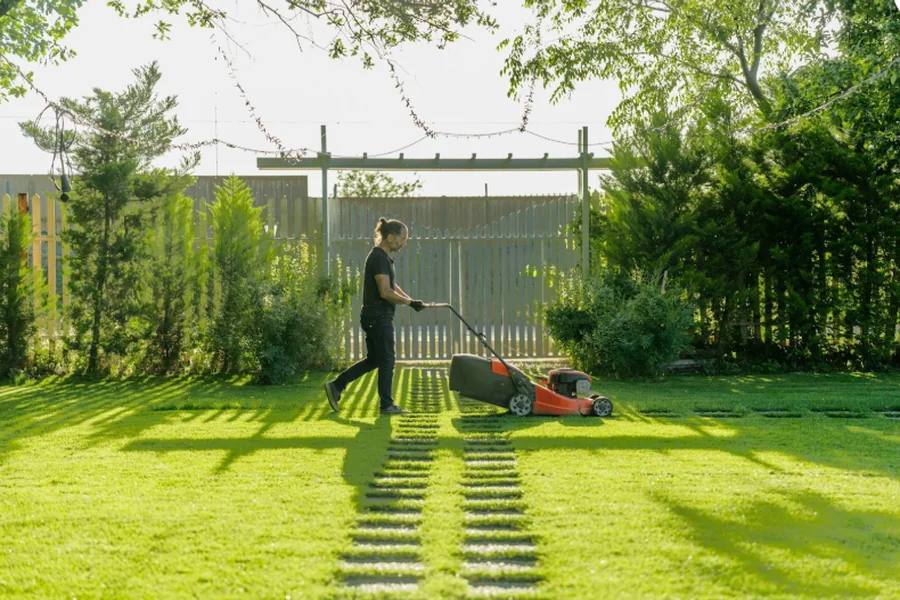
Residential lawn care has changed quietly but significantly over the past decade. What was once treated as a largely instinctive task: mow regularly, water when things look dry, apply treatments when problems appear, has become more knowledge-driven. Many homeowners now begin by seeking guidance rather than guessing, often consulting educational resources such as the Lawn Synergy website to understand grass types, seasonal timing, and maintenance fundamentals before taking action. This shift reflects a broader recognition that healthy lawns are built through informed decisions made over time, not reactive fixes.
The growing emphasis on education hasn’t made lawn care more complicated; it has made it more predictable. When homeowners understand why lawns behave the way they do, outcomes become easier to manage and less dependent on trial and error.
From Habit-Based Care to Informed Planning
For years, lawn care habits were passed down informally. Advice came from neighbours, family members, or generic instructions on product packaging. While some of that guidance worked, it often ignored regional differences in climate, soil type, and grass species.
Education has begun to fill those gaps. Instead of copying routines that worked elsewhere, homeowners are learning to assess their own conditions first. Planning now includes understanding soil temperature, sunlight exposure, and seasonal growth cycles before deciding what actions make sense.
This shift reduces wasted effort. Lawns planted, fed, or treated at the right time respond more efficiently, while poorly timed interventions tend to create new problems.
Why Lawn Problems Are Rarely Sudden
Most visible lawn issues appear suddenly but develop gradually. Patchy growth, weed outbreaks, or thinning turf often trace back to decisions made months earlier. Education helps connect those dots.
When homeowners understand how early-season choices influence summer performance, lawn care becomes more proactive. Instead of responding to symptoms, they focus on underlying causes such as root health, soil structure, and seasonal stress tolerance.
This cause-and-effect understanding is one of the most significant benefits education brings to residential lawn care.
Understanding Grass as a Living System
A major shift in perspective comes from recognising lawns as living systems rather than static surfaces. Grass responds continuously to environmental cues like temperature, moisture, and daylight length.
Education helps homeowners see why grass behaves differently throughout the year. Growth slows during stress periods, accelerates during optimal conditions, and prioritises root development at certain stages. This understanding discourages overcorrection, such as excessive watering or feeding during times when grass cannot effectively use those inputs.
By aligning care practices with natural growth patterns, lawns become more resilient with fewer interventions.
The Role of Timing in Long-Term Lawn Health
One of the most common lessons emerging from educational lawn resources is the importance of timing. When to plant, feed, mow, or treat a lawn often matters more than what products are used.
Educational guidance emphasises planting during biologically favourable windows, allowing roots to establish before environmental stress arrives. It also explains why certain treatments are effective only when applied within specific temperature or growth ranges.
This timing-focused approach reduces frustration and helps homeowners understand why well-intentioned actions sometimes fail when applied at the wrong moment.
Regional Awareness Replacing One-Size-Fits-All Advice
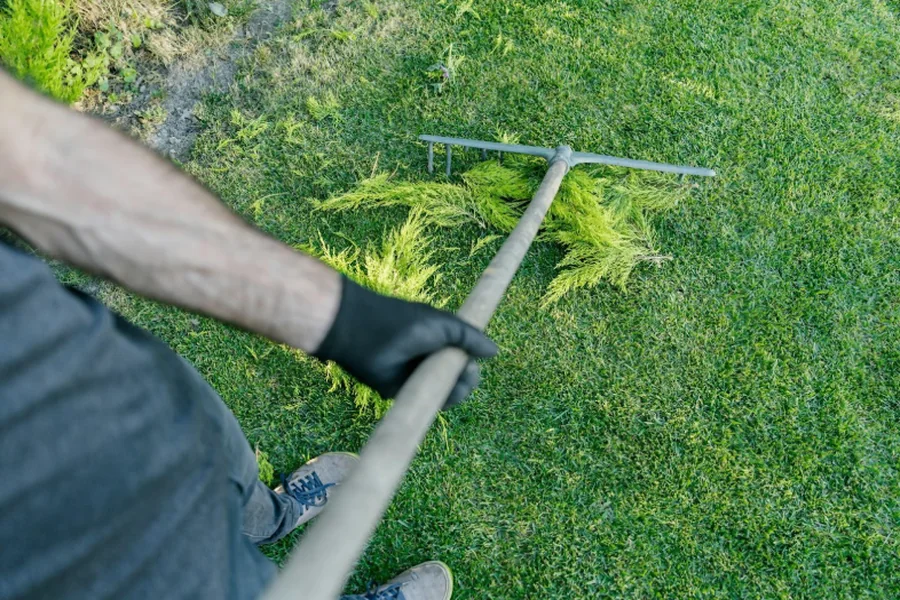
Another key benefit of lawn education is improved regional awareness. Climate, rainfall patterns, and soil composition vary widely, even within the same state or province. Advice that works in one region may be ineffective or harmful in another.
Educational resources increasingly account for these differences, helping homeowners interpret general guidance through a local lens. Understanding whether a lawn consists of cool-season or warm-season grass, for example, changes how spring and fall care should be approached.
This localisation reduces unnecessary treatments and encourages practices better suited to long-term sustainability.
Education as a Tool for Reducing Overuse
As knowledge increases, overuse often declines. Homeowners who understand how lawns grow tend to apply fewer inputs more effectively. Watering becomes targeted rather than excessive, fertiliser is applied based on growth needs rather than schedules, and treatments are chosen with greater restraint.
This has environmental benefits as well. Reduced runoff, lower chemical use, and improved soil health align residential lawn care with broader sustainability goals without sacrificing appearance or function.
The Connection Between Education and Lawn Resilience
Resilient lawns are not created through constant intervention. They develop through strong root systems, balanced soil biology, and growth cycles that align with local conditions.
Education empowers homeowners to support these foundations rather than disrupt them. Instead of chasing short-term appearance, they focus on durability, recovery, and long-term performance. Lawns managed with this mindset are better equipped to handle drought, heat, foot traffic, and seasonal transitions.
What Research Shows About Knowledge-Driven Lawn Care
Research-backed guidance consistently supports education-first approaches. According to turfgrass management and residential land care research from the United States Department of Agriculture, lawn outcomes are strongly influenced by timing, soil health, and appropriate species selection. These factors consistently outweigh the impact of individual products when it comes to long-term lawn success.
This research reinforces what many homeowners are discovering firsthand: informed decisions reduce maintenance demands and improve results.
Education Is Becoming the New Baseline
The growing role of education in residential lawn care reflects a broader shift in how people approach home maintenance. Just as homeowners now research heating systems, insulation, or energy efficiency, lawn care is increasingly guided by understanding rather than habit.
This doesn’t remove the need for products or services, but it reframes how they are used. Education provides context, helping homeowners choose actions that make sense for their specific lawn rather than relying on generic solutions.
As access to reliable information improves, residential lawns are becoming healthier, more resilient, and easier to maintain. Not because homeowners are doing more, but because they’re doing the right things at the right time.