
The Hidden Liability of Ignored Commercial Gutter Maintenance
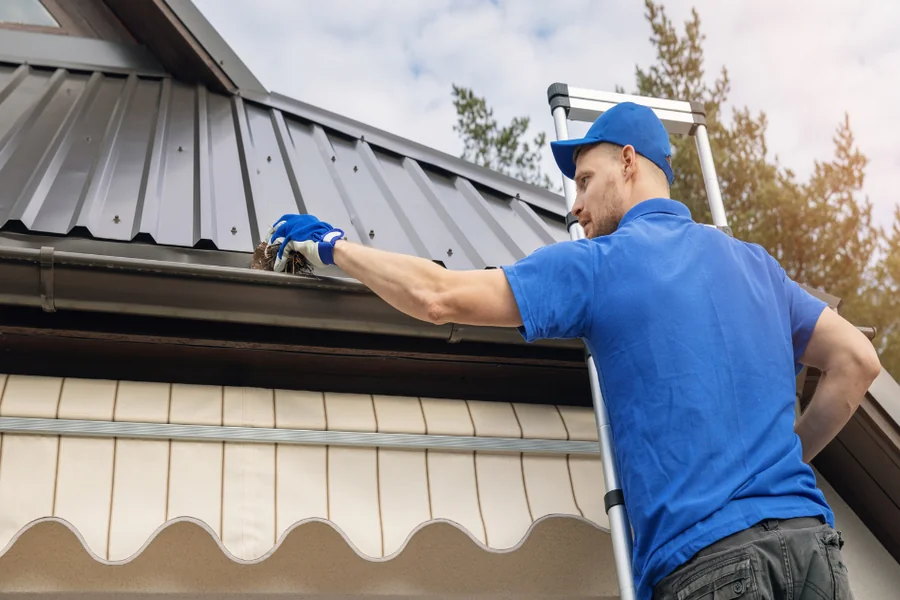
A property manager in a mid-sized office complex once dismissed a small leak in the lobby ceiling as a minor roof issue. Three months later, that “minor” problem turned into a $47,000 repair bill, a slip-and-fall lawsuit from a tenant, and a denied insurance claim. The root cause? A clogged gutter system that hadn’t been inspected in over two years.
Stories like this play out across commercial properties more often than most owners realize. Gutters are rarely the first thing on a maintenance budget, but neglecting them creates a chain of risks that hit your bottom line, your tenants, and your legal standing.
Let’s break down why commercial gutter maintenance deserves a much bigger seat at the property management table.
Why Gutters Carry More Weight in Commercial Buildings
Commercial roofs handle dramatically more water volume than residential ones. A 20,000-square-foot rooftop can shed tens of thousands of gallons during a single storm. That’s a serious amount of water that needs somewhere to go.
Roof drainage systems for commercial buildings are designed with this scale in mind. When even one section of that system fails, the consequences multiply quickly across a much larger footprint than a typical home would face.
The Drainage Chain Reaction
Commercial gutters connect to downspouts, scuppers, and underground drainage networks. A single blockage upstream can back up the entire system, sending water cascading where it was never meant to go.
This is why gutter performance isn’t just a roofing issue, it’s a building-wide concern.
The Hidden Liabilities Property Managers Overlook
Most property maintenance liability risks don’t announce themselves. They build quietly, then arrive all at once.
Structural Damage to Foundation, Roofing, and Walls
Overflowing gutters saturate the ground around a building’s perimeter. Over time, this causes soil shifting, foundation cracking, and water infiltration into basements and lower levels.
Walls absorb moisture too. Stucco, brick, and concrete may look durable, but constant water exposure leads to spalling, efflorescence, and eventual structural weakening.
Slip-and-Fall Hazards and Legal Exposure
When gutters overflow onto walkways, parking lots, or entryways, water pools in unexpected places. In colder months, that water freezes into invisible ice patches.
A single slip-and-fall claim from a tenant, customer, or visitor can cost a property owner anywhere from tens of thousands to several hundred thousand dollars in legal fees and settlements. Courts often look at whether maintenance was reasonable and documented, and a neglected gutter system rarely meets that standard.
Mold Growth and Health Compliance Concerns
Trapped moisture inside walls and ceilings creates ideal conditions for mold. In commercial spaces, especially those housing medical offices, restaurants, or daycares, mold isn’t just a nuisance, it’s a regulatory issue.
Health code violations can lead to forced closures, tenant complaints, and reputation damage that’s hard to recover from.
Insurance Claim Denials Due to Poor Maintenance
Here’s something that catches many property owners off guard: insurance policies typically exclude damage caused by neglect. If an adjuster determines that water damage in commercial buildings resulted from clogged or unmaintained gutters, the claim can be denied outright.
That means the full repair cost lands squarely on the owner, no matter how comprehensive the policy seemed on paper.
The Financial Impact on Businesses
Beyond legal and structural concerns, ignored gutters quietly drain commercial budgets in ways that don’t show up until it’s too late.
Unexpected Repair Costs
Foundation repair, roof replacement, drywall remediation, and mold abatement aren’t small line items. A single major water event can run anywhere from $20,000 to well over $100,000 for mid-size commercial buildings.
Tenant Dissatisfaction and Turnover
Leaks, musty smells, and damaged interiors push tenants out the door. Vacancy rates climb, lease renewals stall, and the property’s market value takes a hit.
Business Interruption
When water damage forces partial or full shutdowns, tenants lose revenue, and many lease agreements include clauses that hold the property owner financially responsible for the disruption.
Warning Signs That Get Ignored Too Often
Property managers walk past these signs every week without realizing what they mean:
- Overflowing gutters during moderate rainfall
- Water stains on exterior walls, ceiling tiles, or near windows
- Sagging gutter sections pulling away from the fascia
- Pooling water near the building perimeter or in parking lots
- Rust streaks running down siding or brickwork
- Vegetation or debris visible inside gutter channels
- Cracked or separated downspouts at the base
Spotting two or more of these should trigger an immediate inspection, not a note for next quarter’s review.
Preventive Maintenance Best Practices
Smart property management treats gutters as a recurring line item, not an afterthought. A solid facility maintenance checklist should include the following:
- Routine inspections at least twice a year, ideally before and after the rainy season
- Seasonal cleanings to remove leaves, sediment, and biological buildup
- Post-storm checks after significant weather events
- Professional servicing for hard-to-access multi-story properties
- Documentation of all maintenance to support insurance claims and reduce liability exposure
The cost of preventive care is a fraction of what a single neglected gutter incident can produce.
Why Seamless Gutters Make Sense for Commercial Properties
Sectional gutters have joints every few feet, and those joints are exactly where commercial systems tend to fail. Seamless gutters for commercial buildings eliminate most of those weak points.
The advantages are practical:
- Fewer leaks thanks to continuous construction
- Lower maintenance demands because there are fewer seams to inspect and reseal
- Better durability under heavy water loads
- Cleaner aesthetics that align with professional building exteriors
For owners thinking long-term, the upfront investment typically pays back through reduced repair calls and longer system life.
Choosing the Right Commercial Gutter Partner
Working with experienced specialists changes the equation entirely. Southwest Seamless Rain Gutters has earned a strong reputation among commercial property owners for custom seamless gutter installation, ongoing commercial gutter maintenance services, and long-term water damage prevention.
Their team understands the scale and complexity of commercial drainage demands, which matters when you’re protecting buildings, tenants, and reputations. Partnering with a knowledgeable provider makes the difference between reactive repairs and proactive protection.
Final Thoughts: Treat Gutters as Risk Management, Not an Afterthought
Ignored gutters aren’t just a maintenance gap, they’re a liability sitting quietly on your roofline. The financial, legal, and operational risks compound the longer they go unaddressed, and by the time visible damage appears, the cleanup costs far exceed what regular care would have required.
Forward-thinking property managers and building owners are reframing gutter maintenance as part of broader risk management. Routine inspections, professional cleaning, and modern seamless systems aren’t expenses, they’re protection for assets that took years to build.
The buildings that age well are the ones whose owners paid attention to the details others overlooked. Gutters are one of those details that quietly decide whether your property keeps its value or starts losing it.