
The New Home-Centered Life: Why Everything Now Happens Indoors
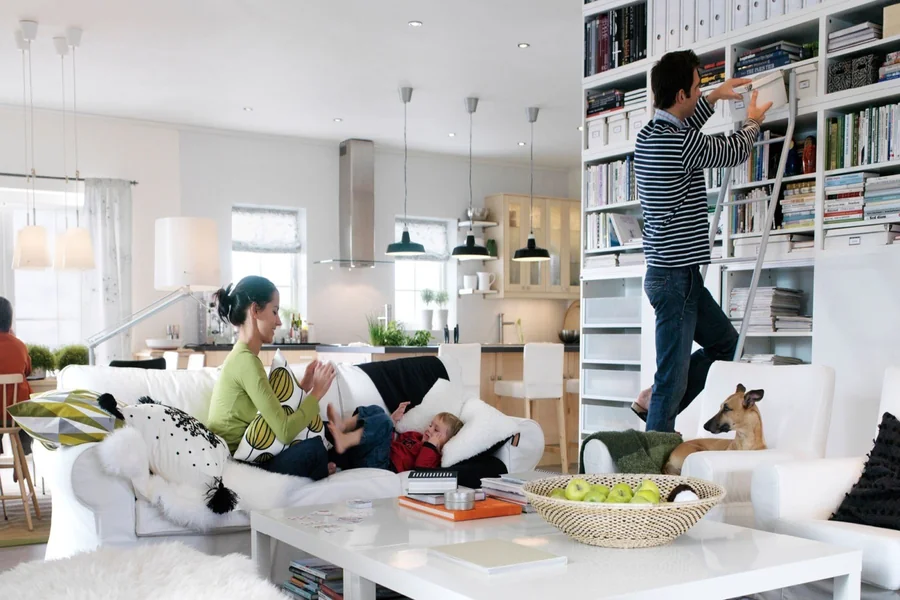
Home used to be simple. You came back late, dropped your bag, slept, and left again the next morning. It wasn’t where life happened. It was where life paused.
That idea doesn’t hold anymore. Not even close.
Somewhere between better internet, changing habits, and a collective need for breathing room, the role of home expanded. Slowly at first. Almost politely. Then all at once. Entertainment moved in. Wellness followed. Work, creativity, even social connection pulled up a chair and stayed.
What’s interesting is how little resistance there was. People didn’t fight this shift. They adapted to it. Or maybe they were already waiting for it.
Now, home isn’t the background of life. It is the setting. The place where decisions happen, moods form, and routines settle in.
This isn’t about people hiding from the world. It’s about people reshaping it—bringing more of it indoors, where things feel manageable, familiar, and, frankly, human.
And once that shift happens, it’s hard to unsee it.
How Entertainment Quietly Moved Inside
Entertainment didn’t disappear from public spaces. It just stopped depending on them.
Streaming platforms replaced schedules with choice. Gaming replaced venues with worlds that fit inside a screen. Online communities stepped in where physical ones felt loud, expensive, or exhausting.
Living rooms became personal theaters. Bedrooms turned into late-night cinemas. Even kitchens host podcasts playing in the background while dinner cooks.
What made this stick wasn’t novelty. It was comfort.
At home, entertainment bends to you. You pause. You rewind. You leave halfway through without explanation. There’s no pressure to enjoy something “correctly” or stay longer than you want.
Control matters more than spectacle now. And that control makes entertainment feel lighter, less demanding, easier to return to again and again.
It’s not smaller. Just closer. And closeness changes how deeply people engage.
Health and Wellness as At-Home Rituals
Wellness followed the same path inward, but for different reasons.
Public fitness spaces can be motivating. They can also be overwhelming. Mirrors, comparisons, expectations. Not everyone thrives in that environment, even if they try to convince themselves they should.
At home, wellness loses the performance layer.
Exercise becomes about movement, not metrics. Skincare routines stretch into slow evenings instead of rushed errands. Mental health practices happen quietly—journals on nightstands, breathing exercises before sleep, short moments that don’t need witnesses.
Private wellness works because it’s repeatable.
Consistency wins over intensity when no one is watching. You miss a day, you return the next. No guilt spiral. No public reset. Just continuation.
It’s not dramatic. But it lasts. And lasting habits quietly shape lives more than bold resolutions ever did.
Fashion Designed for Home Life
Fashion noticed the shift long before many people named it.
Clothing softened. Lines blurred. Loungewear stopped being something you hid and started becoming something you styled.
This wasn’t laziness. It was adaptation.
People dress now for how they feel during the day, not for how they’ll look passing strangers. Outfits are chosen for comfort during long hours indoors, for camera frames on video calls, for mirrors that catch reflections while making coffee.
There’s also less urgency. Fewer rules.
Style didn’t disappear indoors. It became more personal, more forgiving. More tied to mood than occasion.
There’s less need to perform. Less pressure to signal status. More space to experiment quietly, without commentary.
When the audience fades, authenticity gets louder.
The Home as a Personal Production Space
Homes didn’t just absorb consumption. They became places of output.
Spare rooms turned into studios. Desks appeared in corners. Creative projects—once postponed for “someday”—started happening between walls that felt safe enough to try.
Content creation, side businesses, hobbies, experiments. All of it fits inside modern home life now.
As this kind of indoor digital activity grows, people naturally look for context. They research outcomes, not just inspiration. Rankings and public data—like those compiled at https://onlymonster.ai/blog/top-onlyfans-earners/ — help people understand how visibility, consistency, and platform dynamics translate into measurable success for creators working primarily from home.
This curiosity isn’t shallow. It’s practical.
Seeing what’s possible changes how people view their own space. A bedroom stops feeling small when you realize what others have built from theirs.
Possibility reshapes motivation. Quietly, but effectively.
Privacy, Control, and the Appeal of Staying In
There’s a psychological reason staying in feels different now.
Privacy used to mean isolation. Today, it means choice.
At home, social interaction happens on your terms. You decide when to engage, when to mute, when to disappear for an evening without explanation. That autonomy reduces pressure in subtle ways.
Noise lowers. Expectations soften. Energy stretches further.
For introverted people, this shift feels like relief. For everyone else, it feels like discovering a pace that was always possible but rarely allowed.
Staying in isn’t avoidance anymore. It’s calibration.
And that reframing matters. Because once people realize they can design their social and emotional exposure, they’re less likely to burn out trying to keep up.
Designing Homes for a Fuller Life
As behavior changed, homes had to keep up.
Single-purpose rooms started to feel limiting. Flexibility became the priority. Furniture moved. Lighting adjusted. Sound and privacy gained importance.
A table needs to work for meals, work, and creativity. A room might shift roles three times a day. Spaces are expected to adapt, not dictate behavior.
Design became emotional as much as functional.
Homes now reflect identity—routines, moods, values—rather than status. They support how people actually live, not how spaces are traditionally “supposed” to be used.
The result isn’t perfection. It’s alignment. And alignment makes daily life feel quieter, easier, more sustainable.
Conclusion
Modern life no longer orbits offices, venues, or constant movement. It doesn’t depend on being seen everywhere, all the time.
Instead, the center has moved inward.
Homes now support entertainment, wellness, creativity, work, and expression—often simultaneously. They’ve become places where life doesn’t pause, but unfolds at a manageable pace.
Understanding this shift explains more than changing habits. It explains why people feel different about success, connection, and comfort.
The world didn’t shrink.
It just came home.