
The Role of Physiotherapy in Preventing Knee Injuries
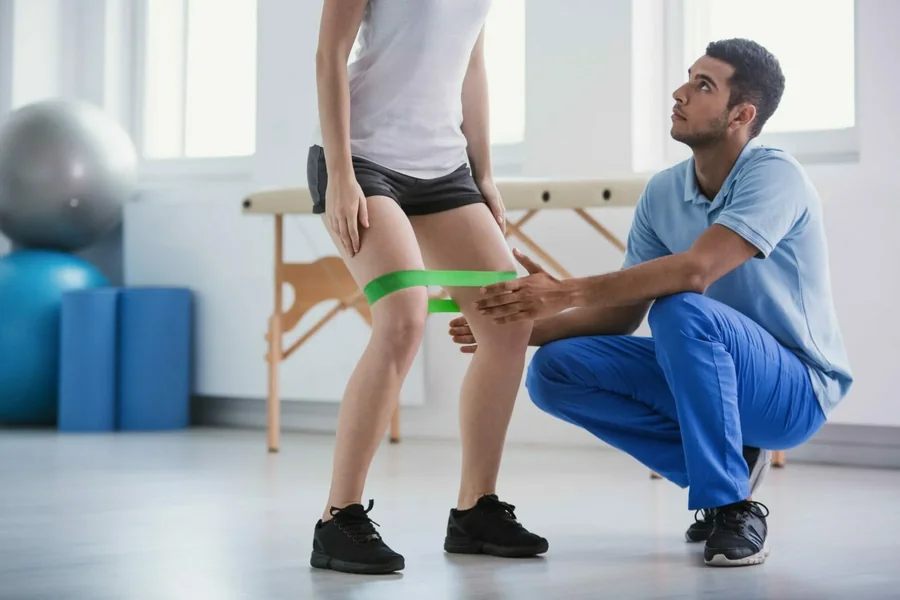
Knee injuries are one of the most common musculoskeletal problems affecting people of all ages. From athletes and fitness enthusiasts to office workers and older adults, knee pain and injuries can significantly limit mobility and quality of life. While many people seek treatment only after an injury occurs, physiotherapy plays a crucial role in preventing knee injuries before they happen.
Why Knee Injuries Are So Common
The knee joint bears a large portion of the body’s weight and is involved in nearly every movement such as walking, running, climbing stairs, and bending. Poor posture, muscle imbalance, lack of flexibility, weak core muscles, and improper movement patterns can all increase the risk of knee injuries. Without early intervention, these issues may lead to chronic pain, ligament damage, or long-term joint problems.
How Physiotherapy Helps Prevent Knee Injuries
Physiotherapy focuses on improving strength, flexibility, joint stability, and movement mechanics. Rather than just addressing symptoms, physiotherapists identify underlying risk factors that can lead to injury.
Through professional assessment and guided treatment, physiotherapy for knee pain helps correct muscle imbalances, improve alignment, and enhance joint control. This proactive approach reduces stress on the knee joint and minimizes the likelihood of injury during daily activities or sports.
Strengthening and Muscle Balance
One of the key aspects of knee injury prevention is strengthening the muscles that support the joint. Weak quadriceps, hamstrings, glutes, or hip muscles can place excessive strain on the knees. Physiotherapy programs include targeted strengthening exercises that improve joint support and stability.
Balanced muscle strength ensures that the knee moves efficiently and safely, reducing wear and tear over time.
Improving Flexibility and Mobility
Tight muscles around the hips, thighs, and calves can alter knee movement and increase injury risk. Physiotherapy incorporates stretching and mobility exercises to improve flexibility and maintain a healthy range of motion. This allows the knee joint to move freely without unnecessary stress.
Correcting Movement Patterns
Poor posture and improper movement techniques—such as incorrect squatting, running, or lifting—are common causes of knee injuries. Physiotherapists assess movement patterns and provide corrective training to improve body mechanics. Learning how to move correctly can significantly reduce strain on the knees during everyday activities and physical exercise.
Preventing Sports and Activity-Related Injuries
Athletes and active individuals are particularly prone to knee injuries due to repetitive stress and high-impact movements. Physiotherapy helps by enhancing coordination, balance, and neuromuscular control. Injury-prevention programs are often tailored to specific sports or activity levels, helping individuals perform safely and efficiently.
Choosing Professional Physiotherapy Care
Early consultation with a licensed physiotherapy clinic ensures that potential knee issues are addressed before they develop into serious injuries. Clinics such as Align Health physiotherapy in Abu Dhabi focus on personalized assessment, preventive care, and evidence-based treatment approaches to support long-term joint health.
Long-Term Benefits of Preventive Physiotherapy
Preventive physiotherapy not only reduces the risk of knee injuries but also improves overall mobility, posture, and physical performance. By maintaining joint health and muscular balance, individuals can stay active, avoid chronic pain, and reduce the need for surgical intervention in the future.
Conclusion
Physiotherapy plays a vital role in preventing knee injuries by strengthening muscles, improving flexibility, correcting movement patterns, and enhancing joint stability. Seeking early guidance and incorporating preventive care into your routine can protect your knees and support an active, pain-free lifestyle. Whether you are managing early discomfort or aiming to prevent future problems, physiotherapy is a proactive and effective solution for long-term knee health.