
The Role of Proper Installation in Reducing AC Repairs
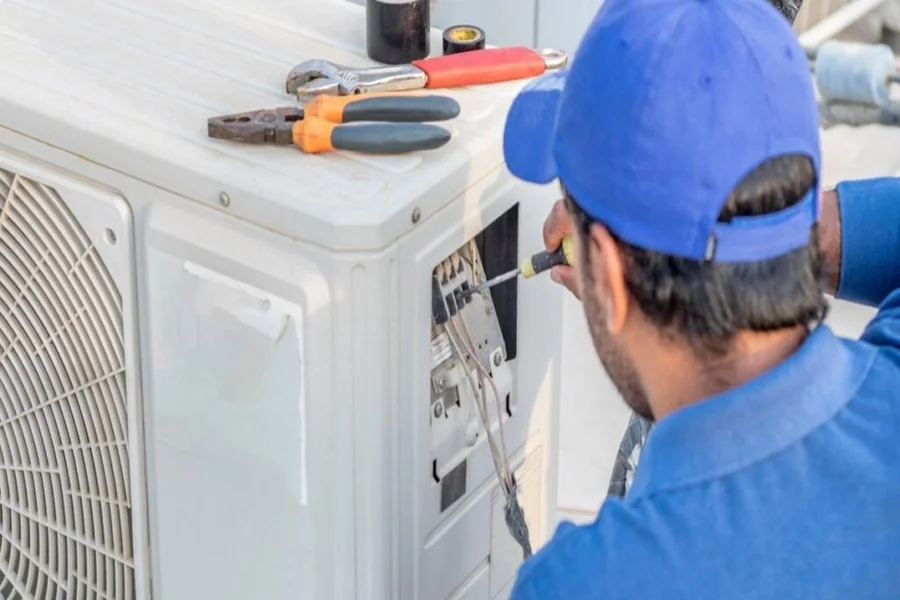
Air conditioning systems are essential for maintaining comfort, especially during periods of extreme heat. However, many homeowners experience premature system failures, frequent repairs, or reduced performance, not because of poor equipment but because of improper installation. Even the most advanced unit cannot operate efficiently if it is incorrectly set up. Proper installation affects every aspect of an air conditioner’s operation—from airflow and refrigerant levels to overall energy efficiency. Ensuring that the system is correctly sized, sealed, and balanced helps prevent long-term problems, minimizes maintenance costs, and extends the equipment’s lifespan.
Why Installation Quality Matters
An air conditioner’s performance depends heavily on how well it is installed rather than just the brand or model. Improper installation often leads to airflow obstructions, refrigerant leaks, or system imbalance, all of which contribute to inefficient operation and frequent repairs. When ductwork is incorrectly sized or not properly sealed, the unit struggles to deliver consistent cooling throughout the home. Similarly, incorrect refrigerant charging can cause the compressor to overheat, reducing its life expectancy. A well-installed system, on the other hand, ensures that every component—from the evaporator coil to the thermostat—is perfectly aligned to maintain smooth operation. This initial attention to detail prevents system stress, ensuring it runs efficiently and quietly. Proper installation lays the foundation for reliable, long-term air conditioning performance, reducing the risk of early breakdowns and unnecessary repair costs.
Precision Setup and Long-Term Savings
Correct installation not only ensures comfort but also helps prevent costly repairs caused by recurring mechanical issues. When an air conditioner is carefully calibrated and securely mounted, it operates under optimal conditions, requiring less energy and experiencing fewer component failures. Incorrect leveling or placement can cause vibrations, leaks, or drainage problems that escalate into serious malfunctions over time. Technicians who understand the importance of precision ensure that the refrigerant charge, electrical connections, and airflow are all perfectly balanced. This level of detail allows the system to cool more efficiently while using less power, keeping energy bills low and extending service life. Homeowners seeking long-term reliability often turn to trusted providers such as AC repair in Kershaw by Urgent Air Services, where proper setup ensures smooth operation from the start. Investing in accurate installation ultimately means saving money through fewer repairs and better performance for years to come.
Avoiding System Stress and Early Failure
One of the most common results of improper installation is unnecessary strain on the system. When an air conditioner is undersized or oversized, it runs in irregular cycles, which can prematurely wear out parts. Short cycling—frequent on-and-off operation—causes the compressor and fan to experience constant stress, leading to early failure. Conversely, a unit that runs too long because of poor airflow or improper sizing may overheat and lose efficiency over time. Proper installation prevents these issues by ensuring that the equipment’s capacity matches the home’s cooling requirements. It also ensures that ducts, vents, and electrical components work together to evenly distribute cool air without overburdening any single component. By reducing mechanical stress, installation quality directly translates into fewer repair calls and a more dependable cooling experience during peak summer temperatures.
Energy Efficiency and Environmental Benefits
A correctly installed air conditioner not only lasts longer but also consumes significantly less energy. When refrigerant levels and airflow are balanced, the system doesn’t have to work as hard to achieve the desired temperature. This results in lower energy consumption and reduced greenhouse gas emissions. Poorly installed systems, however, leak energy through gaps or improper sealing, forcing the compressor to operate continuously and driving up utility bills. By ensuring that ducts are airtight and that insulation is properly applied, technicians help maintain consistent performance with minimal energy waste. The impact extends beyond household comfort—proper installation supports environmental sustainability by optimizing power use and reducing the strain on the electrical grid. This efficiency-focused approach allows homeowners to enjoy comfort while lowering both operational costs and their carbon footprint.
Improving Indoor Air Quality and Comfort
Proper installation affects more than just mechanical function—it directly influences indoor air quality and overall comfort. When the system is properly sealed and balanced, it filters air effectively, removing dust, allergens, and moisture that contribute to poor indoor air quality. In contrast, poorly installed systems can create pressure imbalances that draw contaminants from attics or crawlspaces into the living area. Correctly fitted ducts and calibrated airflow ensure that each room receives uniform cooling, eliminating hot or cold spots. Furthermore, proper installation reduces noise and vibration, creating a quieter, more comfortable home environment. By precisely controlling humidity and airflow, a well-installed AC system promotes healthier air circulation and better living conditions for occupants year-round.
The Importance of Professional Calibration
Even after physical installation, proper calibration determines how well the system performs over time. This involves setting correct refrigerant pressures, thermostat programming, and airflow levels to match the home’s layout and climate demands. Technicians use advanced tools to measure performance metrics and verify that the system meets manufacturer specifications. Skipping this step often leads to inefficiencies that go unnoticed until the first energy bill arrives or cooling performance declines. Proper calibration ensures that the system operates smoothly from day one, maximizing both energy efficiency and mechanical durability. It’s a critical step that transforms installation from a simple setup into a long-term performance investment. When done correctly, it can significantly delay the need for repair services and reduce operational costs throughout the unit’s lifetime.
Proper air conditioner installation is not just the starting point of comfort—it is the key to avoiding future repair headaches. When every component is accurately positioned, sealed, and calibrated, the system runs more efficiently, lasts longer, and provides cleaner, more consistent air. Homeowners who invest in quality installation enjoy lower energy bills, fewer mechanical issues, and greater overall reliability. This foundation of precision and care helps prevent the stress and expense of repeated breakdowns while supporting a healthier indoor environment. Over time, proper installation proves to be the most cost-effective and dependable way to ensure year-round comfort and long-term performance from any air conditioning system.