
Using AI and IoT to Monitor and Predict Electrical Faults
Electrical faults rarely happen without warning. Wires heat up slowly. Connections loosen over time. Loads increase as buildings add more devices. The problem is not that warnings don’t exist. It’s that most people can’t see them.
This is where AI and IoT are changing the way electrical systems are managed. Instead of waiting for something to fail, modern systems now watch, learn, and predict. They turn invisible risks into visible data and give property owners time to act before damage occurs.
Why traditional fault detection falls short
For decades, electrical faults were found after something stopped working. A circuit trips. A breaker fails. A smell appears. By the time these signs show up, damage is already underway.
Traditional inspections are helpful, but they happen at fixed times. Between those checks, systems are left on their own. If conditions change quickly, problems can grow unnoticed.
AI and IoT fill that gap by monitoring systems continuously.
What IoT monitoring looks like in real buildings
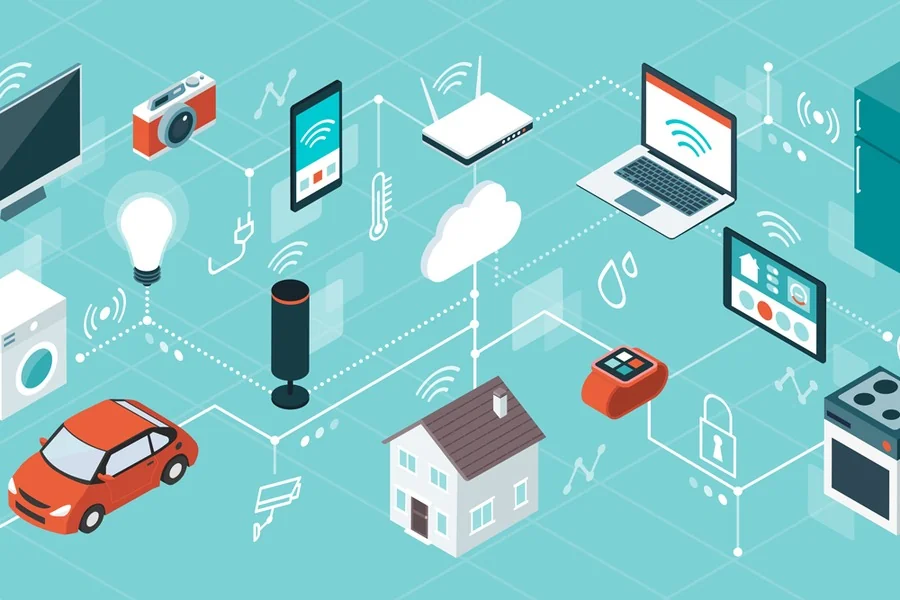
IoT devices are small sensors placed at key points in an electrical system. They track things that humans can’t easily sense.
These devices often monitor:
- voltage levels
current flow - temperature changes
- power quality
- load patterns
The data is sent in real time, creating a live picture of system health.
How AI turns data into predictions
Raw data alone doesn’t prevent faults. This is where artificial intelligence plays a role.
AI systems study patterns over time. They learn what “normal” looks like for a specific building. When something changes, the system notices.
For example:
- a cable heating faster than usual
- a circuit drawing more power than before
- irregular voltage spikes
AI doesn’t just flag problems. It predicts where faults are likely to develop next.
From reactive repairs to preventive action
The biggest shift AI and IoT bring is timing.
Instead of responding to failures, property owners can:
- schedule repairs early
- replace components before breakdown
- avoid emergency outages
- reduce downtime
This approach saves money and prevents disruption.
Why prediction matters more than detection
Detecting a fault means it already exists. Predicting a fault means it can be stopped.
Prediction helps with:
- fire prevention
- equipment protection
- energy efficiency
- safety compliance
The earlier an issue is addressed, the smaller its impact.
Applications in homes, offices, and industry
AI-based monitoring is no longer limited to large factories. It’s moving into everyday buildings.
In homes, it supports:
- smart switchboards
- solar system monitoring
- load balancing
In offices and commercial spaces, it helps manage:
- peak demand
- equipment wear
- safety reporting
In industrial settings, it protects:
- machinery
- production uptime
- worker safety
The technology scales with the building.
The role of human expertise
AI does not replace skilled professionals. It supports them.
When systems flag risks, trained electricians interpret the data and take action. Technology points to the problem. Humans decide the solution.
Many property owners still rely on an Electrician Perth businesses trust to turn digital insights into safe, practical upgrades.
Reducing false alarms and unnecessary work
One concern with monitoring systems is alert fatigue. Too many warnings can lead to ignored signals.
Modern AI systems reduce this by:
- learning normal behaviour
- filtering noise
- prioritising real risks
This keeps alerts meaningful and actionable.
Improving compliance and documentation
Electrical compliance often requires proof. AI and IoT systems automatically create records.
They provide:
- system performance logs
incident histories - maintenance data
This documentation helps during inspections, audits, and insurance reviews.
Energy efficiency as a side benefit
Fault prediction also improves energy efficiency. Systems that run smoothly waste less power.
Benefits include:
- reduced heat loss
- balanced loads
- fewer power spikes
Efficiency improvements lower costs while extending system life.
Cybersecurity and system safety
Connected systems must be protected. Secure design is essential.
Good setups include:
- encrypted data transfer
- restricted access
- regular updates
When managed properly, the benefits far outweigh the risks.
Barriers to adoption
Despite the benefits, adoption can be slow.
Common concerns include:
- upfront cost
- lack of understanding
- fear of complexity
As systems become simpler and more affordable, these barriers continue to fall.
The future of electrical maintenance
The future is quiet. Systems that predict faults don’t draw attention. They simply prevent problems.
As AI improves, predictions will become more precise. Maintenance will shift from emergency response to routine prevention.
Buildings will become safer without anyone noticing why.
Why early adopters gain an advantage
Property owners who adopt monitoring early gain:
- fewer failures
- lower maintenance costs
- better system reliability
Over time, this advantage compounds.
Human trust in smart systems
Trust grows when systems prove themselves. When alerts prevent real issues, confidence follows.
The goal isn’t automation for its own sake. It’s reliability.
Final thoughts
AI and IoT are changing electrical systems from silent risks into monitored assets. By watching patterns and predicting faults, these tools give people control over problems that once arrived without warning.
The result is safer buildings, fewer emergencies, and smarter maintenance. Technology doesn’t remove the need for human skill. It sharpens it.
Electrical systems may still be hidden behind walls, but they no longer have to be invisible.