
Why do HVAC Contractors Review Past Repairs Before Making New Fixes?
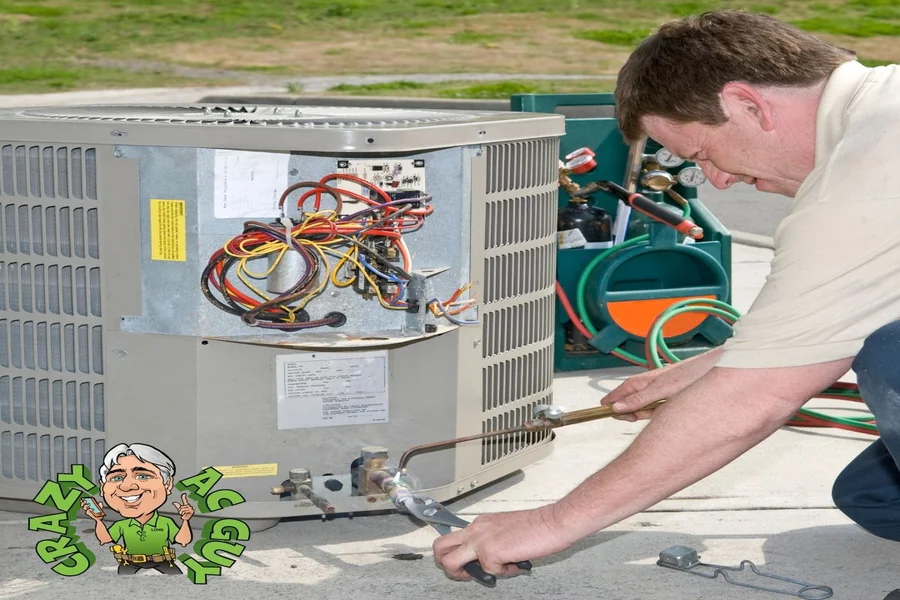
Heating and cooling systems may look quiet and mechanical, but they carry a history. Each service call, adjustment, replaced part, and thermostat change leaves traces in how the system performs afterward. When a new problem shows up, it is rarely isolated from what came before. HVAC contractors review past repairs because that history helps them diagnose more quickly, avoid repeating ineffective work, and choose fixes that fit the system’s actual condition. A furnace that has cycled too hard for years, or an air conditioner that has been recharged repeatedly, will behave differently than a unit with consistent, routine maintenance. Repair records provide context that turns symptoms into a story with causes.
From service history to smarter repairs
1. Diagnosing Patterns Instead of Chasing Symptoms
A single complaint, like “the house won’t cool,” can stem from many causes, and past repairs narrow the field quickly. Contractors look for repeated issues such as low airflow, frequent capacitor replacements, recurring refrigerant adjustments, or persistent thermostat complaints. These patterns show whether a problem is new or whether it has been building for months. If a blower motor was replaced recently, for example, a current airflow issue might point to duct restrictions or poor filter habits rather than the motor itself. If a coil was cleaned last season, yet the system still freezes, the cause may be airflow balance or refrigerant control rather than dirt. By studying history, contractors reduce guesswork and focus on root causes that explain recurring issues, saving time and lowering the risk of short-lived fixes.
2. Preventing Repeat Repairs and Unnecessary Part Swaps
Reviewing prior repairs also protects customers from paying for the same correction twice. When a contractor sees a record of repeated part changes, it often signals that a deeper issue was never addressed. A contactor that fails repeatedly may indicate electrical wear, voltage irregularities, or high cycling due to control settings. A flame sensor cleaned repeatedly may hint at combustion issues, venting problems, or maintenance intervals that repeatedly return the system to the same failure point. Even small notes matter, like whether a drain line was cleared multiple times or a thermostat was replaced, yet comfort problems stayed. Companies such as Lighthouse Mechanical Heating and Cooling often use these histories to steer repairs away from quick fixes and toward solutions that address the root cause of the failure. This approach reduces disruption and improves long-term reliability.
3. Understanding How the Building Changed Over Time
A system’s repair history often reveals changes in the building that influence comfort and performance. Renovations, insulation upgrades, new windows, added rooms, or even a remodeled basement can alter airflow and heating or cooling loads. If past notes show that a homeowner complained about one room after an addition, that change matters when diagnosing today’s issues. Contractors reviewing prior calls can track how the system responded to these building shifts and whether previous solutions were matched to the new layout. Sometimes the HVAC system was sized for the original home, and later changes pushed it into frequent cycling or uneven temperatures. By connecting repairs to building changes, contractors can identify when the solution should involve duct adjustments, balancing, control changes, or capacity changes rather than repeated repairs to the same component.
4. Matching New Fixes to Existing System Decisions
Past repairs also reveal the decisions made about the system’s design and setup. Contractors review the type of refrigerant in use, whether the system was converted, which parts were installed, and whether the equipment has been modified from its original configuration. A new fix must fit with those existing decisions. If a system has a history of refrigerant additions, the contractor may prioritize leak testing and pressure evaluation before recommending another recharge. If the blower speed was adjusted in the past, that change might explain current humidity issues or noise. Records can also reveal whether a control board was replaced with a universal option, which might affect diagnostics today. By aligning new work with the system’s existing setup, contractors reduce the risk of compatibility issues and avoid undoing intentionally chosen prior configurations.
5. Improving Communication and Building Trust
When contractors reference repair history, it strengthens communication with the customer because recommendations are grounded in what has already happened. Instead of sounding like a guess, the explanation becomes a logical chain: what was done, what improved, what returned, and why a different approach makes sense now. This transparency is useful for homeowners deciding between repair and replacement, especially when repair costs have piled up across multiple visits. History helps clarify whether the system is facing a one-time failure or a recurring decline. It also helps set expectations for what a repair can realistically achieve, reducing frustration later. Customers tend to feel more confident when they hear that a contractor reviewed past notes, tested current conditions, and chose a fix that accounts for the system’s track record.
6. Using Data to Protect Efficiency and Comfort
Past repair records often include efficiency clues that matter for today’s comfort and energy use. Frequent cycling, repeated airflow complaints, recurring clogged filters, or ongoing drain issues can all point to performance inefficiencies that worsen over time. Contractors use history to identify whether the system has been operating under strain and whether that strain is likely to continue unless underlying causes are corrected. A system that runs longer than it should may signal duct leakage, poor insulation, or an equipment mismatch. A system that cools quickly but feels clammy may reflect short cycles that never manage humidity properly. When contractors see these patterns across service records, they can recommend solutions that improve comfort while reducing waste, such as sealing ducts, balancing airflow, or adjusting controls to stabilize runtimes.
7. A Clear Lesson from Repair History
Repair history turns scattered breakdowns into a map. It shows what has already been tried, what temporarily worked, and what never addressed the deeper cause. That map helps contractors avoid repeating the same actions while guiding them toward fixes that match the system’s true condition. Even a simple detail—like how often a float switch trips or how frequently a capacitor fails—can shift the diagnosis toward the real driver of the problem.
Smarter Fixes Start with Looking Back
HVAC contractors review past repairs before making new fixes because history reduces guesswork and leads to more durable results. Service records reveal patterns, highlight recurring causes, and show how building changes and prior decisions shaped system behavior. This context helps contractors prevent repeat repairs, choose compatible solutions, and explain recommendations in a way that builds trust. When repair history is used well, each new service call becomes more efficient and more targeted, with less trial-and-error and fewer unnecessary part swaps. Looking back is not about dwelling on the past; it is about using evidence to make the next fix more reliable, more cost-effective, and better aligned with comfort needs.