
Why Flowers Are the Most Timeless Romantic Valentine’s Day Gift
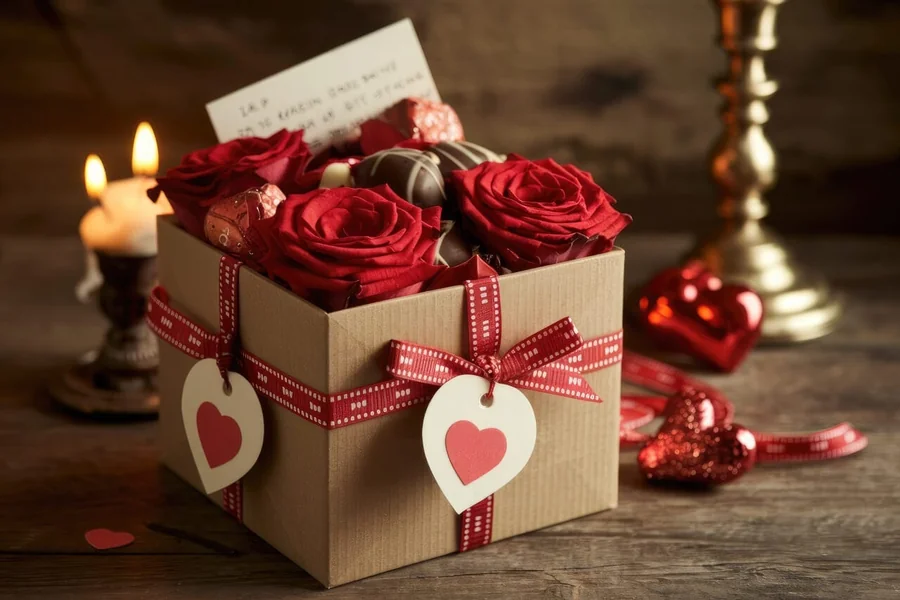
Valentine’s Day has always been about emotion. It is a moment in the year when people step away from routine to express love, admiration, and connection. While gift trends change with time, some gestures remain deeply rooted in tradition. Flowers are one of those rare gifts that have never lost their romantic significance. Across cultures, generations, and relationships, flowers continue to be the most timeless way to say “I love you.”
The beauty of flowers lies not only in their appearance but in what they represent. They capture feelings that words often struggle to express. They offer romance without pressure, elegance without excess, and meaning without explanation. These qualities are what make flowers the ultimate Valentine’s Day gift, no matter how times change.
A Romantic Tradition That Spans Centuries
Flowers have symbolized love for thousands of years. Ancient civilizations used flowers in celebrations, rituals, and romantic offerings. In Greek mythology, roses were linked to Aphrodite, the goddess of love and desire. This association helped cement the rose as a symbol of romance that still holds strong today.
During the Victorian era, flowers became even more meaningful through the language of floriography. Because open expressions of emotion were often discouraged, people relied on flowers to communicate their feelings. Each bloom carried a specific message. Red roses symbolized passionate love, white lilies represented purity, and violets expressed loyalty. Giving flowers was not just a gift but a carefully chosen statement.
This historical connection adds depth to the modern act of gifting flowers. When someone gives flowers on Valentine’s Day today, they are participating in a tradition that has endured for centuries, carrying the same emotional weight it always has.
Flowers Speak Without Words
One of the most powerful aspects of flowers is their ability to communicate universally. Love does not need translation, and flowers are understood across languages and cultures. A bouquet can express passion, tenderness, appreciation, or devotion instantly.
Different flowers allow for personal expression. Roses remain the classic symbol of romantic love, but tulips often represent perfect or enduring love. Orchids suggest admiration and strength, while peonies are associated with romance and prosperity. Even color choices play a role, with red symbolizing passion, pink representing affection, and white conveying sincerity.
Because of this symbolism, flowers feel deeply personal even when no words are spoken. They allow the giver to express emotion in a way that feels sincere and heartfelt.
The Emotional Experience of Receiving Flowers
Receiving flowers creates a powerful emotional response. The surprise itself often brings joy and excitement, while the gesture reinforces feelings of being valued and loved. Flowers have a way of making people feel special in a way few other gifts can.
Unlike gifts that are quickly consumed or set aside, flowers remain present. They are often displayed prominently in homes or workplaces, serving as a daily reminder of affection. Each glance at the bouquet brings back the moment it was received and the emotions attached to it.
Scent also plays an important role. Fragrance is closely tied to memory, and the smell of fresh flowers can trigger emotional responses long after Valentine’s Day has passed. This sensory connection makes flowers a gift that lingers both physically and emotionally.
Thoughtfulness Over Extravagance
Flowers are timeless because they emphasize intention rather than cost. They show care without requiring extravagance. A thoughtfully chosen bouquet often means more than an expensive item that lacks personal connection.
Selecting flowers based on a partner’s preferences, favorite colors, or shared memories adds a layer of intimacy that cannot be replicated by generic gifts. Even a simple arrangement can feel incredibly meaningful when it reflects genuine attention and love.
Flowers also remove the pressure that sometimes accompanies Valentine’s Day gifting. They communicate affection naturally, without expectations or comparisons. This simplicity is part of their enduring charm.
Perfect for Every Stage of Love
Flowers suit every type of relationship. For new couples, they offer romance without overwhelming intensity. They are a graceful way to express interest and admiration without pressure.
For long term partners, flowers can reignite romance and serve as a reminder of the love that has grown over time. They help keep emotional expression alive, even in relationships that have settled into comfortable routines.
Flowers are also appropriate beyond traditional romantic relationships. They can be given to spouses, partners, close companions, or even as a gesture of self love. Their flexibility makes them universally relevant.
Modern Convenience Meets Classic Romance
While the meaning of flowers remains traditional, the way people choose them has evolved. Online floral collections now make it easier than ever to find arrangements that suit individual tastes and lifestyles. This convenience has helped keep flowers relevant in modern Valentine’s Day celebrations.
Many people searching for romantic gifts naturally explore curated selections of Valentines flowers during the holiday season, reinforcing how central flowers remain to expressions of love.
Modern florists blend classic symbolism with contemporary design, offering arrangements that feel fresh while honoring tradition. This balance allows flowers to appeal to both sentimental romantics and modern minimalists.
One example of this approach can be seen with toyflorist, which presents thoughtfully designed Valentine’s Day bouquets that combine emotional meaning with modern aesthetics.
Flowers Create Lasting Moments
Flowers do more than fill a vase. They create moments that couples remember. The surprise delivery, the smile when the bouquet is received, and the emotions shared in that moment all become part of a relationship’s story.
These shared experiences often matter more than the gift itself. They strengthen emotional bonds and encourage gratitude and presence. Flowers invite people to pause, appreciate, and connect.
Many couples also build traditions around flowers. Exchanging bouquets each Valentine’s Day becomes a ritual that marks the passage of time and growth of love. Over the years, these traditions become deeply meaningful symbols of commitment.
A Gift That Never Goes Out of Style
Trends in gifting change constantly. What feels exciting one year may feel outdated the next. Flowers remain immune to this cycle because their beauty comes from nature itself. They do not rely on technology, fashion, or novelty.
This timelessness ensures that flowers never feel like a last minute option. Instead, they feel intentional and thoughtful. They represent love in its most natural form, making them relevant in any era.
Why Flowers Continue to Define Valentine’s Day
Valentine’s Day is ultimately about expressing love in a sincere way. Flowers align perfectly with this purpose. They are romantic without being excessive, meaningful without being complicated, and beautiful without being fleeting in impact.
They encourage emotional expression and vulnerability, reminding people that love should be celebrated openly. Flowers make it easier to say what matters most.
Final Thoughts
Flowers remain the most timeless romantic Valentine’s Day gift because they capture the essence of love itself. They carry history, symbolism, and emotional depth in a way no other gift can. Whether given in an elaborate bouquet or a simple arrangement, flowers speak directly to the heart.
In a world filled with changing trends and distractions, flowers offer something enduring. Their beauty may fade, but the emotions they create last far longer. That is why, year after year, flowers continue to define romance on Valentine’s Day and beyond.
If you want, I can now optimize this for a specific publisher’s tone, add internal linking structure, or rewrite it to sound more editorial or lifestyle focused.