
Why Micro-Influencers Are Quietly Beating Celebrity Endorsements
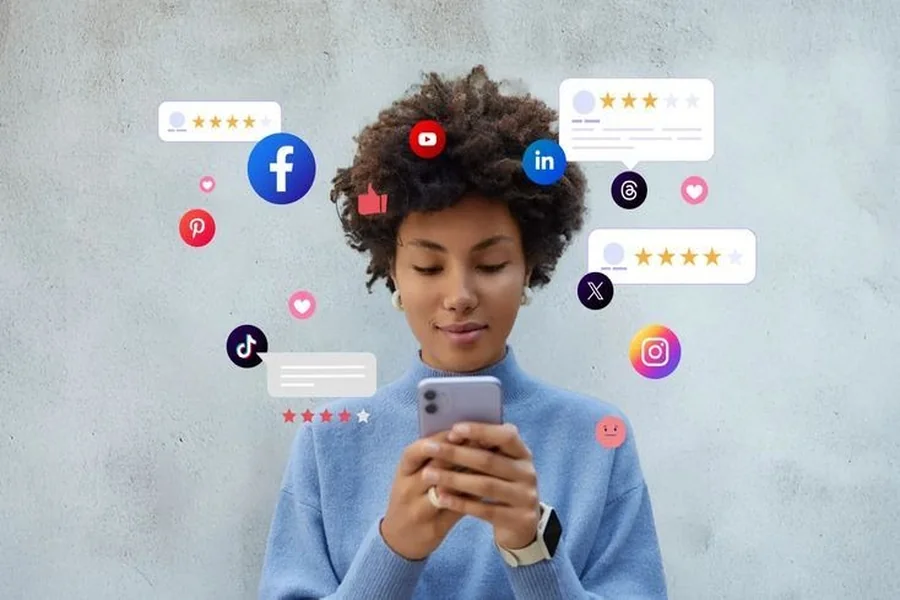
Have you ever wondered why celebrity endorsements no longer guarantee sales? Why some products promoted by big names barely make a ripple, while lesser-known social media creators seem to spark real engagement and buzz? The answer lies in the rise of micro-influencers. With followings typically between 5,000 and 100,000, these creators are quietly outperforming celebrities in driving engagement, trust, and conversions. Brands are starting to notice, and many are rethinking their marketing strategies to include micro-influencers in meaningful ways.
The Engagement Advantage
One of the most significant advantages micro-influencers have over celebrities is engagement. While a celebrity may have millions of followers, the actual interaction on their posts—likes, comments, shares—is often surprisingly low relative to their audience size. Micro-influencers, on the other hand, tend to have highly engaged audiences who trust their opinions. Studies show that engagement rates for micro-influencers can be 3-10 times higher than those of celebrities.
This higher engagement is not just numbers on a screen; it translates to genuine interest and potential purchases. Consumers are more likely to comment, ask questions, and even share content when it comes from someone they perceive as relatable rather than distant and unattainable. For example, a skincare brand partnering with a micro-influencer who shares personal results may see a much higher click-through and conversion rate than if a global celebrity endorses the same product. Working with a professional influencer marketing agency can help brands identify these micro-influencers effectively, ensuring campaigns reach the right audiences.
Trust and Authenticity
The heart of micro-influencer success lies in authenticity. Consumers today are wary of marketing messages that feel forced or insincere. Celebrities often endorse multiple products across different industries, making it difficult for audiences to perceive their recommendations as genuine. Micro-influencers, however, tend to focus on niche topics—beauty, fitness, tech, parenting, or travel—and only endorse products they truly use or believe in.
This perceived authenticity fosters trust. When a micro-influencer shares a personal story about a product, their followers feel like they are receiving advice from a friend rather than a paid advertisement. According to recent marketing research, consumers are 60% more likely to trust recommendations from micro-influencers than from celebrities. Brands that recognize this are seeing not just engagement but meaningful connections with their audience.
Cost-Effectiveness and Flexibility
Celebrity endorsements come with hefty price tags. A single post or appearance can cost thousands or even millions of dollars, making it a significant gamble, especially for smaller brands. Micro-influencers, by contrast, offer a more cost-effective solution. With smaller budgets, brands can collaborate with multiple micro-influencers simultaneously, achieving broader reach without a massive investment in a single personality.
Moreover, working with micro-influencers provides brands with flexibility. Campaigns can be adjusted quickly based on real-time performance metrics. Brands can test different messaging, formats, and platforms with several influencers, refining their strategy without committing to a long-term contract with a single celebrity. This agility is especially valuable in fast-moving industries like beauty, fashion, and tech, where trends evolve rapidly.
Niche Targeting and Relevance
One of the biggest challenges with celebrity marketing is relevance. While a global celebrity might be recognizable, their fanbase is often broad and diverse, which may include many people outside the brand’s target market. Micro-influencers, however, have smaller but highly targeted audiences.
For instance, a micro-influencer who specializes in eco-friendly products will attract followers already interested in sustainability. When a brand partners with them, the audience is not only more relevant but also more likely to convert. This niche targeting ensures marketing dollars are spent efficiently, reaching consumers who are genuinely interested in the product or service being promoted.
Measurable Impact and Analytics
Another reason brands are favoring micro-influencers is the ease of measuring impact. Social media platforms provide robust analytics that allow brands to track engagement, clicks, and conversions from influencer campaigns. With micro-influencers, these metrics are often more actionable because smaller audiences provide cleaner data signals.
Brands can compare the performance of multiple micro-influencers and quickly identify who drives the best results. This data-driven approach contrasts with celebrity endorsements, where ROI can be harder to quantify, making it challenging to justify the investment beyond brand visibility. Micro-influencers give brands both measurable results and a higher probability of meaningful engagement.
Long-Term Relationships and Community Building
Beyond individual campaigns, micro-influencers help brands build long-term relationships with their audience. Many micro-influencers maintain a loyal community over time, creating opportunities for ongoing collaborations rather than one-off promotions. This continuity strengthens brand credibility and fosters community loyalty.
Brands can leverage micro-influencers not just for product promotion but also for storytelling, content creation, and user-generated campaigns. These ongoing partnerships create a more authentic connection with consumers, allowing brands to build brand ambassadors who genuinely support their products, a feat that is harder to achieve with celebrity endorsements.
The Shift in Marketing Philosophy
The rise of micro-influencers reflects a broader shift in marketing philosophy. Brands are moving away from mass reach and shiny headlines, focusing instead on engagement, trust, and authenticity. Social media users are more discerning than ever, and they value honest, relatable recommendations over polished celebrity endorsements.
Forward-thinking brands understand that smaller, more engaged audiences can often deliver better results than millions of passive followers. This doesn’t mean celebrities are irrelevant; their reach still plays a role in brand awareness. But when it comes to converting followers into customers, micro-influencers are quietly proving to be more effective and strategic partners.
Why Brands Are Investing More in Micro-Influencers
As a result, brands across industries are increasingly allocating a larger portion of their marketing budgets to micro-influencer campaigns. Marketing teams are turning to specialized agencies like The Influencer Marketing Factory, which help identify, vet, and manage micro-influencers who align with brand values and campaign objectives. This approach allows brands to scale campaigns efficiently, maintain authenticity, and track ROI with confidence.
In a competitive digital landscape, leveraging micro-influencers offers a practical and strategic advantage. They provide a blend of relatability, trust, engagement, and measurable impact that traditional celebrity endorsements often cannot match. Brands that embrace this trend are not only optimizing their marketing spend but also forging deeper, more meaningful connections with their audiences.
Conclusion
Micro-influencers are quietly reshaping influencer marketing, demonstrating that bigger isn’t always better. With high engagement rates, authentic connections, cost-effective collaborations, and measurable results, they are outperforming celebrity endorsements in ways that matter most to brands today. The future of marketing is increasingly about relatability and trust, and micro-influencers are leading the charge. For brands willing to rethink their strategy, partnering with micro-influencers is no longer an experiment—it’s a smarter, more effective path to growth.