
10 Fonts That Work Well for Creative Digital Projects
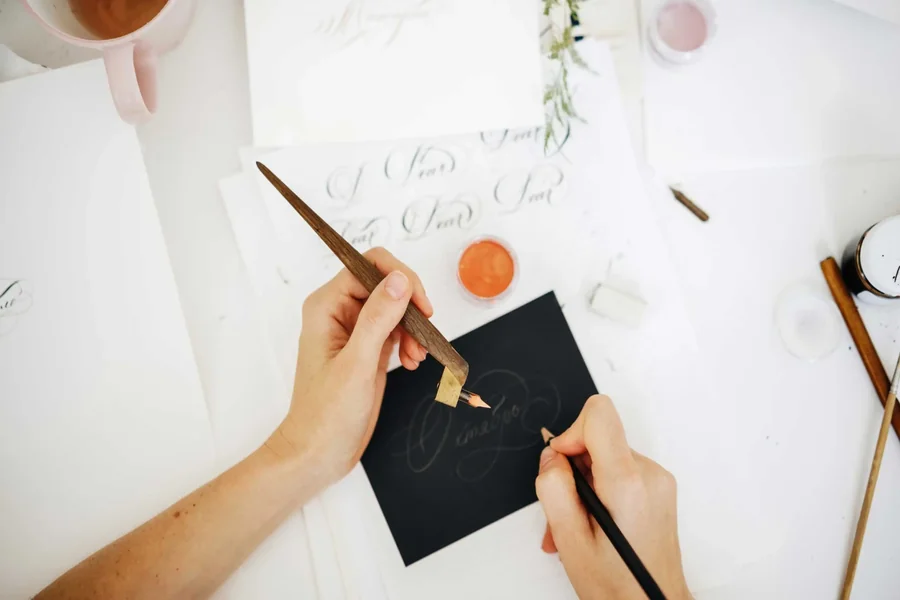
Typography plays a defining role in creative digital work. Whether you are designing social media graphics, websites, branding materials, or digital products, the fonts you choose directly influence how your design is perceived. The right typeface can make your project feel modern, artistic, bold, or elegant, while the wrong one can reduce clarity and weaken the overall impact.
Creative digital projects often demand more expressive typography compared to traditional design. This is where display fonts become especially valuable. These fonts are designed to stand out, grab attention, and communicate personality. However, selecting the right ones requires a balance between creativity and usability.
This article explores ten fonts that work exceptionally well for creative digital projects, along with insights on when and how to use them effectively.
What Makes a Font Suitable for Creative Digital Projects
Before diving into specific fonts, it is important to understand what qualities make a typeface effective for creative work.
Creative fonts are not just visually interesting—they must also be functional. A good font should maintain readability, adapt to different screen sizes, and align with the overall design concept.
Some key characteristics include:
- Strong visual personality
- High readability at different sizes
- Versatility across digital platforms
- Compatibility with other fonts
Fonts that meet these criteria can elevate your design and make it more engaging.
Montserrat – Modern and Versatile
Montserrat is one of the most popular choices for digital design. It features clean lines and a geometric structure that makes it ideal for modern projects.
Why It Works
Montserrat is highly readable and works well for both headings and body text. Its balanced proportions make it suitable for websites, branding, and social media designs.
Best Use Cases
- Website headings
- UI/UX design
- Minimalist branding
Playfair Display – Elegant and Sophisticated
Playfair Display is a serif font that brings a sense of elegance and luxury to digital designs.
Why It Works
Its high contrast between thick and thin strokes creates a refined look, making it perfect for premium or editorial-style projects.
Best Use Cases
- Fashion and lifestyle brands
- Editorial graphics
- High-end branding
Bebas Neue – Bold and Impactful
Bebas Neue is a bold sans-serif font known for its strong presence.
Why It Works
Its tall and narrow letterforms make it highly effective for headlines and titles. It immediately grabs attention without feeling overly complex.
Best Use Cases
- Posters and banners
- Social media graphics
- Logo design
Raleway – Clean and Stylish
Raleway is an elegant sans-serif font with a modern touch.
Why It Works
It offers a wide range of weights, allowing designers to create a strong typographic hierarchy. Its clean design makes it versatile for various creative projects.
Best Use Cases
- Branding
- Website typography
- Presentation design
Pacifico – Friendly and Creative
Pacifico is a script font that adds a casual and friendly feel to designs.
Why It Works
Its handwritten style makes it approachable and engaging, perfect for projects that require a personal touch.
Best Use Cases
- Social media posts
- Creative branding
- Invitations and digital cards
Oswald – Strong and Structured
Oswald is a reworked classic font designed for digital use.
Why It Works
Its condensed structure makes it ideal for tight spaces while maintaining readability. It performs well on both desktop and mobile screens.
Best Use Cases
- Headlines
- Website banners
- Promotional graphics
Lobster – Distinct and Expressive
Lobster is a popular script font with a bold personality.
Why It Works
It stands out due to its unique curves and connected letterforms. It is highly recognizable and works well in creative branding.
Best Use Cases
- Logo design
- Food and beverage branding
- Eye-catching headlines
Lobster works especially well when you want to create a strong visual identity with minimal effort, as its distinctive style naturally draws attention. However, it performs best when used sparingly in headings or logos rather than long text, ensuring that its decorative nature enhances the design without affecting readability.
Poppins – Geometric and Balanced
Poppins is a geometric sans-serif font that feels modern and clean.
Why It Works
Its uniform structure and wide range of weights make it highly adaptable for different design needs.
Best Use Cases
- Mobile apps
- Websites
- Digital presentations
Poppins is especially effective for projects that require a polished and professional appearance without sacrificing creativity. Its readability across different screen sizes makes it a reliable choice for both headings and body text, ensuring consistency and user-friendly design in modern digital projects.
Anton – Bold and Attention-Grabbing
Anton is a heavy sans-serif font designed for maximum impact.
Why It Works
Its bold appearance makes it perfect for creating strong visual emphasis. It works especially well in large text formats.
Best Use Cases
- Headlines
- Advertisements
- Posters
Anton is especially useful when you need typography to do the “talking” for your design. It delivers a powerful presence without requiring additional decorative elements, which helps keep layouts clean yet striking. However, it works best when used in moderation, as its heavy structure can overwhelm long paragraphs or detailed text blocks if overused.
Dancing Script – Elegant and Lively
Dancing Script is a flowing script font with a lively feel.
Why It Works
It combines elegance with readability, making it suitable for creative and artistic projects.
Best Use Cases
- Creative branding
- Social media graphics
- Personalized digital content
How to Pair Fonts Effectively
Using a single font can work in some cases, but combining fonts often creates more dynamic designs.
Creating Contrast
Pairing a bold display font with a simple sans-serif font can create a strong visual contrast. This helps guide the viewer’s attention.
Maintaining Balance
While contrast is important, the fonts should still complement each other. Avoid combinations that feel too different or conflicting.
Limiting Font Choices
Using too many fonts can make a design look cluttered. Stick to two or three fonts for a clean and cohesive look.
Common Mistakes to Avoid
Even with great font choices, mistakes can reduce the effectiveness of your design.
Overusing Decorative Fonts
Display fonts are meant for emphasis, not for large blocks of text. Overusing them can reduce readability.
Ignoring Readability
Creative fonts should still be easy to read. Avoid overly complex styles that make text difficult to understand.
Poor Spacing
Improper spacing can make text look unbalanced. Pay attention to kerning, line height, and alignment.
Balancing Creativity and Functionality
Creative digital projects require a balance between visual appeal and usability.
Fonts should enhance the design without overwhelming it. A visually striking font is only effective if it communicates clearly and supports the overall message.
Designers should always test their typography across different devices and formats to ensure consistency.
The Role of Fonts in Digital Branding
Fonts play a major role in shaping brand identity. The right typeface can make a brand feel modern, playful, professional, or luxurious.
Consistent use of typography helps build recognition and trust. Over time, audiences begin to associate specific fonts with a brand.
This makes font selection a critical part of any digital project.
Conclusion
Choosing the right fonts is essential for creating impactful and memorable digital designs. From modern sans-serif fonts like Montserrat and Poppins to expressive script fonts like Pacifico and Lobster, each typeface offers unique advantages.
By understanding how to use these fonts effectively, designers can enhance creativity while maintaining clarity and professionalism. The key is to balance style with function, ensuring that typography not only looks good but also communicates effectively.
In the end, great typography is what transforms a simple design into a powerful visual experience.