
How Brands Measure ROI in Influencer Marketing Campaigns
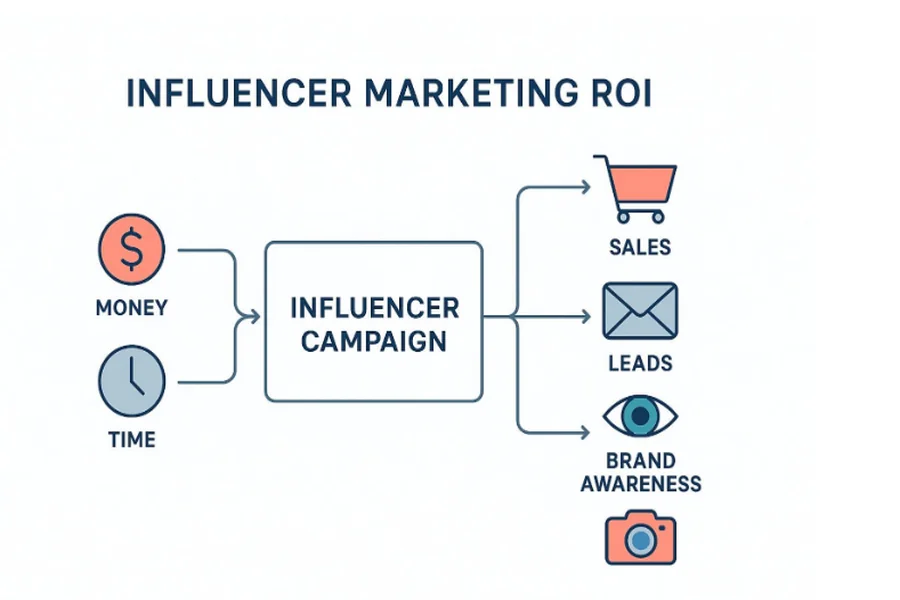
Brands measure ROI (Return on Investment) in influencer marketing by comparing the total value they gain from a campaign-such as sales, leads, brand awareness, and reusable content-to the total money and time they spend.
The basic formula is still revenue minus costs, divided by costs, but most brands now use a broader model. They track specific Key Performance Indicators (KPIs), like engagement rates, clicks tracked with UTM links, and the long-term value of influencer content, to see whether a partnership really made a difference.
With influencer marketing now worth more than $21 billion, guessing if a campaign worked is no longer acceptable. Marketing teams treat creators like any other performance channel, using detailed analytics to justify every part of the budget. They balance hard financial results with softer effects like brand preference, and they need a clear, structured way to see the full impact.
What Is ROI in Influencer Marketing Campaigns?
ROI Definition and Its Importance for Brands
ROI measures how profitable and effective a marketing investment is. For a brand, ROI is not just about checking the bank account. It shows the true business impact of a specific collaboration. Whether it’s a global brand or a focused influencer agency in Poland, the main question is: “How much value did we get for each dollar and hour we spent?” ROI helps secure leadership approvals and supports smart budget planning in the future.
Clear ROI measurement is key. Without it, influencer marketing stays in the “nice to have” bucket. When brands can link results to numbers, they turn random tests into repeatable, scalable growth programs. In a crowded space, knowing that the top 13% of brands earn up to $20 for each $1 spent sets a strong target and shows what is possible with the right strategy and measurement.
Differences Between Influencer ROI and Other Marketing ROI
Influencer ROI is often slower and more layered than classic digital ads. With a banner ad, someone might see it, click, and buy in minutes. Influencer marketing works across many steps at once: awareness, trust, and conversion. A Google Ad might use a short attribution window, but influencer posts can push people to buy for 45-90 days after they first see the content. This makes simple “sales divided by cost” too shallow for many campaigns.
Influencer campaigns also bring extra benefits that other channels rarely offer. A brand gets influencer-generated content (IGC) that can be reused for ads, emails, and websites. This can cut content production budgets by more than half. Because of this, brands often use a mixed “scorecard” to judge influencer ROI, weighing both direct results and long-term brand value.
Why Measuring ROI Matters in Influencer Marketing
Business Decisions Driven by ROI Data
ROI data steers marketing choices. With accurate numbers, brands can spot which influencers drive real results and which only look impressive on the surface. They can build long-term deals with top performers instead of paying for random one-off posts. Clear data also shows which platforms work best-maybe TikTok is stronger for Gen Z awareness, while YouTube turns more viewers into buyers in tech or gaming.
ROI figures also shape how budgets move across channels. If influencer campaigns are 20-30% more efficient than display ads, a brand can safely move more money into creator work. ROI tracking also helps test ideas: teams can see whether casual “day in the life” videos or polished reviews push more people to buy or sign up.
Common Challenges in Influencer Campaign Measurement
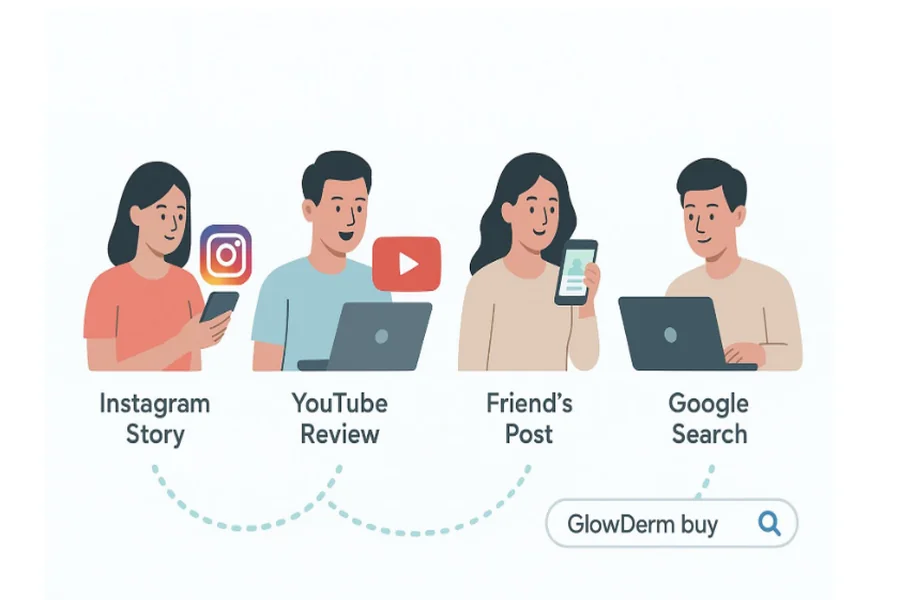
Measuring influencer ROI is often difficult. One major problem is the non-linear customer journey. Someone might see a product on an Instagram Story, read a review on YouTube, and later type the brand name into Google before buying.
If the brand only tracks the final click, the influencer gets no credit, even though they started the interest. This is why 67% of marketers say they struggle to prove value to executives who want fast, simple numbers.
Another issue is dependence on creators for certain stats. Metrics like “saves” or story interactions only show up on the creator’s side. Without honest reporting and screenshots, brands can miss key data. There is also the problem of “vanity metrics”-likes and follower counts that can be inflated or bought and do not always lead to actual sales or real brand loyalty.
How Brands Set Goals for Influencer Marketing ROI
Aligning Campaign Goals with Business Objectives
Good results start with clear goals. Before signing contracts, smart brands link influencer targets to their current business needs. A startup entering a new country may care most about awareness and reach, while a mature e-commerce brand will aim for sales, sign-ups, and repeat buyers. This link keeps the ROI plan focused and useful, instead of just a list of random numbers.
When goals match business needs, each metric has a clear role. If the aim is to build trust and social proof, “saves” and “comments” matter more than raw impressions. This helps avoid judging an awareness push only by direct sales, or judging a sales push only by views. It also supports better influencer selection. For example, micro-influencers often deliver 2-5 times higher engagement for niche products than mega-celebrities.
Examples of Typical Influencer Campaign Goals
Common influencer goals usually fall into three groups: Awareness, Engagement, and Conversion.
- Awareness: e.g., “Reach 1 million unique users interested in sustainable fashion,” measured by impressions and reach.
- Engagement: e.g., “Generate 500 user-generated posts with a brand hashtag,” showing community building and advocacy.
- Conversion/Performance: e.g., hit a certain Cost Per Acquisition (CPA) or Return on Ad Spend (ROAS), drive 2,000 new email sign-ups, or get 500 direct sales with a unique 10% discount code.
With clear targets like these, brands can calculate a final ROI percentage once the campaign is over.
Which Metrics Do Brands Use to Measure Influencer Marketing ROI?
Brand Awareness Metrics
Brand awareness focuses on how visible and memorable a brand is. Main metrics include:
- Impressions: how many times content is shown.
- Reach: how many unique people see the content.
- Branded search volume: how often people search for the brand name during the campaign.
Rising branded searches and reach usually show that influencers are sparking interest and recall.
Engagement and Content Performance Metrics
Engagement shows how audiences react to content. Brands track:
- Likes, comments, shares, and saves
- Engagement rate: total interactions divided by reach or followers
Saves often carry more weight because they suggest people want to come back to the content. High engagement can be an early sign that sales and loyalty will follow.
Traffic, Leads, and Conversion Metrics
To understand how many people move from social posts to owned channels, brands track:
- Referral traffic from UTM-tagged links
- Leads such as email sign-ups or app installs
- On-site behavior like time on site or pages per session from influencer traffic
These mid-funnel metrics show whether influencers are turning passive viewers into serious prospects.
Sales and Revenue Attribution
For performance teams, sales and revenue are key. Common tools include:
- Unique promo codes (e.g., JESSICA20)
- Affiliate links with tracking IDs
- Connections between e-commerce platforms (Shopify, WooCommerce, etc.) and influencer tools
Brands also look at Average Order Value (AOV) to see whether influencer-driven customers spend more than the usual shopper.
Influencer-Generated Content Value
The content itself is a big part of ROI. Brands estimate how much a similar shoot would cost with a studio, crew, and models, then compare that to the influencer fee. Because repurposed IGC can cut content costs by around 52%, this “content value” often adds a large hidden gain to overall ROI.
Brand Sentiment and Community Growth
Brands also review how people feel about them and how their owned audience grows. They use:
- Social listening tools to gauge positive, neutral, or negative sentiment.
- Follower growth on brand-owned channels during and after campaigns.
If a campaign leads to more positive mentions and more loyal followers, the influencer has helped convert their own audience into the brand’s community.
How Brands Attribute ROI to Influencer Marketing Efforts
Attribution Models Used in Influencer Marketing
The simplest model is “last-click” attribution, where full credit goes to the final click before purchase. But this often ignores influencers who first introduced a product. Many brands now use:
- Multi-touch attribution: credit spread across several interactions.
- Time-decay attribution: more credit goes to recent touchpoints, but earlier ones still count.
These models give a fairer view of how influencers work together with other channels.
Tracking Methods: Links, Promo Codes, UTM Parameters
Tracking tools include:
- UTM parameters in URLs to track source, medium, and campaign in Google Analytics.
- Promo codes that still work even if someone switches devices between viewing and buying.
- Deep links that send users straight to a product page or in-app screen to cut extra steps.
These methods form the base of accurate attribution and reliable ROI data.
Understanding Multi-Touch Attribution and Time Lag
Because influencer marketing depends heavily on trust, there is often a gap between first exposure and purchase. People might need three or four touchpoints before they buy. Multi-touch models and time-based analysis help brands see how each interaction adds up across days or weeks, instead of only counting the final action.
Step-by-Step: Calculating ROI for Influencer Marketing Campaigns
Step 1: Set Measurable Objectives
Before launch, agree on what success looks like. Use the SMART framework (Specific, Measurable, Achievable, Relevant, Time-bound). For example: “Generate $50,000 in revenue from five influencers within 30 days,” instead of “get more sales.” This makes final ROI math clear. Many agencies, including All4Comms, emphasize that setting these precise benchmarks is the only way to truly evaluate the performance of a campaign and ensure every dollar spent contributes to the bottom line.
Step 2: Monitor and Collect Data
While the campaign is running, pull data from internal analytics and influencer reports. Track UTM clicks, promo code use, and social engagement every day if possible. Real-time tracking lets you adjust quickly when something underperforms and helps get the best outcome from active posts.
Step 3: Calculate Total Costs and Returns
List every cost, such as:
- Influencer fees and commissions
- Free products and shipping
- Staff time for coordination and reporting
Then total up the returns:
- Direct revenue from tracked links and codes
- Estimated content value (what equivalent production would cost)
- Value of reach/impressions, often based on standard CPMs
Use the formula: ROI = [(Total Return – Total Cost) / Total Cost] × 100.
Step 4: Analyze Results and Adjust Strategies
After calculating ROI, study which parts worked best. Compare influencer tiers, content types, platforms, and posting times. If micro-influencers with Reels drove higher ROI than celebrities with static posts, adjust your next brief and budget. The aim is to keep improving campaign by campaign.
Tools and Platforms for Tracking Influencer Marketing ROI
Influencer Marketing Platforms with Built-in Analytics
Platforms like Aspire, Grin, and Upfluence help manage campaigns from start to finish and include built-in tracking. They often:
- Connect to e-commerce stores to pull revenue data
- Create UTM links automatically
- Track promo code redemptions
- Show cross-platform dashboards for TikTok, Instagram, YouTube, and more
These tools reduce manual reporting work and centralize key metrics.
Attribution and Analytics Solutions
For more advanced analysis, brands may use tools like Rockerbox or Northbeam. These platforms use data models and machine learning to look at the entire customer journey and assign credit more accurately to influencer touchpoints. Google Analytics 4 (GA4) is also widely used to follow web traffic and custom conversions from social referrals.
Social Listening and Brand Monitoring Tools
To track mentions and reputation, brands use tools such as Brandwatch, Sprout Social, or Brand24. These services:
- Scan social networks, blogs, and forums for brand mentions
- Analyze the tone of conversations (positive, neutral, negative)
- Show share of voice compared to competitors
This helps brands measure the softer side of ROI, like trust and public image.
Common Pitfalls and Misconceptions in Measuring Influencer ROI
ROI Isn’t Always Immediate
A frequent mistake is judging a campaign too quickly. Influencers often build long-term affinity, so the true payoff may appear months later. For higher-priced items like furniture, electronics, or travel, the decision cycle is longer. Expecting instant, viral sales can lead brands to cancel good partnerships before they have time to deliver.
Data Consistency Across Platforms
Metrics don’t always mean the same thing across platforms. For example, TikTok counts a view much faster than YouTube. Comparing the two directly can be misleading. Brands need to use platform-specific benchmarks or normalize metrics so they are comparing similar engagement levels when evaluating creators.
Overreliance on Vanity Metrics
Huge follower counts and like numbers can be tempting, but they are not always linked to revenue. Some accounts inflate these figures with bots or low-quality traffic. Brands should focus their main ROI assessment on outcomes like sales, leads, and positive brand lift, using vanity metrics as supporting signals rather than the main goal.
How Brands Optimize and Improve Influencer Marketing ROI
Matching Influencers to Target Audiences
Audience fit is one of the strongest drivers of ROI. Brands use tools to review:
- Follower age, location, and interests
- Past content topics
- Audience authenticity and fraud risk
When an influencer’s community lines up closely with the brand’s ideal customer, conversion rates usually rise. It becomes easier to show how a product solves a real need for that audience.
Creative Testing and Content Strategies
Improvement often comes from testing different creative approaches. Brands may:
- Give different briefs to different creators (e.g., one focuses on storytelling, another on direct selling).
- Compare formats such as Reels vs. static posts, YouTube Shorts vs. long-form videos.
- Test various hooks, captions, and call-to-action styles.
Over time, this testing reveals which styles and formats bring in the best results for the lowest cost.
Ongoing Reporting and Campaign Adjustments
ROI tracking should happen throughout the campaign, not just at the end. When brands monitor performance regularly, they can:
- Shift budget toward top-performing creators or posts
- Boost strong organic posts with paid spend (“whitelisting” or “branded content ads”)
- Refine posting schedules and content themes in real time
Boosting high-performing influencer content with paid promotion can increase purchase outcomes by up to 82%, giving a large lift to final ROI.
Building Long-Term Influencer Relationships
Repeated, long-term collaborations usually deliver better ROI than single posts. As an influencer consistently talks about a brand, their audience begins to see the product as a trusted part of their life instead of a one-off ad. Studies show long-term ambassador programs can lead to 27% higher conversion rates and 34% lower CPAs, as trust builds over time and messaging feels more natural.
Frequently Asked Questions about Influencer Marketing ROI
How do I choose the right ROI metrics for my brand?
Start with your main business goal. New brands should focus on reach, impressions, and branded search volume. Established e-commerce brands should track metrics like CPA, ROAS, and direct sales. The best metrics are those that clearly link to your current growth goals and that you can track accurately.
Can smaller brands achieve positive ROI with influencer marketing?
Yes. Many small brands do very well by working with micro-influencers. These creators usually have smaller but more engaged and focused communities. Their fees are lower, and their followers often trust them more, which can mean a better cost per conversion than campaigns with major celebrities.
How long before ROI results are visible?
You can usually see early engagement and traffic within the first 24-48 hours. Direct sales and conversions often settle over 2-4 weeks. For longer-term brand lift and customer lifetime value, it makes sense to review performance over 3-6 months to see the full effect.
What is the average ROI for influencer campaigns?
Across industries, studies suggest an average of about $6.50 earned for every $1 spent. Brands that choose partners carefully and track results in detail can reach $20 or more per $1. The final result depends heavily on targeting, creative quality, and tracking.
Key Takeaways for Measuring and Maximizing Influencer Marketing ROI
Looking ahead, ROI tracking in influencer marketing is moving toward more transparency and tighter tech connections. One major shift is privacy-first measurement. With third-party cookies fading out and iOS privacy changes, brands rely more on server-side tracking and first-party data like email lists and loyalty programs. This makes owned communities even more valuable, as brands work to move people from rented social platforms to their own databases.
Another growing area is the use of Artificial Intelligence (AI) for predictive ROI. Newer tools can estimate a creator’s likely performance before a deal is signed, using past data and audience overlap. This reduces guesswork and helps brands place budgets more confidently. At the same time, social commerce features-such as direct “buy” buttons inside TikTok and Instagram-shorten the path from content to purchase, making it easier to connect influencer posts directly to sales and track ROI with more clarity.