
How do HVAC Contractors Address Comfort Issues in Newly Built Homes?
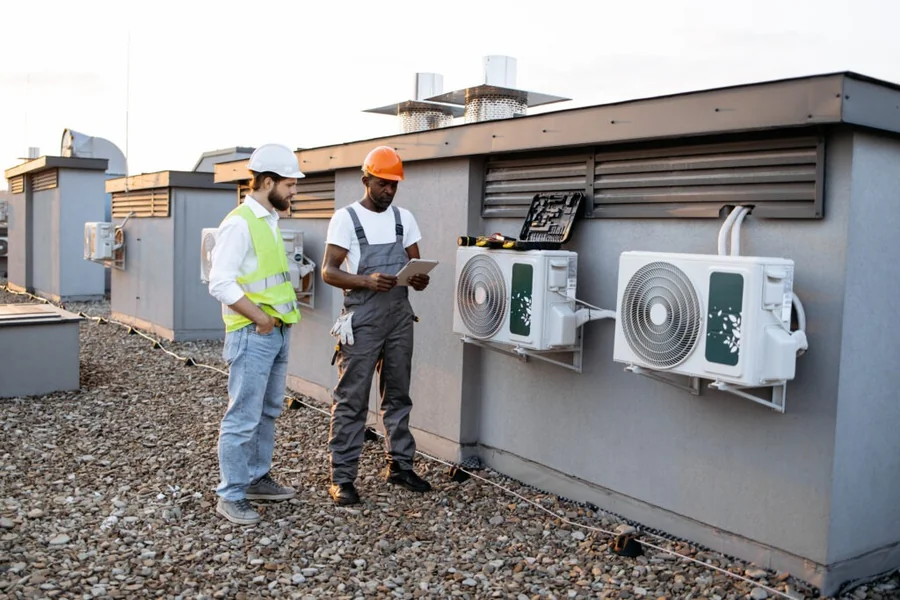
Newly built homes often look flawless, yet comfort problems can appear within the first season of living in them. Homeowners may notice hot upstairs bedrooms, chilly corners near large windows, rooms that feel humid even when the air conditioner runs, or airflow that seems weaker than expected. These issues are frustrating because a new home is supposed to feel efficient and balanced, but “new” does not always mean “tuned.” HVAC contractors approach first-year comfort complaints differently than older-home calls because the causes often involve setup details: duct balancing, thermostat placement, airflow restrictions, ventilation configuration, and the way the building envelope interacts with the mechanical system. Contractors focus on finding why a specific room feels off, not just whether the equipment turns on. Their work is part investigation, part adjustment, and part education, helping the home operate as intended while reducing energy waste and minimizing future service headaches.
Solving New-Home Hot Spots
-
Why New Construction Still Has Uneven Comfort
Comfort issues in new homes often come from mismatches between design assumptions and real living patterns. A floor plan may look balanced on paper, but furniture placement, sun exposure, and daily occupancy create heat loads that shift throughout the day. Large windows can bring strong afternoon heat into one zone, while shaded rooms remain cooler and demand less conditioning. Ductwork in attics can gain heat before the air reaches rooms, and long duct runs may deliver less airflow than shorter ones if balancing was not carefully completed. Contractors also see issues tied to rushed construction timelines: dampers left in default positions, kinked flex duct, insulation gaps around boots, or returns that are undersized for the airflow the system needs. Even minor construction dust can prematurely clog filters and coils, reducing airflow and making rooms feel stuffy. In climates like Columbus, OH, seasonal swings can quickly reveal these setup issues, since heating and cooling demands change dramatically and expose weak balancing choices. The result is a home that is structurally new but mechanically unrefined, requiring targeted adjustments to ensure consistent comfort from room to room.
-
Airflow Diagnostics and Balancing Room by Room
When comfort problems show up, HVAC contractors usually start with airflow. A room that feels warmer may not be receiving enough conditioned air, or it may be losing it through leakage or a pressure imbalance. Contractors measure airflow at supply registers, check static pressure at the air handler, and confirm the system is not pushing against excess resistance from restrictive filters or duct issues. They inspect duct runs for disconnections, crushed flex duct, or sharp bends that reduce airflow. Balancing is then performed by adjusting dampers to redirect air where it is needed, without starving other rooms. In new homes, balancing can be especially effective because the duct system is often clean and structurally intact, but simply not tuned for real-world behavior. Contractors also evaluate return airflow because poor return pathways can make rooms feel stagnant or cause doors to slam shut when the system runs. By establishing balanced airflow, they remove the most common driver of room-to-room discomfort and create a foundation for stable temperature control across the home.
-
Thermostat Placement, Zoning Choices, and Control Behavior
A newly built home may have a modern thermostat, but placement and configuration can still cause comfort problems. If the thermostat is installed near a supply vent, in direct sun, or in a high-traffic area that heats up from cooking and electronics, it can misread the home’s average condition. The system then cycles based on the wrong reference point, leaving distant rooms uncomfortable. Contractors evaluate thermostat location and may recommend relocating it or using remote sensors to measure temperature where comfort matters most, such as bedrooms. In multi-story homes, a single thermostat can struggle because heat rises and upstairs loads differ from downstairs loads. Contractors may discuss zoning options or at least identify whether airflow balancing alone can solve the issue. They also check system staging behavior on multi-stage equipment, ensuring it is not short-cycling or running too aggressively. If the system overshoots and shuts off quickly, humidity control can suffer, leaving rooms feeling clammy. Control adjustments help the system run more smoothly, improving comfort without constant homeowner thermostat changes.
-
Humidity, Ventilation, and Indoor Air Quality Factors
New homes are often tighter, meaning they exchange less air naturally through cracks and gaps. That improves energy performance, but it can create humidity and air quality issues if ventilation is not properly configured. Contractors look for signs that fresh air intake systems are bringing in too much humid air during summer or not bringing in enough fresh air during winter. They also check bathroom exhaust performance, kitchen ventilation effectiveness, and whether the HVAC fan settings are supporting proper air mixing. In the cooling season, humidity problems can come from oversized equipment that cools the air quickly but does not run long enough to remove moisture. Contractors may recommend adjustments that lengthen cycles slightly or improve dehumidification control. They also inspect condensate drainage and coil condition because drainage issues can affect system performance and create odor concerns. Addressing humidity is a comfort issue as much as a technical one; a home can be at the right temperature and still feel uncomfortable if moisture levels are high or stale air lingers in certain rooms.
-
Building Envelope Checks and “Comfort Leaks”
HVAC contractors often find that comfort issues are not purely mechanical in nature. Even in new homes, small gaps in the building envelope can create drafts, uneven temperatures, and persistent hot spots. Contractors may identify missing attic insulation in specific areas, poorly sealed attic hatches, leaky duct boots, or gaps around recessed lighting that allow attic air to influence indoor temperature. They also look at how sunlight affects different sides of the home, because a room with strong solar gain may need shading strategies or airflow adjustments to stay comfortable. Pressure imbalances can also pull outside air through tiny gaps, especially when doors are closed, and return airflow is limited. Contractors sometimes use smoke tests or simple pressure checks to identify where air is moving unintentionally. While a full envelope audit might be handled by an energy specialist, HVAC contractors can still flag obvious issues and coordinate with builders or homeowners to correct them. When these “comfort leaks” are sealed, the HVAC system’s job becomes easier, and the same equipment can maintain consistent conditions with less runtime.
-
Commissioning, Follow-Up Visits, and Homeowner Habits
Many comfort problems in newly built homes improve significantly when contractors treat the system like it needs commissioning, not just repair. Commissioning includes confirming airflow targets, verifying refrigerant charge, checking temperature rise or split, and ensuring the system operates within expected ranges. Contractors may recommend a follow-up visit after the homeowner has experienced another seasonal shift, as patterns become clearer over time. They also guide homeowners on practical habits that affect comfort in new construction, such as keeping interior doors open when returns are limited, using consistent thermostat settings rather than frequent swings, and replacing filters more often during the first year to remove lingering construction dust. They may also explain what is normal during extreme weather, especially if the home is designed for a certain temperature differential between indoors and outdoors. This education reduces frustration and prevents homeowners from making adjustments that worsen comfort, like blocking vents or closing too many registers. With commissioning and follow-up, the system becomes predictable, and minor early issues stop turning into recurring complaints.
New Homes Still Need Fine-Tuning
Comfort issues in newly built homes are common because construction delivers a finished structure, but the HVAC system often needs real-world tuning to match how the home is used. Contractors address these problems by diagnosing airflow, balancing duct delivery, verifying thermostat behavior, and correcting humidity and ventilation setups that influence how a home feels. They also identify building envelope leaks and pressure imbalances that create drafts and uneven temperatures, even when the equipment is functioning. The most effective approach combines measurements, targeted adjustments, and commissioning-style verification so the system operates within stable ranges across changing seasons. With the right corrections and a few supportive homeowner habits, a new home can become as comfortable as it looks—consistent room to room, less humid, quieter, and more predictable through both summer heat and winter cold.