
How do the Early Warning Signs of Hidden Slab Leaks Appear?
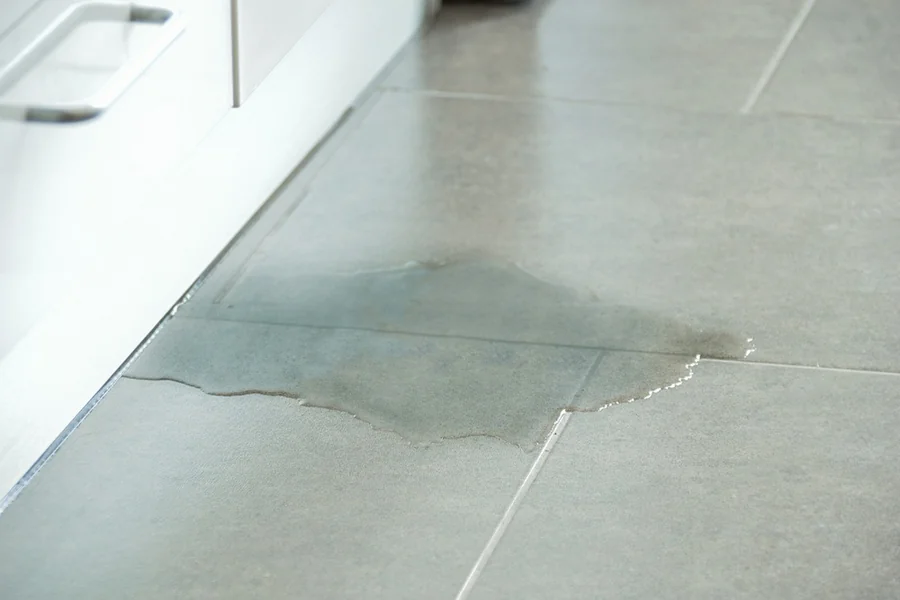
Slab leaks are difficult because they often start quietly under concrete, then grow until they cause noticeable damage. A small leak beneath a foundation can waste water, weaken flooring materials, and create moisture that invites mold or odors, all before you ever see a puddle. Many homeowners only discover the issue after a sudden spike in the water bill or a warm spot on the floor that makes no sense. Catching the early warning signs matters because the longer water moves under the slab, the more likely it is to erode soil, shift sections of the foundation, and damage nearby pipes. Understanding the subtle clues can help you act sooner, reduce repair scope, and protect your home from hidden moisture problems that spread over time.
Signs to watch before damage spreads
- Unexplained water use and pressure changes
One of the earliest signs of a slab leak is an unexplained increase in water usage that does not match your habits. If bills rise even when you are traveling, watering less, or using fixtures normally, water may be escaping under the slab. Another clue is a gradual change in pressure. A small leak can reduce pressure slightly, then worsen as the opening grows. You might notice longer shower fill times, weaker faucet flow, or a toilet tank refilling more often without an obvious running sound. Some leaks create a pattern in which pressure seems fine when the temperature is off for a while, then drops during sustained use, because the leak steals volume from the system. Pay attention to the water meter too. If all fixtures are off and the meter dial still moves, it suggests water flow somewhere in the system. Not every moving dial means a slab leak, but it is a strong reason to investigate. Early pressure shifts and billing surprises often appear before visible moisture, so catching them quickly can prevent the leak from turning into widespread flooring and foundation trissues: warm floors, damp spots, and subtle sensory clues.
Slab leaks often leave sensory evidence, especially when the leaking line carries hot water. Warm areas on the floor can develop in places that are far from heating sources, and the warmth may persist when the HVAC is not running. In carpeted rooms, you might notice a damp patch that returns after drying, or an area that feels spongy underfoot. With tile or vinyl, grout lines may darken, edges may lift, or the flooring may feel cooler in damp areas if the leak is from old water. Odors can also appear early. Musty smells that persist after cleaning can indicate moisture trapped beneath the flooring. Some homeowners hear faint hissing or water movement when the house is quiet, especially at night. These signals can come and go, which makes them easy to ignore. If you notice several of these clues together, contacting Tennessee’s Choice Plumbing can help confirm whether the source is under-slab water movement, a nearby wall leak, or a drainage issue that is causing oling moisture. A fast check can reduce time spent guessing and reduce the risk of hidden mold growth.
- Cracks, shifting, and changes around the foundation
A hidden slab leak can change the soil under a home. When water continuously saturates soil, it can wash out fine particles or cause uneven expansion and contraction d, depending on soil type. Over time, that movement can show up as small cracks in drywall, new gaps around baseboards, or doors that stick when they did not previously bind. In tiled areas, hairline cracks or loose tiles can appear when there is no moisture, and slight slab movement stresses the surface. These signs do not automatically mean a slab leak, but when they appear alongside unusual water use or damp flooring, the combined pattern becomes more concerning. Another clue is water pooling near the foundation line outside, even when it has not rained. You might see an unusually green patch of grass or a soft spot near the perimeter where water is seeping out. In some homes, the leak path follows the easiest route, so that moisture can appear away from the actual pipe break. That is why early structural hints should be read alongside other symptoms rather than in isolation.
Next Steps to Limit Damage
Hidden slab leaks often announce themselves through small changes rather than obvious flooding. Unexplained increases in water bills, mild pressure drops, warm floor areas, recurring damp spots, and persistent musty odors can all be early signs. Over time, leaks can also affect soil and structure, leading to cracks, shifting, and sticking doors. When multiple signs appear together, it is smart to check the water meter, document symptoms, and arrange an inspection rather than waiting for visible damage. Acting early can reduce moisture problems, protect flooring and foundations, and limit repair costs. A quick response turns a hidden threat into a manageable repair before it grows.