
How Heritage Knitwear and Custom Scarves Turn Clothing Into Identity

AstroDud covers fashion alongside pop culture, entertainment, and trend-driven lifestyle topics, which makes it a good setting for a question that goes beyond simple seasonal styling: why do some clothing categories keep returning even when trends move fast? The answer often has less to do with novelty than with recognition. Pieces that carry a strong sense of place, group identity, or visual memory tend to stay relevant because they offer something more lasting than a short-lived look.
That is especially clear in categories built around warmth and belonging. Knitwear rooted in regional tradition and scarves tied to teams, events, or communities may seem like very different products, but both work because they do more than complete an outfit. They give clothing a social role, turning what people wear into something that signals affiliation, continuity, and personal taste all at once.
Style Lasts Longer When It Carries a Story
Fashion becomes more memorable when it feels attached to something beyond surface appearance. A garment that reflects heritage, ritual, or shared identity usually leaves a stronger impression than one designed only to capture attention for a single season.
That is because story gives clothing a second layer of meaning. People are often drawn to pieces that seem to come from somewhere specific, whether that means a landscape, a craft tradition, or a collective culture, and those associations help explain why certain categories remain visually persuasive long after trend language changes.
Knitwear Keeps Its Power When Place Is Part of the Design
Some garments continue to matter because they still communicate the environment that shaped them. In knitwear, that connection is especially strong, since texture, weight, and stitch pattern can all suggest climate, labour, and daily life in a way that feels immediate even to modern buyers.
That helps explain the lasting appeal of Aran Sweater Market. Aran links its sweaters to the Aran Islands off Ireland’s west coast and to generations of fishermen and farmers, which gives the category a heritage-based visual authority that feels deeper than a generic winter layer.
Scarves Become More Powerful When They Represent a Group
Scarves work differently, but they reach a similar result. Instead of drawing strength mainly from regional history, they often gain meaning from the people who wear them together, whether that is a sports crowd, a company team, a fan base, or an event community.
That is where brands like Diehard Custom fit naturally into the discussion. The company says it has produced more than 2.5 million scarves and beanies for teams, businesses, and events, which highlights how a simple accessory can function as a visible marker of belonging rather than just an extra layer for cold weather.
Texture Often Communicates More Than Logos
One reason heritage knitwear remains visually strong is that it does not need overt branding to feel recognizable. The texture itself does much of the work, creating shape and depth before colour, styling, or accessories begin influencing the look.
That matters because texture often reads as authenticity. When a sweater feels defined by stitch, weight, and material presence, it appears more grounded, and grounded garments tend to hold their value better in style conversations than pieces that depend mostly on trend timing.
Accessories Gain Meaning When They Become Symbols
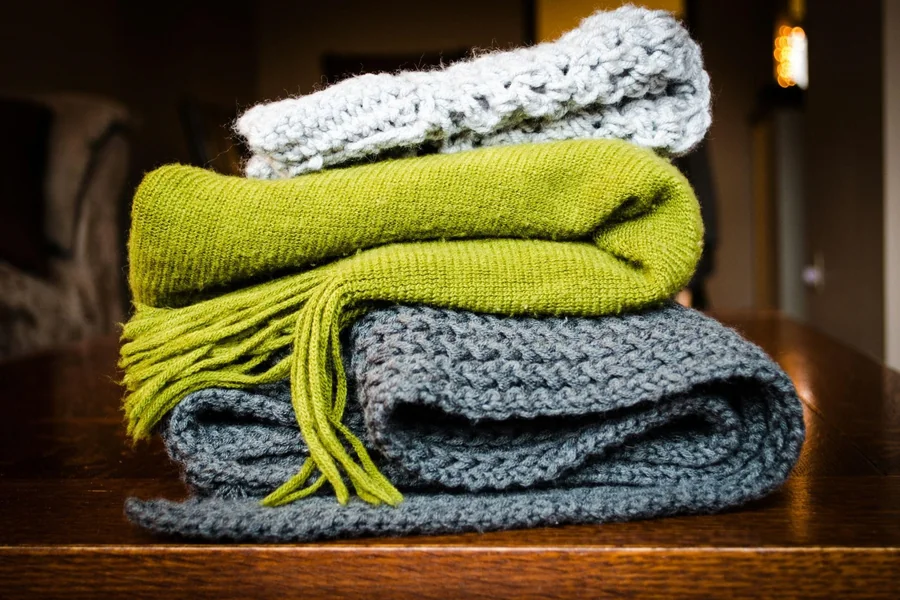
Scarves, by contrast, often succeed because they condense a message into something portable and public. They are easy to wear, easy to repeat, and visible enough to function almost like a banner, which makes them especially effective in group settings where identity needs to be seen quickly.
That symbolic quality gives them surprising staying power. A custom scarf can outlast a single event or season because the object becomes tied to memory, participation, and shared display, making it more emotionally durable than an accessory chosen only for colour or styling convenience.
Strong Materials Make Stronger Style Codes
The categories that endure usually depend on materials that support the visual promise being made. In knitwear, fibre matters because softness, structure, and warmth all affect how believable the garment feels, while in scarves, material choice influences durability, appearance, and how well the item performs in repeated real-world use.
That connection between material and meaning helps explain why these products do not feel interchangeable. Clothing tied to heritage or group identity needs to hold up physically as well as visually, because if the object feels flimsy, the symbolism attached to it becomes less convincing too.
Independent Standards Help Explain Wool’s Lasting Appeal
Wool continues to matter in design and fashion partly because its value can be described in more than aesthetic terms. The Woolmark Company says wool is natural, renewable, and biodegradable, and it also notes that merino wool fabrics can biodegrade significantly in soil under the right conditions, which helps explain why wool garments still carry such strong material credibility.
That outside framework matters because it gives heritage knitwear a firmer foundation than nostalgia alone. When a garment already has history, texture, and recognisable form, evidence that the fibre itself remains meaningful only strengthens the case for why it continues to hold attention in modern wardrobes.
Clothing Feels More Memorable When It Signals Belonging
Many trends aim to make people stand out as individuals, but some of the most lasting pieces do something slightly different. They allow wearers to signal connection, whether that connection is to a region, a tradition, a team, or a wider community of people who recognize the same code.
That is part of why knitwear and custom scarves remain so relevant. One category carries the weight of place and inherited craft, while the other turns shared identity into something public and wearable, and together they show that clothing often becomes strongest when it helps people belong as clearly as it helps them express themselves.