
Why Branded Merchandise Has Become a Real Tool for Modern Companies
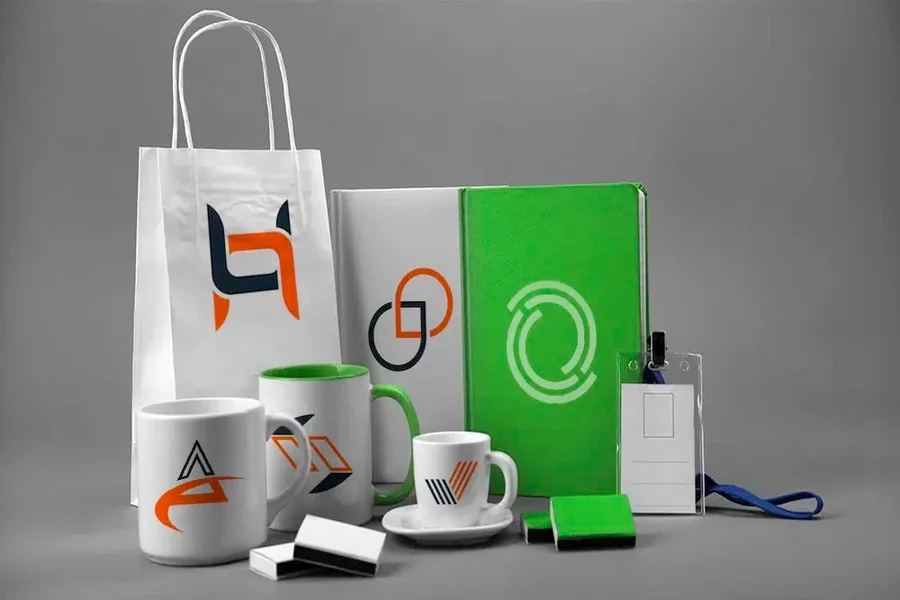
Branded merchandise has spent the last decade fighting a reputation problem. The cheap pen with a logo and the t-shirt that nobody wore became cultural shorthand for the category, and serious marketers stopped treating it as a meaningful budget line. That reputation was earned, but the picture has changed substantially in the last five years, particularly for companies operating distributed and hybrid teams.
The underlying shift is that physical artefacts have become more important precisely because so much of work now happens digitally. When the team does not share an office, the things people own, wear, and use at home are the points of connection that remind them they are part of something specific.
The use cases that have grown fastest reflect this.
New-hire welcome kits. A package that arrives at the home of a new starter on day one, branded coherently, sized properly, and chosen for daily use, does work that no Slack message can do. The design and quality of the kit communicate culture in a way that policy documents cannot.
End-of-quarter and milestone parcels. Companies marking launches, anniversaries, or fundraising rounds increasingly ship branded items to the entire team rather than holding events that not everyone can attend.
Event activation kits. Conferences, summits, and offsite gatherings now lean on coherent merchandise programmes rather than relying on whatever the venue happens to provide.
Client appreciation gifting. Year-end, deal-closing, and contract-renewal gifting has matured into a structured category with curated branded gift sets replacing the old generic basket.
Specialist suppliers like Ideal Promotions operate ranges that span apparel, drinkware, tech accessories, eco-products, and curated gift sets, with quality floors high enough that recipients keep the items rather than discarding them.
What separates merchandise that works from merchandise that does not
Three principles cover most of the distinction.
Choose items recipients actually want. The test is whether you would buy the item for yourself if it were unbranded. If the answer is no, the merchandise is going to a drawer.
Get the sizing right for apparel. Distributed teams need full size ranges, properly fitted patterns, and unisex options where appropriate. Apparel with the wrong sizing assumptions reaches the back of the wardrobe within a week.
Use sustainable materials where they matter. Recycled-content fabrics, FSC-certified paper, and water-based inks are now standard from any reputable supplier and are increasingly an expectation rather than a differentiator.
What to ask before ordering
Three questions cover most of the variation between suppliers.
What is the print or embroidery method, and is a sample available before volume?
What is the lead time, including shipping?
What is the minimum order quantity, and how does pricing scale with volume?
FAQ
What is the typical lead time for branded merchandise? Two to four weeks for standard items with custom branding. Longer for bespoke product or apparel with embroidered detailing.
Are eco-friendly options actually different in quality? Modern recycled-content fabrics, water-based inks, and FSC papers now match conventional alternatives on appearance and durability.
What is the minimum order for branded apparel? Most reputable suppliers start at 25 to 50 units for printed apparel.