
Why Telemedicine Has Quietly Become the Default Path for Routine Primary Care
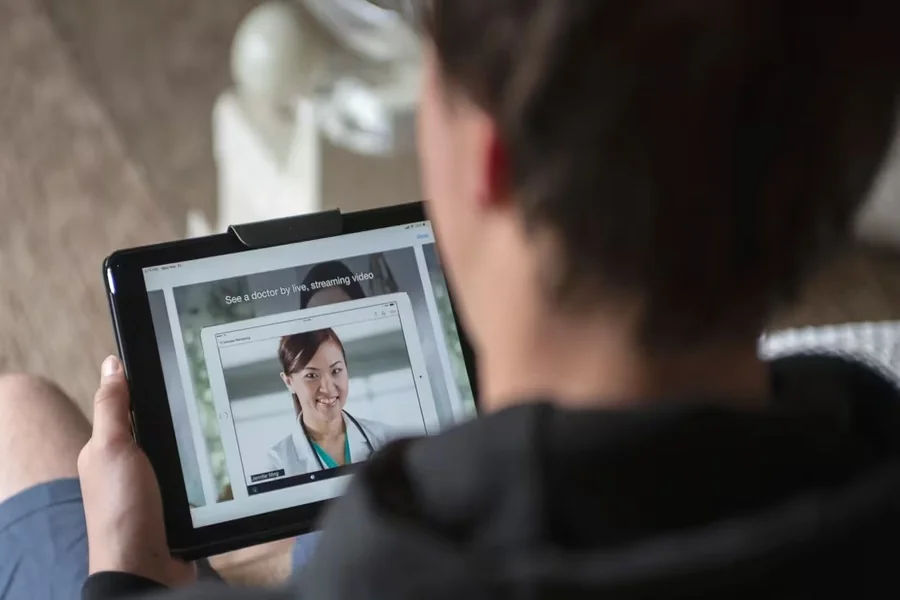
For most of recent history, getting routine primary care meant scheduling an appointment, taking time off work, attending in person, and waiting weeks for the next available slot. The model held up for decades, even as the way Americans actually live became less compatible with it. Schedules tightened, wait times grew, and the structural friction around getting routine care addressed turned what should have been simple errands into deferred to-do list items.
The picture has shifted faster than most patients have noticed. Telemedicine has moved from pandemic-era stopgap into the default first line of access for a meaningful share of routine primary care, with platforms providing licensed clinician access, prescription issuance, and ongoing care management through a digital interface that fits actual modern schedules.
What modern telemedicine primary care actually covers
The category has matured well beyond the initial “talk to a doctor about a cold over video” use case. A modern platform typically covers acute care for common conditions (UTIs, yeast infections, BV, mild allergic reactions, sinus infections, certain skin conditions), routine prescription access, mental health support, sexual and reproductive health, and chronic condition management for stable patients.
A platform like Galileo, providing telemedicine primary care services across many of these categories, illustrates what the modern version of this looks like: licensed clinician access, structured intake review, prescription issuance, and ongoing care management built into a coherent experience.
Where telemedicine actually adds value
Three patterns have emerged across users who have integrated telemedicine into their broader healthcare routine.
Faster access. Conditions that previously required scheduling-and-waiting now get addressed within hours.
Lower deferral. Concerns that previously got pushed off because the appointment was too inconvenient now get raised earlier in the symptom cycle.
Better continuity. Modern platforms keep structured care records that travel across visits.
Where in-person care still matters
Conditions requiring physical examination, diagnostic imaging, lab work that cannot be done at home, complex chronic disease management, surgical evaluation, and any presentation with red-flag symptoms warrant in-person care. Telemedicine works best as the first line of access for conditions that fit it, with traditional care as the backbone for everything else.
FAQ
Are telemedicine prescriptions legitimate? Yes, when issued by licensed clinicians on platforms operating within standard regulatory frameworks.
What conditions are appropriate for telemedicine? Conditions with well-characterised symptom patterns and standard treatment pathways.
How quickly can I access treatment? Often within the same day, depending on the platform.
Is my data secure? Reputable platforms operate under HIPAA or equivalent frameworks with documented data handling practices.