
The Post-Travel Reset: Why What You Do After a Trip Matters More Than the Trip Itself

Travel tends to get all the attention. Planning, anticipation, and the experience itself are treated as the main event, while what happens afterward is often rushed or ignored. Yet for many people, the success of a trip isn’t determined by how it begins, but by how smoothly life resumes once they return.
This becomes especially noticeable after warm-weather travel. Suitcases are unpacked, routines are disrupted, and everyday responsibilities come rushing back. Items associated with leisure, from sandals to womens bikinis, suddenly feel out of place as they wait to be dealt with. That moment, when relaxation collides with reality, is where the post-travel reset begins. It’s not about the destination anymore; it’s about restoring order.
How people handle this transition often determines whether a trip feels refreshing or oddly exhausting in hindsight.
Why Laundry Is the First Real Step Back to Normal
The most immediate task after travel is rarely glamorous, but it’s unavoidable: laundry. Clothes carry more than dirt when you travel. They hold scent, moisture, and reminders of movement, salt air, sunscreen, long days outdoors, cramped suitcases. Addressing that quickly helps signal a return to routine.
Many people have developed specific post-trip habits to make this reset easier. Instead of letting bags sit untouched, they unpack immediately and deal with clothing before settling back in. This is where everyday aids like a laundry freshener often come into play, helping remove lingering odours and restore fabrics before they’re returned to storage. The goal isn’t perfection; it’s closure. Laundry becomes a psychological marker that the trip has ended and normal life can resume.
Without this step, the transition tends to drag on. Unfinished tasks linger, and the sense of rest the trip provided starts to fade.
Travel Fatigue Isn’t Just Physical
Post-travel fatigue is often blamed on sleep disruption or long journeys, but there’s a mental component that’s easy to overlook. Travel temporarily suspends routine. Meals are irregular, schedules loosen, and responsibilities pause. Returning home requires rebuilding structure, which can feel surprisingly taxing.
Researchers in behavioural psychology note that transitions between structured and unstructured periods demand cognitive effort. A 2024 review published by the American Psychological Association found that incomplete post-event routines can prolong stress responses, even after enjoyable experiences. In other words, rest doesn’t fully register until the brain recognises that a cycle has been closed. Simple actions, completed promptly, help shorten that adjustment period.
The Hidden Cost of Delayed Reset
Many people delay post-travel tasks because they associate them with work and responsibility. The result is often the opposite of what they intend. Suitcases stay half-packed, laundry piles up, and the home environment feels unsettled.
This lack of closure can make it harder to re-enter everyday life. Work feels heavier, motivation drops, and the benefits of the trip dissipate faster than expected. What should have been restorative becomes something to “recover from.” A clean reset prevents this slow bleed of energy.
Why Small Routines Matter After Time Away
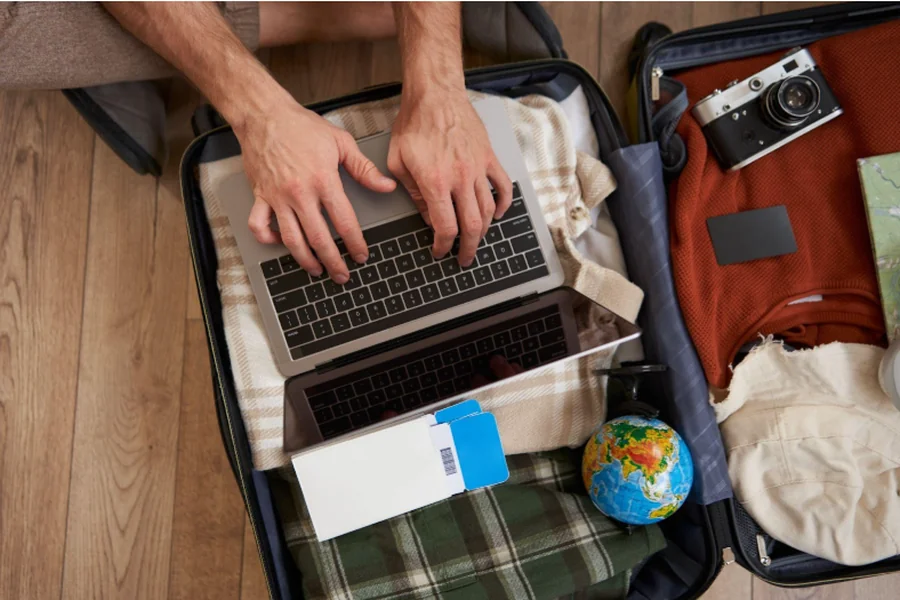
The most effective post-travel resets aren’t elaborate. They’re built around small, repeatable actions that happen every time. Unpack immediately. Wash clothes promptly. Re-store seasonal items properly. Restore living spaces to their usual layout.
These actions create predictability, which helps the brain switch out of travel mode. They also prevent small disruptions from snowballing into larger ones.
People who travel frequently often develop these routines intuitively. They learn that efficiency after a trip protects the value of the trip itself.
Leisure Items Need Closure Too
Objects tied to leisure tend to linger emotionally. Swimwear, beach bags, and holiday clothing often sit in plain sight long after a trip ends. While harmless, this can blur boundaries between rest and responsibility.
Putting these items away properly, clean, dry, and stored, signals a return to everyday identity. It’s not about suppressing enjoyment, but about containing it so it remains positive rather than disruptive.
Psychologists sometimes describe this as “context containment”: keeping experiences meaningful by giving them clear beginnings and endings.
The Difference Between Recovery and Reset
Recovery suggests rest after strain. Reset suggests restoration of balance. Travel usually doesn’t require recovery in the traditional sense; it requires re-alignment.
A reset is proactive. It doesn’t wait for exhaustion to set in. It anticipates the need for structure and provides it gently. Laundry, cleaning, and re-organising aren’t chores in this context, they’re transitional tools. The faster that alignment happens, the longer the benefits of the trip last.
Why This Matters More as Travel Increases
As travel becomes more frequent, weekend trips, short breaks, seasonal getaways, the ability to reset quickly becomes more important. Without it, life begins to feel fragmented.
Short trips don’t leave much room for extended adjustment periods. Efficient resets allow people to move fluidly between leisure and responsibility without burnout. This is increasingly relevant in modern life, where boundaries between work and rest are already thin.
Building a Personal Reset System
The most effective post-travel routines are personal. They reflect individual preferences, space constraints, and schedules. What matters isn’t the specific steps, but consistency.
Once a reset system is established, it reduces friction. Travel stops feeling like disruption and starts feeling integrated into normal life. That integration is what makes travel sustainable rather than draining.
Travel Should End Cleanly
Trips are meant to add to life, not complicate it. A clean ending preserves their value. When post-travel routines are handled intentionally, the benefits of time away extend far beyond the return date.
The destination may create memories, but the reset determines whether those memories feel restorative or chaotic. In the long run, how people return from travel often matters just as much as where they go.