
How do Cannabis Store Inventory Rotation Methods Reduce Stale Stock?
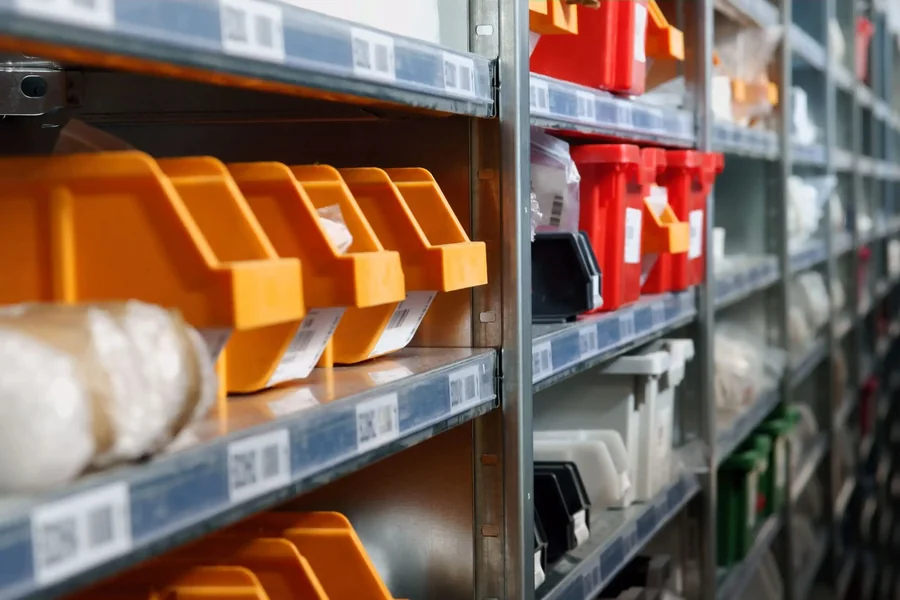
Stale inventory is rarely caused by one bad decision. It usually grows from small gaps, such as unclear intake steps, inconsistent labeling, slow-moving items staying in the same spot, and staff missing expiry risk until it is too late. A rotation plan keeps product moving in a predictable order while staying compliant and protecting customer trust. The aim is to shorten the time from receiving to selling without pushing teams into rushed tactics. When every unit has a clear date, location, and review rhythm, freshness becomes visible and manageable across every shift. That visibility reduces waste and protects margins.
Rotation tactics that protect margins
- Date first intake and shelf mapping
Rotation starts the moment cartons arrive. Use a receiving routine in which staff verify batch IDs and package dates, require track-and-trace entries, and assign each unit a priority based on its age. Create a simple rule: older items must be placed closest to the selling position, while newer items go behind on the same planogram. This first-in, first-out habit works only if the location is consistent, so build a shelf map for every category and mirror it in the back room. Keep bins labeled by date range so replenishment does not scramble order during busy hours. One practical trick is a weekly fronting reset where the opener pulls the oldest date ranges forward and scans the packaging condition and seals. For teams managing multiple neighborhoods, note that rotation principles used by CBD Shops in Austin apply equally to any regulated retail setting when dates are visible at a glance. Add a dot or tag that matches the age band so anyone can spot what sells first. If your POS supports it, store the receive date in item notes to trigger reminders during weekly resets and restocks.
- Cycle counts that trigger rotation actions.
Rotation stays healthy only when it is checked often. Replace infrequent marathon counts with short cycle counts that focus on high-risk categories such as edibles, pre-rolls, and cartridges. Count by age band, for example, under two weeks, two to four weeks, and over four weeks, then attach one action to each band so the result is immediate. The oldest band gets moved to the most visible position and paired with a staff prompt for compliant suggestive selling. The middle band undergoes a condition check for dryness, aroma loss, or packaging issues, and any concerns are flagged for manager review. The newest band is left alone to avoid needless handling. Use a simple traffic-light label in the stockroom to indicate age status during restocks, and record results in a shared log so trends are not lost between shifts. Internal note for writers and trainers: Avoid unrelated service angles, such as house cleaning and residential services, so the guidance stays focused on inventory operations. When an age band repeats week after week, pause reordering and adjust par levels. Add shrink checks to ensure counts remain trustworthy.
- Storage conditions and markdown timing
Even a clean first-in-first-out flow can fail if storage harms quality. Set standards for light exposure, heat, and humidity, and treat the backroom layout as part of the selling process. Keep products in lidded bins or opaque containers where rules allow, and avoid placing cartons near exterior doors where temperature swings are common. Match the backroom zones to the shelf map so the team replenishes without mixing date ranges. Build a weekly freshness walk where a manager checks packaging cues, seal integrity, moisture packs, and any oil separation in infused items, then decides whether to accelerate movement. Timing matters with discounts: do not wait until the item is nearly unsellable. Use staged steps that start with placement upgrades, then modest markdowns, and only later, deeper cuts if needed. Pair markdown timing with education so staff can describe flavor notes and storage tips without making medical claims. Track each markdown reason in the POS so that purchasing can learn from it. If a vendor delivers slower movers, negotiate smaller case packs or more frequent drops. This keeps product fresh, reduces backroom clutter, and improves accuracy when planners forecast reorders.
Next steps for staff
Inventory rotation becomes reliable when every shift follows the same signals: receive dates are captured, shelf locations are mapped, cycle counts happen on schedule, and storage conditions are controlled. Those basics prevent older units from hiding behind new deliveries, and they reveal purchasing issues before waste grows. Pair age bands with clear actions such as fronting, featured placement, or planned markdowns so the team responds quickly without panic. As the system matures, managers gain cleaner sales data, fewer write-offs, and steadier cash flow. Consistency is the method that keeps freshness visible. Review the process monthly and refine thresholds together.