
Residential vs Commercial Snow Removal: Key Differences Explained
When winter storms hit, snow removal becomes more than a convenience—it’s a necessity. But not all snow removal services are the same. Residential and commercial snow removal serve very different purposes, follow different priorities, and require different equipment, planning, and response strategies.
Understanding these differences can help homeowners, business owners, and property managers choose the right service and set realistic expectations for winter maintenance. This people-first guide explains the key distinctions between residential and commercial snow removal, so you can make informed decisions that keep people safe and properties protected.
The Purpose: Personal Convenience vs Public Safety
One of the biggest differences between residential and commercial snow removal lies in their primary goals.
Residential Snow Removal
Residential services focus on convenience, accessibility, and basic safety for homeowners and their families. The goal is to:
- Clear driveways and walkways
- Ensure safe access to homes
- Reduce slip-and-fall risks
Timing is often flexible, and services may be scheduled after snowfall ends or at specific times agreed upon with the homeowner.
Commercial Snow Removal
Commercial snow removal is centered on public safety, liability prevention, and business continuity. Properties must remain accessible during and immediately after snow events to protect employees, customers, and visitors.
Commercial priorities include:
- Keeping entrances, parking lots, and sidewalks clear
- Maintaining compliance with local regulations
- Reducing liability risks for property owners
Scope and Scale of Service
The area to be cleared is another major difference.
Residential Properties
Residential snow removal typically covers:
- Single driveways
- Sidewalks
- Front steps or walkways
These areas are smaller, simpler, and easier to manage with basic equipment.
Commercial Properties
Commercial sites can include:
- Large parking lots
- Loading docks
- Multiple entrances and exits
- Emergency access routes
The scale of commercial properties requires more planning, manpower, and coordination—especially during heavy or prolonged snowfall.
Equipment and Technology Used
Because of differences in scale, residential and commercial snow removal use different tools.
Residential Equipment
Residential services often use:
- Pickup trucks with plows
- Snow blowers
- Shovels
- Small salt spreaders
This equipment is sufficient for smaller areas and lighter traffic.
Commercial Equipment
Commercial snow removal requires:
- Heavy-duty plow trucks
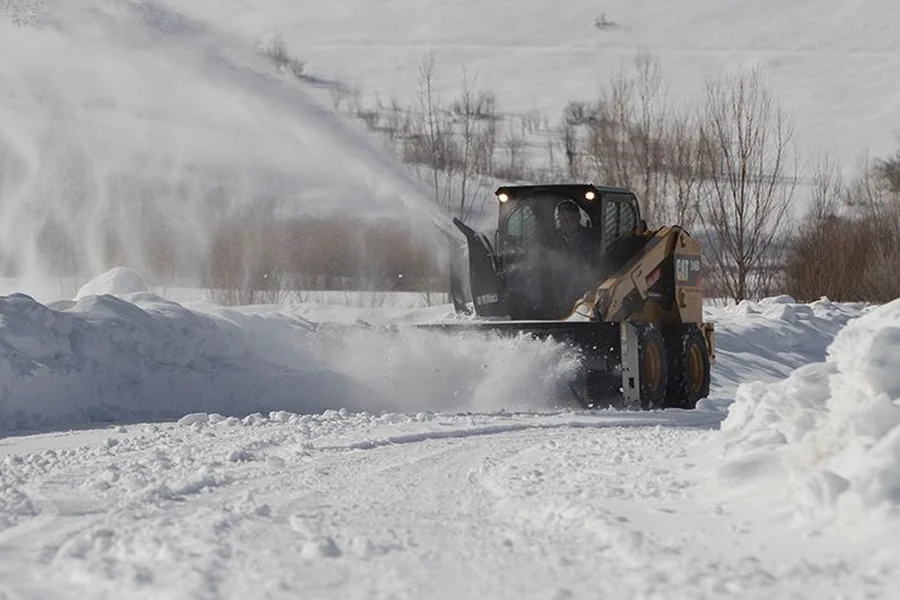
- Skid steers and loaders
- Large salt spreaders
- Snow hauling equipment
Advanced equipment enables faster clearing and improved ice control across expansive areas.
Response Time and Scheduling
Timing is critical in snow removal—but expectations vary.
Residential Scheduling
Residential snow removal is often scheduled:
- After snowfall ends
- During daylight hours
- Based on homeowner preference
While timely service is important, delays are usually less critical.
Commercial Scheduling
Commercial snow removal operates on a proactive, often 24/7 basis. Crews may:
- Pre-treat surfaces before storms
- Clear snow continuously during snowfall
- Respond immediately to changing conditions
Businesses can’t afford downtime, making fast response a top priority.
Liability and Legal Considerations
Liability plays a much larger role in commercial snow removal.
Residential Liability
Homeowners are generally responsible for keeping walkways safe, but the risk is limited to guests and residents.
Commercial Liability
Commercial property owners face greater legal exposure. Slip-and-fall accidents can lead to:
- Lawsuits
- Insurance claims
- Increased premiums
As a result, commercial snow removal services often include:
- Detailed service documentation
- Compliance with municipal regulations
- Strict safety standards
Professional providers understand these risks and plan accordingly.
Ice Management and De-Icing Strategies
Snow removal isn’t just about plowing—it’s also about ice control.
Residential Ice Control
Residential services typically apply:
- Rock salt
- Pet-safe ice melt (upon request)
The application is lighter and focused on immediate walking areas.
Commercial Ice Control
Commercial properties require:
- Ongoing ice monitoring
- Strategic application of de-icing materials
- Environmentally responsible solutions
High foot and vehicle traffic demand consistent, professional ice management to maintain safety.
Cost Structure and Contracts
Pricing and service agreements differ significantly between residential and commercial snow removal.
Residential Pricing
Residential services are often:
- Per-visit
- Per-inch of snowfall
- Seasonal flat-rate
Contracts are usually simple and flexible.
Commercial Pricing
Commercial snow removal typically involves:
- Seasonal contracts
- Customized service plans
- Guaranteed response times
These agreements reflect the complexity, risk, and resources involved.
Customization and Planning
Planning requirements vary greatly between the two service types.
Residential Planning
Residential planning is minimal, often requiring only:
- Service frequency
- Access instructions
- Preferred clearing areas
Commercial Planning
Commercial snow removal involves detailed planning, including:
- Site mapping
- Snow pile placement
- Emergency access routes
- Traffic flow considerations
Experienced providers, such as St. Paul Snow Removal Professionals, create customized plans to ensure efficient, safe service throughout the winter.
Impact on Daily Life and Operations
The consequences of inadequate snow removal differ sharply.
Residential Impact
Poor residential snow removal may cause:
- Inconvenience
- Temporary safety risks
- Missed work or appointments
Commercial Impact
Inadequate commercial snow removal can result in:
- Business closures
- Employee injuries
- Customer dissatisfaction
- Legal and financial consequences
This higher level of impact demands professional-grade service and accountability.
Choosing the Right Service for Your Needs
Understanding these differences helps property owners choose the right snow removal approach.
Homeowners should look for:
- Reliable scheduling
- Clear communication
- Fair pricing
Business owners and property managers should prioritize:
- Proven experience
- Fast response times
- Liability awareness
- Detailed service plans
Final Thoughts: Different Needs, Different Solutions
Residential and commercial snow removal serve the same ultimate purpose—keeping people safe—but they operate on very different scales and priorities. What works for a driveway won’t work for a parking lot, and convenience-focused service isn’t enough for high-risk commercial environments.
By understanding the key differences, property owners can set appropriate expectations, choose the right professionals, and ensure winter weather doesn’t disrupt safety or operations. The right snow removal strategy isn’t just about clearing snow—it’s about protecting people, property, and peace of mind all winter long.