
Strategic Factors in Choosing Building Sites Across New Jersey
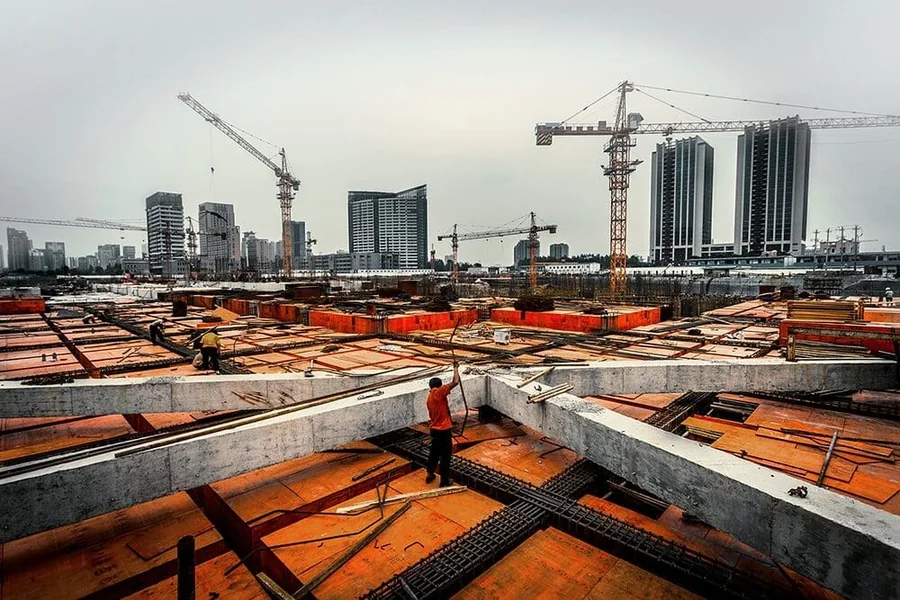
New Jersey’s diverse geography, tightly regulated development framework, and varied municipal landscapes make choosing the right location for new construction a highly deliberative process. From densely populated northern corridors to sprawling southern parcels, each region presents contrasting conditions that influence future project performance. Businesses, developers, and institutional builders increasingly evaluate transportation networks, zoning constraints, drainage patterns, environmental compliance, and community integration long before a design concept emerges. A thorough understanding of these variables helps reduce costly surprises, improve timelines, and strengthen confidence in the project’s long-term success. The introduction of thoughtful planning at this early stage often determines how smoothly the rest of the development unfolds.
Key elements that shape decisions
-
Evaluating Regional Dynamics and Long-Term Viability
The first major consideration in site selection across New Jersey is assessing how regional dynamics affect both immediate feasibility and long-term stability. Northern counties such as Bergen and Essex often feature limited open parcels but offer unmatched access to highways, established commercial districts, and dense customer bases. Central regions around Middlesex and Mercer balance moderately priced land with strong commuter networks that support industrial, residential, and institutional projects. Meanwhile, southern counties provide larger buildable areas, lower land costs, and fewer congestion challenges. Each of these landscapes carries trade-offs that builders must understand before committing to a location. Many established firms analyze demographics, revenue potential, freight movement patterns, and projected community growth to align the chosen site with future demand. For those working with consultants, identifying trends in regional movement is a critical step for reducing uncertainty and strengthening investment confidence.
-
Transportation Access and Municipal Requirements
A second component that shapes a successful location decision involves transportation access, regulatory conditions, and the evolving needs of local municipalities. Developers assess how close a property is to major highways, freight corridors, rail connections, or population centers, recognizing that these factors influence long-term operating costs and overall project value. Municipal review boards across New Jersey often highlight compatibility with surrounding land uses, environmental requirements, and traffic expectations when evaluating a proposal. These expectations guide developers as they examine roadway capacity, drainage plans, public service availability, and environmental constraints before advancing any concept. For many growing companies, smooth coordination with local regulators becomes a defining element of the process, prompting early consultation to address concerns unrelated to building design. Many organizations choose to rely on outside planners to interpret zoning terms, building codes, and procedural steps, and some use site selection services in New Jersey to understand hidden risks in regional ordinances and infrastructure conditions. These details shape financial projections and guide construction sequencing for long-term resilience.
-
Environmental Conditions and Land-Use Compatibility
Environmental conditions also influence whether a location can support certain types of construction within New Jersey’s layered regulatory structure. Flood-prone terrain, coastal ecosystems, and steep slopes often demand more robust engineering, while low-lying inland areas may require drainage improvements or soil reinforcement before construction begins. These characteristics affect structural requirements, total project cost, and build timelines. Developers often hire geotechnical professionals to evaluate soil profiles for stability, absorption rate, and load-bearing capacity. Properties near environmentally sensitive areas often require additional permits and long-term mitigation measures to protect local wetlands and wildlife. Compatibility with adjacent land uses—such as residential districts, industrial zones, or mixed-use corridors—also contributes to approval timelines and community acceptance. Builders often prioritize locations that naturally complement the surrounding urban fabric, thereby preventing future disputes over noise, traffic, or property use. This analysis is especially meaningful in suburban municipalities where development expectations vary greatly across neighborhoods. A site that aligns with long-term planning objectives typically moves through approvals faster and encounters fewer disputes during construction.
-
Community Considerations and Future Infrastructure
Communities across New Jersey often play an influential role in shaping how construction integrates into the broader environment. Public hearings, neighborhood concerns, and master planning documents heavily influence decisions about density, access, and visual impact. Developers who take time to understand these expectations early in the process typically benefit from fewer delays and stronger collaboration with municipal stakeholders. Infrastructure availability is another factor that determines a site’s long-term performance, especially in areas transitioning from agricultural or industrial past use. Access to water supply, sewer capacity, electrical distribution, and telecommunications infrastructure must align with the intended building’s demands. When these networks fall short, additional investment becomes necessary, altering overall budgets and timelines. Planning teams often examine future utility expansion projects, roadway improvements, or regional redevelopment plans to anticipate how the area will evolve over the coming decade. Working with these projections helps align the construction timeline and ensures that the finished building remains functional as the neighborhood grows. This forward-looking evaluation enhances the investment’s resilience by minimizing unforeseen adjustments and maintaining operational continuity.
New Jersey’s geography and municipal diversity require decision-makers to maintain a wide, disciplined perspective when evaluating potential building locations. Strong transportation access, community alignment, environmental stability, and long-term utility capacity all contribute to the practicality and durability of a project. Constructing a reliable analysis framework early in the process helps reduce unexpected complications, strengthens financial projections, and supports smoother execution in later stages. The most successful developments arise when teams connect regulatory expectations, regional dynamics, and future infrastructure needs into one coherent strategy. By approaching site selection with patience and structured evaluation, builders create conditions that support long-lasting performance and minimize future disruptions.