
Why Businesses Are Rethinking Office Space in Denver
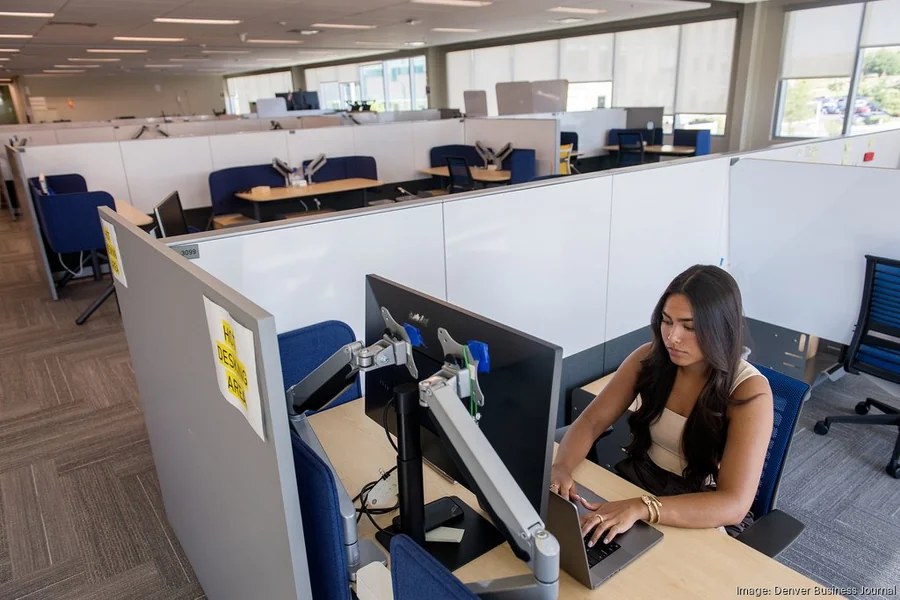
The way companies use offices has changed dramatically over the last several years. Remote work shifted expectations, hybrid schedules became common, and many businesses started questioning how much space they actually need. Even with those changes, physical offices still matter. Teams need places to meet clients, collaborate, train employees, and build a company culture that feels real beyond video calls. That balance is one reason demand for office space in Denver continues to evolve instead of disappearing.
Denver remains attractive to startups, established firms, remote-first companies needing satellite locations, and entrepreneurs looking for flexible workspace options. The city offers a mix of urban business districts, walkable neighborhoods, access to outdoor recreation, and a growing professional community that appeals to a wide range of industries.
Companies searching for office space today are making different decisions than they did ten years ago. Square footage alone is no longer the main focus. Businesses now pay closer attention to flexibility, employee experience, commute patterns, and long-term operating costs.
Denver Continues to Attract Growing Businesses
Denver has built a reputation as a strong business environment for technology, healthcare, finance, real estate, engineering, and creative industries. The city’s location also makes it appealing for companies that work across multiple time zones within the United States.
For many business owners, Denver strikes a balance between major-city opportunity and lifestyle appeal. Employees often value access to parks, restaurants, public transit options, and nearby outdoor recreation. That quality-of-life factor influences hiring and retention more than some employers expected in the past.
As a result, office decisions are no longer purely financial. Companies searching for office space in Denver frequently consider how a location may affect employee satisfaction and recruitment efforts.
Hybrid Work Changed Office Priorities
Before remote work became widespread, many businesses focused on maximizing desk count. Open-floor layouts packed employees into large shared spaces with little privacy. That approach lost momentum once hybrid work schedules became more common.
Today, many companies lease smaller footprints while investing more in meeting areas, collaborative spaces, and flexible layouts. Offices increasingly function as gathering spaces rather than places where every employee sits five days a week.
This shift has changed what tenants look for during property tours. Conference rooms with strong video conferencing setups matter more than oversized cubicle sections. Shared lounges, private call rooms, and adaptable layouts have become valuable features.
Landlords have adjusted as well. Some office properties now offer shorter lease terms, furnished suites, or coworking-style flexibility to attract tenants uncertain about long-term space requirements.
Location Still Shapes Business Identity
Even in a digital-heavy work environment, office location influences how clients and employees view a company.
Downtown Denver remains popular for firms that want proximity to financial institutions, legal offices, restaurants, and public transit. LoDo, RiNo, and Cherry Creek each attract different types of businesses depending on company culture and client expectations.
A law office may prioritize professional surroundings and accessibility for meetings. A creative agency might prefer a neighborhood with converted industrial buildings and a more casual atmosphere. Tech companies often look for modern layouts that support collaborative work styles.
Choosing office space in denver involves understanding how the neighborhood aligns with the company’s image and operational needs.
Smaller Companies Want Flexibility
Long-term commercial leases can feel risky for startups and smaller businesses. Growth patterns change quickly, especially during uncertain economic conditions.
Flexible office arrangements have become more appealing because they reduce some of that risk. Coworking memberships, executive suites, and short-term leases allow businesses to scale gradually instead of committing to oversized spaces immediately.
This flexibility helps companies preserve capital while maintaining a professional presence. It also appeals to remote-first businesses that occasionally need meeting rooms or collaborative workspace without leasing traditional offices full time.
For entrepreneurs, flexibility can matter more than prestige. A smaller, functional office that supports actual workflow often makes more sense than paying premium rates for unnecessary square footage.
Employees Care About the Office Experience
One major lesson from the remote-work era is that employees are less willing to tolerate uncomfortable office environments simply because management expects attendance.
If businesses want workers to commute regularly, the office itself needs to provide value. Natural light, comfortable meeting areas, modern technology, quiet workspaces, and nearby amenities all influence how employees feel about coming into the office.
Poorly designed offices create frustration. Loud layouts, limited parking, outdated technology, and cramped workstations can hurt morale and productivity.
Companies searching for office space in denver increasingly evaluate spaces from the employee perspective instead of focusing entirely on executive priorities.
Parking and Accessibility Still Matter
Office aesthetics attract attention during tours, though practical logistics often shape daily satisfaction more than design alone.
Parking availability remains important in many parts of Denver, especially for businesses with clients visiting regularly or employees commuting from suburban areas. Public transit access can also influence office selection, particularly for companies aiming to reduce commute-related stress.
Accessibility inside the building matters as well. Elevators, security systems, after-hours access, bike storage, and building maintenance quality all affect the overall experience.
Some businesses overlook these details during the search process and regret it later when operational frustrations begin affecting staff and clients.
The Rise of Amenity-Focused Buildings
Commercial properties increasingly compete through amenities rather than square footage alone. Modern office buildings often include fitness centers, conference facilities, rooftop spaces, coffee bars, or shared lounges.
These additions are partly about employee convenience, though they also reflect changing expectations around workplace culture. Businesses want environments that feel more adaptable and comfortable than older office models.
That does not mean every company needs luxury features. Smaller businesses may prioritize affordability over premium amenities. Still, well-designed common areas and updated infrastructure can improve daily work experience in noticeable ways.
For landlords, these upgrades help attract tenants in a more competitive leasing market.
Cost Pressures Are Changing Leasing Decisions
Office rent is only one part of the financial equation. Businesses also evaluate utilities, maintenance costs, parking fees, internet infrastructure, insurance, furniture expenses, and potential renovation needs.
A cheaper lease may become expensive if the space requires major updates or lacks efficient systems. On the other hand, premium office buildings sometimes provide turnkey setups that reduce operational headaches.
Companies searching for office space in denver are often more cautious now than they were before widespread remote work. Many want scalable solutions that leave room for adjustment instead of locking them into rigid long-term commitments.
That caution has increased demand for spaces offering flexibility without sacrificing professionalism.
Shared Workspaces Are No Longer Just for Startups
Coworking environments once carried a narrow image associated mostly with freelancers and early-stage startups. That perception has expanded considerably.
Larger businesses now use shared workspaces for satellite teams, temporary project offices, or hybrid scheduling support. Some companies prefer maintaining smaller headquarters while giving employees access to coworking locations closer to home.
Shared spaces also simplify operational responsibilities. Furniture, internet service, cleaning, and reception support are often included, which reduces administrative burden for smaller teams.
This approach will not fit every business. Companies handling sensitive information or requiring specialized layouts may still prefer private office environments. Even so, flexible workspace models continue gaining traction across many industries.
Design Trends Are Becoming More Practical
Office design trends used to focus heavily on appearance. Sleek lounges and dramatic interiors looked impressive in marketing photos, though they did not always support productivity.
Businesses are becoming more practical in their approach. Quiet work areas, acoustic control, ergonomic furniture, and adaptable meeting rooms now receive more attention.
Natural light remains highly valued because it can improve comfort during long workdays. Access to outdoor space has also become more appealing since many employees spent extended periods working from home.
Companies investing in office space in denver are increasingly interested in layouts that support concentration and collaboration without creating constant distractions.
What Businesses Should Evaluate Before Signing a Lease
Office searches move quickly in competitive markets, though rushing into a lease can create long-term problems.
Before committing to a space, businesses should carefully evaluate:
- Lease flexibility and renewal terms
- Parking availability and costs
- Internet infrastructure
- HVAC quality and maintenance
- Noise levels
- Public transit access
- Nearby dining and services
- Expansion potential
- Security systems
- Building management responsiveness
It also helps to think beyond immediate needs. A space that works perfectly for a five-person team may become restrictive within a year if growth accelerates.
Touring the property during normal business hours can reveal issues that may not appear during staged walkthroughs.
Why Physical Offices Still Matter
Despite predictions that remote work would eliminate offices entirely, many businesses still see value in physical workspace. Collaboration, mentoring, client interaction, and team culture often function better when people spend at least some time together in person.
The role of the office has changed, though it has not disappeared. Companies are becoming more selective about the type of environment they provide and the purpose that environment serves.
That shift explains why interest in office space in denver remains active even as workplace habits continue evolving. Businesses still want spaces where employees can connect, focus, and collaborate effectively. They are simply approaching those decisions with a more flexible and thoughtful mindset than they did in previous years.