
The Hidden Role of Industrial Cleaning in Environmental Compliance
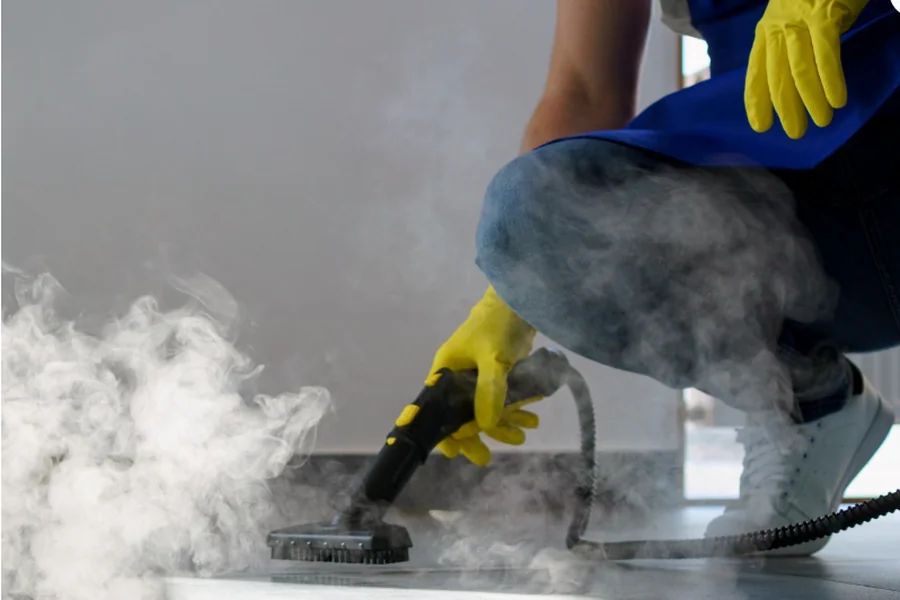
Environmental compliance is often discussed in terms of permits, inspections, and reporting requirements. Less visible, but just as critical, is the role that routine industrial cleaning plays in keeping facilities within regulatory boundaries. For waste management sites in particular, surface contamination, runoff control, and residue buildup are not cosmetic issues. They directly affect whether a facility can meet environmental standards on an ongoing basis. This is why many operators treat infrastructure tools such as a commercial pressure washer for waste management as part of their compliance strategy, not as an afterthought, but as a practical response to regulatory expectations tied to cleanliness, containment, and site control.
Why Waste Facilities Face Unique Environmental Risks
Waste facilities operate in conditions that naturally generate environmental risk. Transfer stations, recycling plants, and material recovery facilities handle organic waste, industrial byproducts, and mixed materials that can leave residues on floors, loading bays, compactors, and vehicle routes. Over time, these residues can migrate into storm drains, seep into soil, or create slip hazards that compound safety and compliance issues. Regulators tend to focus on outcomes rather than tools, but the condition of surfaces is often one of the first indicators inspectors use to assess whether a site is being responsibly managed.
Industrial Cleaning as a Cross-Compliance Function
One reason industrial cleaning is underappreciated in compliance discussions is that it does not sit neatly within a single regulatory category. It intersects with environmental protection, worker safety, and equipment maintenance. A poorly cleaned surface can contribute to contaminated runoff, which raises environmental concerns. The same surface can also increase the risk of workplace injuries, drawing attention from occupational safety regulators. In this way, cleaning practices quietly support compliance across multiple regulatory domains, even when they are not explicitly named in permit language.
Prevention Over Remediation in Modern Regulation
Environmental regulations increasingly emphasize prevention rather than remediation. Agencies expect operators to demonstrate that they are minimizing the potential for pollution at its source. In waste management environments, this means controlling where waste materials accumulate and ensuring that residues are removed before they become mobile contaminants. High-pressure cleaning is particularly relevant here because it allows operators to address embedded grime, oils, and biological matter that standard washdowns cannot remove effectively.
The Link Between Surface Cleanliness and Stormwater Compliance
The relationship between surface cleanliness and stormwater compliance is especially important. Many waste facilities fall under stormwater permitting programs that require operators to prevent pollutants from entering nearby waterways. Inspectors often look for visible signs of neglect, such as accumulated waste residue near drains or loading zones. Regular, thorough cleaning supports compliance by keeping these high-risk areas under control and demonstrating proactive environmental management.
Documentation, Accountability, and Inspection Readiness
Industrial cleaning also plays a role in documentation and accountability. Facilities that implement structured cleaning protocols are better positioned to show regulators that they have systems in place to manage environmental risk. Cleaning schedules, maintenance logs, and equipment records help establish a pattern of responsible operation. When an issue does arise, documented cleaning practices can provide context during inspections.
Adapting Cleaning Practices to Complex Waste Streams
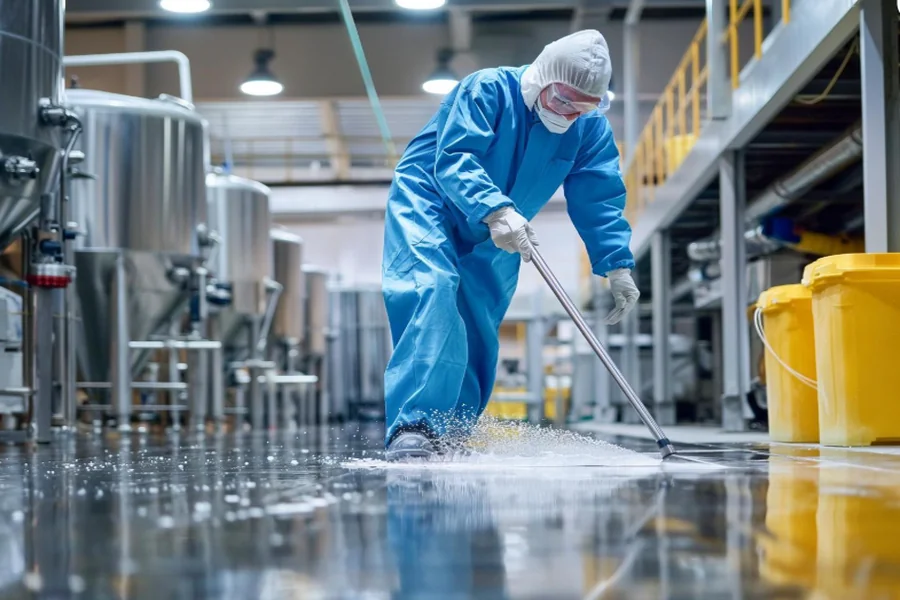
Another factor driving the importance of industrial cleaning is the rising complexity of waste streams. Modern waste facilities handle everything from construction debris to electronic waste, each with its own contamination profile. Some materials leave behind fine particulates, others oils or chemical residues. Without appropriate cleaning methods, these substances can accumulate in ways that are difficult to detect until they cause a compliance issue.
Regulatory Recognition of Housekeeping Practices
From a broader policy perspective, environmental agencies consistently highlight the importance of housekeeping as part of pollution prevention. Guidance from the U.S. Environmental Protection Agency recognizes routine industrial surface cleaning as a foundational element of stormwater pollution prevention planning, reinforcing its role within established regulatory frameworks.
Why Cleaning Practices Influence Long-Term Compliance Outcomes
The operational benefits of industrial cleaning also feed back into compliance outcomes. Clean facilities are easier to inspect, easier to maintain, and less likely to experience unexpected shutdowns due to safety or environmental violations. Equipment lasts longer when corrosive residues are removed promptly, and vehicle movement becomes safer when surfaces are free of buildup.
Industrial Cleaning as a Visible Signal of Compliance Culture
As environmental standards continue to evolve, waste management operators are under increasing pressure to demonstrate control over every aspect of their sites. While new technologies and reporting tools often receive the most attention, foundational practices such as industrial cleaning remain essential. They translate regulatory principles into daily actions that inspectors can see and evaluate.