
How Play-Based Learning Supports Early Speech Development
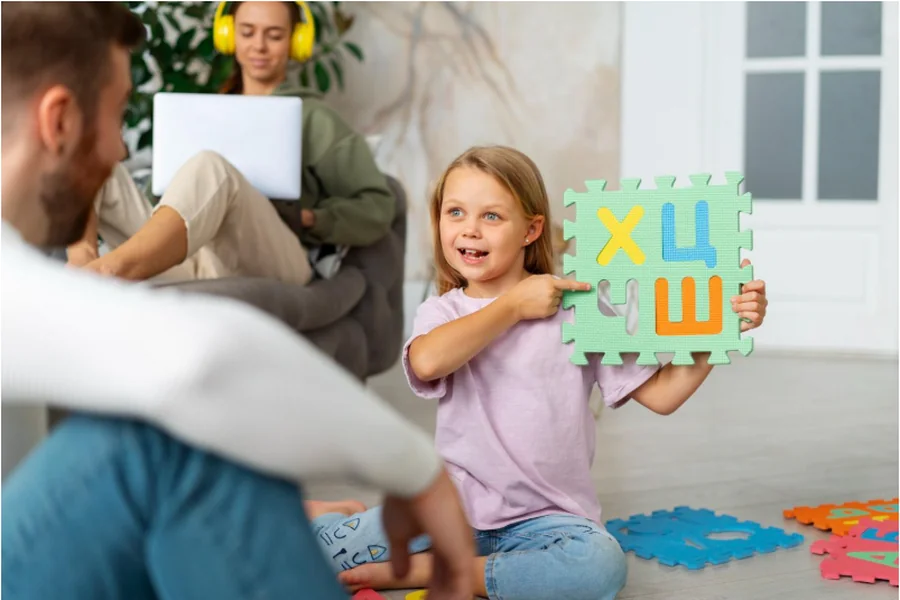
Speech and language development rarely happen in isolation. They grow through interaction, repetition, and meaningful engagement with the world. For children, one of the most effective environments for this process is play. It is through play that communication begins to take shape, evolving from simple sounds into structured language over time.
Understanding this connection changes how speech development is approached. Instead of focusing solely on structured exercises, it highlights the importance of everyday moments.
Why Play Is Central to Communication
Play creates a natural context for communication. It encourages children to express needs, respond to cues, and experiment with sounds and words without pressure.
Unlike formal instruction, play is flexible. It adapts to the child’s pace, interests, and level of development. This flexibility allows communication skills to emerge organically.
During play, children are not just entertained. They are practicing essential skills such as turn-taking, listening, and responding. These are the building blocks of language.
The Power of Repetition and Interaction
One of the key elements of speech development is repetition. Hearing and using words multiple times helps children understand their meaning and structure.
Play naturally incorporates repetition. Whether it is naming objects, describing actions, or repeating phrases, these patterns reinforce learning.
Interaction adds another layer. When caregivers respond, expand on words, or model new language, children gain a clearer understanding of how communication works.
This back-and-forth exchange is what transforms sounds into meaningful language.
Creating Opportunities for Language Growth
Speech development does not require complex setups. It can be supported through simple, intentional choices within everyday routines.
Activities such as reading, storytelling, and role-playing provide opportunities for language use. Even routine tasks, like getting dressed or preparing meals, can become moments of communication.
The key is engagement. When children are involved and attentive, they are more likely to participate and experiment with language.
The Role of Structured Play Tools
While unstructured play is valuable, certain tools can provide additional support by guiding interaction and focusing attention on specific skills.
For example, parents and caregivers may choose to incorporate speech therapy toys into playtime. These tools are often designed to encourage sound formation, vocabulary building, and interactive communication. Used naturally within play, they can help reinforce patterns without making the experience feel instructional.
The goal is not to replace spontaneous play, but to enhance it.
Understanding Individual Development
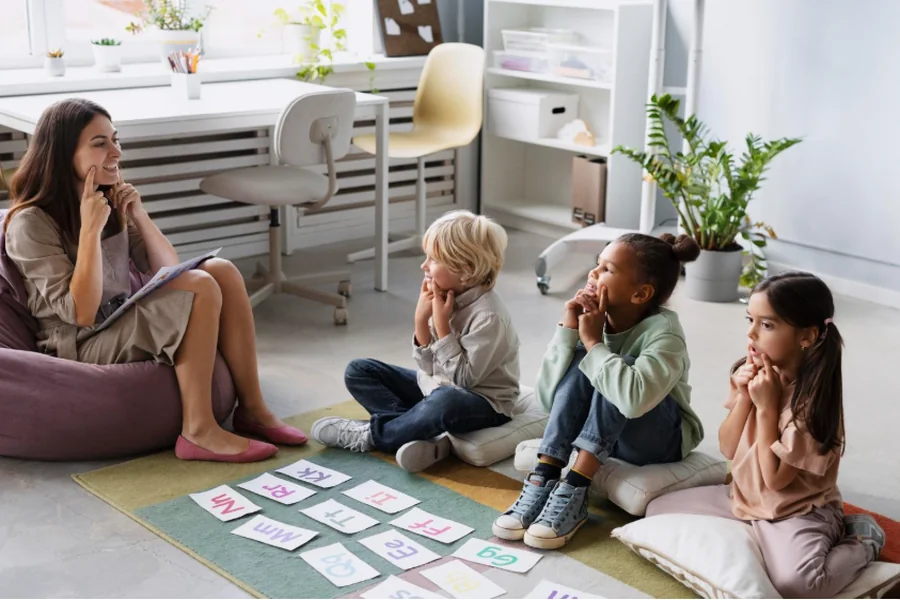
Every child develops at their own pace. Some may begin speaking earlier, while others take more time to build confidence with language.
This variation is normal. It reflects differences in environment, personality, and exposure to communication.
A personalized approach allows caregivers to respond to the child’s specific needs. It avoids unnecessary pressure and supports steady progress.
What Research Says About Early Language Development
The importance of early interaction and play in speech development is well supported by research. Language skills are shaped by both environment and engagement.
According to the American Speech-Language-Hearing Association, responsive interaction, play-based learning, and consistent communication are key factors in supporting speech and language growth. Their guidance emphasizes that children learn best when they are actively engaged in meaningful exchanges.
This reinforces the idea that development is not just about exposure, but about participation.
Encouraging Communication Through Daily Habits
Simple habits can have a lasting impact on speech development. Talking to children throughout the day, asking questions, and responding to their attempts at communication all contribute to progress.
It is not necessary for every interaction to be structured. Casual conversations and shared activities are often just as effective.
Consistency is what matters most. Regular engagement creates a stable environment for learning.
Reducing Pressure, Supporting Confidence
One of the challenges in supporting speech development is avoiding unnecessary pressure. When children feel rushed or corrected too frequently, they may become hesitant to communicate.
A supportive approach focuses on encouragement rather than correction. It allows children to experiment with language without fear of making mistakes.
Confidence plays a significant role in communication. When children feel comfortable expressing themselves, they are more likely to continue developing their skills.
The Long-Term Impact of Early Support
Early speech development lays the foundation for future learning. Communication skills influence social interaction, academic progress, and overall confidence. By supporting these skills early, caregivers help create a framework that extends beyond childhood. This does not require perfection. It requires consistency, awareness, and a willingness to engage.
As understanding of child development continues to evolve, the emphasis on play-based learning is likely to remain strong. It offers a natural, effective way to support communication without separating learning from everyday life.
In this context, speech development becomes part of daily interaction rather than a separate task. It is woven into play, conversation, and shared experiences. And through these moments, language grows, gradually, naturally, and with lasting impact.