
How to Navigate Japan’s Public Transport Like a Local
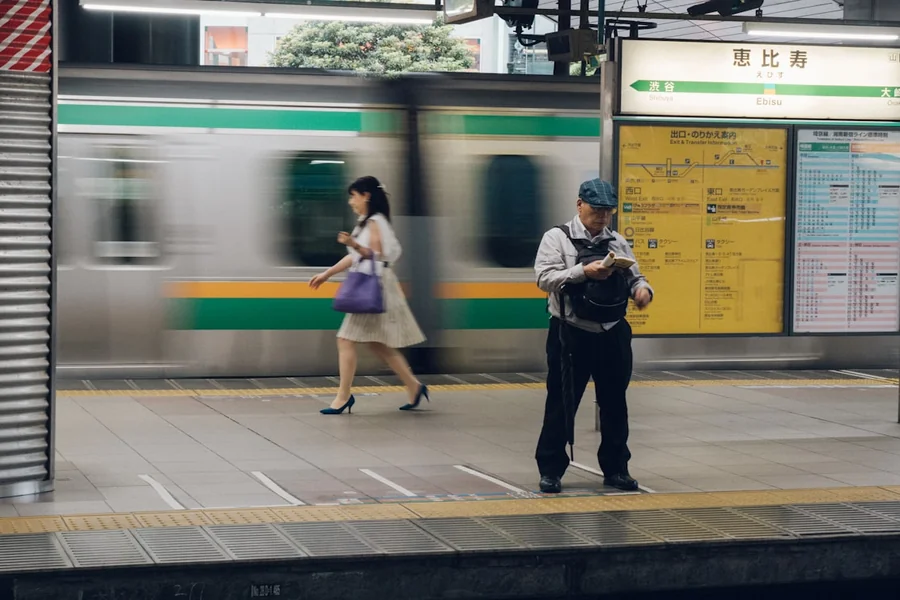
Japan is renowned worldwide for its efficiency, cleanliness, and punctuality, and nowhere is this more evident than in its public transportation system. From bustling metropolises like Tokyo and Osaka to serene regional towns, trains, subways, and buses form the lifeblood of daily life. For first-time visitors, however, the complexity of the network can be intimidating. Tickets, cards, schedules, and etiquette all play a part in the experience. Navigating Japan’s public transport like a local isn’t just about getting from point A to point B—it’s about embracing a system designed for precision, convenience, and courtesy.
Understanding the Basics: Trains, Subways, and Buses
Japan’s public transport network is primarily rail-based. There are three main categories you should know:
- Shinkansen (Bullet Trains) – These high-speed trains connect major cities such as Tokyo, Kyoto, Osaka, and Hiroshima. Traveling at speeds up to 320 km/h (200 mph), the Shinkansen is fast, reliable, and a favorite among both locals and tourists. While most first-time visitors buy single tickets, locals often use Japan Rail Passes or commuter passes for convenience and cost savings.
- Local and Regional Trains – These include services run by companies like JR East, JR West, and numerous private rail operators. Local trains stop frequently and are perfect for commuting within cities or short intercity travel. Understanding train maps and line colors is key, as many cities have overlapping networks.
- Subways and Buses – Urban areas often have separate subway networks alongside the train system. Buses, while less popular among tourists, serve areas not accessible by train. Routes are clearly posted, and buses often accept the same IC cards as trains, making transfers seamless.
Using IC Cards: The Local Convenience
For anyone wanting to move around without fumbling for tickets, IC cards are indispensable. IC cards like Suica (Tokyo area) and ICOCA (Kansai region) allow you to tap and go, much like contactless credit cards. Here’s what makes them so useful:
- Preloaded funds – You can add money at stations, convenience stores, or ticket machines.
- Universality – These cards work on trains, subways, buses, and even in some shops and vending machines.
- Refundable deposits – You can return your card at the end of your trip for a small refund, minus a handling fee.
For tourists, Suica and Pasmo cards are particularly convenient. They eliminate the need to calculate fares for each journey, saving time and reducing stress, especially during rush hours.
Reading Train Maps and Timetables
Japan’s train maps can appear overwhelming, but there’s a method to the madness. Stations display clear route maps with color-coded lines and station numbers. Local commuters pay attention to these numbers because they indicate the order of stations on a line, making transfers easier even if you don’t read Japanese.
Timetables are another essential tool. Trains in Japan run like clockwork, often arriving within a minute of the scheduled time. Apps like Google Maps or HyperDia provide real-time schedules, platform numbers, and transfer information. Locals rely on these tools to plan their daily commutes efficiently.
Navigating Rush Hour
Japanese rush hours are legendary, particularly in cities like Tokyo. Between 7:30–9:00 a.m. and 5:30–7:30 p.m., trains are packed with commuters. While tourists may find it overwhelming, observing local etiquette can make the experience manageable:
- Queue properly – Follow the line markings on the platform.
- Don’t push – Station staff or designated “oshiya” (pushers) handle crowding if necessary.
- Keep quiet – Talking on the phone is considered rude. Many passengers use headphones or remain silent.
- Stand to the side on escalators – In Tokyo, the left side is for standing; in Osaka, stand on the right.
Understanding these unspoken rules not only ensures your comfort but also earns the respect of locals.
Buying Tickets Like a Local
While IC cards are convenient, sometimes purchasing individual tickets is necessary, especially for Shinkansen trips or rural lines. Ticket machines usually have English options and display fares clearly. Here are some tips:
- Know your destination station – Ticket prices are calculated based on distance traveled.
- Consider reserved seats – For Shinkansen or limited express trains, reserved seating is recommended during peak travel seasons.
- Round-trip vs. one-way – Round-trip tickets are sometimes slightly cheaper, but locals often prefer flexibility with one-way tickets.
For frequent travel, commuters often invest in a monthly commuter pass, which provides unlimited travel between two stations. These passes save money and time, especially for students and office workers.
Transfers and Connections
Japanese train networks are dense, and transfers are common. Here’s how to make them smoother:
- Follow station signs – Large stations have color-coded signs indicating platforms, exits, and transfer lines.
- Allow extra time – While trains are punctual, some stations are massive, requiring 10–15 minutes to walk between platforms.
- Check transfer directions in advance – Apps like Navitime or Japan Travel by NAVITIME provide walking directions and elevator/escalator routes.
Understanding transfer etiquette is equally important. Always allow faster passengers to pass and avoid blocking crowded corridors.
Etiquette Onboard
Japanese public transport is not just about efficiency; it’s also about respect and courtesy. Observing the following can help you blend in:
- Priority seats – Reserved for elderly, pregnant, or disabled passengers. Avoid sitting here if you don’t fall into one of these categories.
- Quiet zones – Many long-distance trains have designated quiet cars. Conversations and phone calls are discouraged.
- Eating and drinking – Generally allowed on Shinkansen but discouraged on local trains.
Following these customs ensures a comfortable ride for everyone.
Exploring Beyond Major Cities
Japan’s public transport shines not just in big cities but also in regional travel. Rural trains and buses connect smaller towns, often with scenic routes. For instance, the Sagano Scenic Railway in Kyoto or the Tateyama Kurobe Alpine Route in the Alps offers unforgettable experiences. Unlike urban networks, these lines may have limited frequency, so checking schedules in advance is crucial.
Local buses in rural areas often operate on fixed schedules, with some requiring payment upon boarding. Knowing how to read route maps and fare charts, and keeping small change ready, can make these trips smoother.
Apps and Technology That Locals Use
Modern Japanese commuters rely heavily on apps to navigate the system:
- Google Maps – Provides station info, transfer guidance, and train schedules.
- HyperDia – Excellent for planning intercity travel with train types, times, and fares.
- Japan Transit Planner – Focuses on real-time transit connections and is helpful for regional trains.
- IC card apps – Manage your balance and reload cards conveniently via smartphones.
Embracing these tools can make your journey seamless and allow you to travel like someone who lives there.
Tips for a Stress-Free Experience
- Travel light – Crowded trains make large luggage cumbersome. Consider using luggage delivery services for longer trips.
- Know your station exits – Major stations have multiple exits leading to different city districts. Choosing the correct exit saves time and confusion.
- Stay near convenient locations – Booking a hotel near Nagoya Station or similar central hubs gives you quick access to trains and Shinkansen lines, reducing stress during transfers.
- Avoid peak hours when possible – If your schedule allows, traveling mid-morning or early afternoon ensures a more relaxed ride.
- Learn a few Japanese phrases – Words like “sumimasen” (excuse me) or “ikura desu ka?” (how much is it?) go a long way in helping interactions.
Embracing the Experience
Navigating Japan’s public transport like a local is more than just mastering schedules and tickets—it’s about appreciating a system built on precision and mutual respect. From the gleaming Shinkansen that glides between cities to the quiet efficiency of local subways and buses, each ride offers a glimpse into Japanese culture and daily life. By observing etiquette, using IC cards, and leveraging technology, you can travel efficiently, comfortably, and confidently.
Whether you’re exploring neon-lit streets of Tokyo, historic temples of Kyoto, or the tranquil countryside, moving like a local allows you to immerse yourself fully in the rhythm of Japanese life. Each train ride, transfer, and bus journey becomes not just a means of travel, but a chance to experience the heart of Japan’s culture and society.
Mastering Japan’s public transport transforms what might seem like a logistical challenge into a uniquely enjoyable adventure—one that’s punctual, polite, and undeniably efficient.