
The Shift Toward Everyday Recovery and What It Means for Modern Living
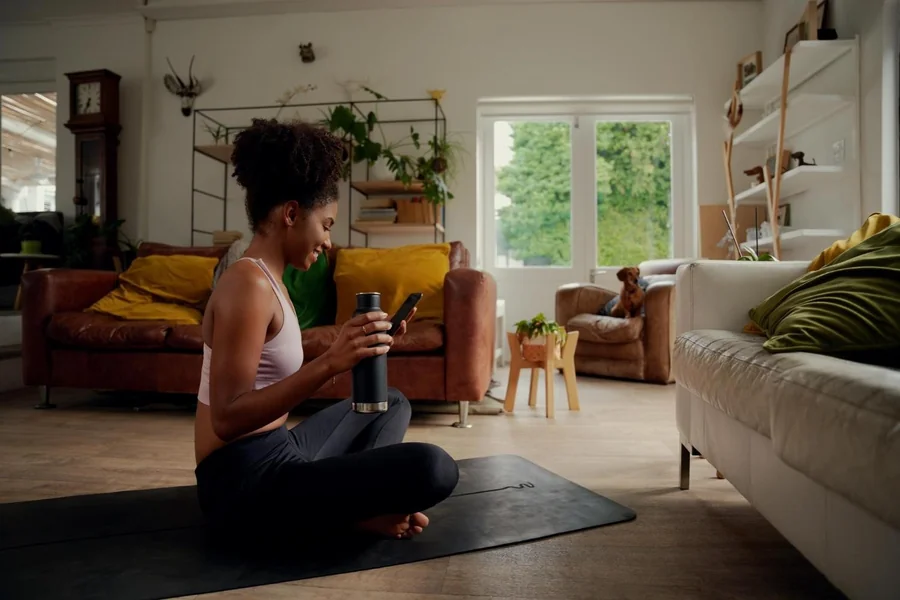
For a long time, rest was treated as something secondary. It existed in the margins, weekends, holidays, or brief pauses between periods of activity. Productivity defined structure, and recovery was something that followed it, often inconsistently.
That dynamic is changing.
Today, there is a growing recognition that recovery is not separate from performance. It is part of it. The way people rest, recharge, and reset has a direct impact on how they function day to day. As a result, recovery is no longer being reserved for specific moments. It is being integrated into everyday life.
This shift is subtle, but it is reshaping how homes are designed, how routines are built, and how individuals think about well-being.
Moving From Occasional to Consistent
One of the defining characteristics of this change is consistency. Instead of relying on occasional wellness experiences, such as spa visits or retreats, people are looking for ways to incorporate similar benefits into their daily environments.
This is not about replicating luxury for its own sake. It is about accessibility. When recovery tools are available within the home, they become part of a routine rather than an exception.
Even small changes can have a meaningful impact. A dedicated space to unwind, a structured evening routine, or a physical environment that encourages slowing down can all contribute to a more balanced lifestyle.
The Role of Environment in Recovery
The spaces people occupy influence behavior more than they often realize. A cluttered or overly stimulating environment can make it difficult to relax, while a well-designed space can support a sense of calm almost immediately.
This is why the concept of intentional design is becoming more prominent. It is not just about how a space looks, but how it functions in relation to daily life.
Lighting, materials, and layout all play a role. Natural textures, softer tones, and simplified arrangements tend to create environments that feel more restorative. These elements signal a shift away from constant activity and toward a slower, more deliberate pace.
Heat Therapy and the Return to Simplicity
Among the various approaches to recovery, heat therapy has remained one of the most consistent. It does not rely on complex technology or rapidly changing trends. Instead, it offers a straightforward, effective way to support relaxation and physical recovery.
Saunas, in particular, have gained renewed attention. While they have long been associated with wellness traditions in different parts of the world, they are now becoming more common in private homes.
Part of their appeal lies in their simplicity. A quiet, enclosed space with controlled heat creates a clear separation from external distractions. It allows the body to shift into a different state, one that prioritizes recovery over activity.
For those looking to incorporate this experience into their own environment, platforms like SaunaKits.com provide accessible options that can be adapted to different spaces and needs. Rather than requiring extensive renovations, these solutions make it possible to introduce structured heat therapy into a daily routine in a way that feels practical and sustainable.
Recovery as a Physical and Mental Process
Recovery is often associated with the body, but its impact extends further. Physical relaxation and mental clarity are closely connected. When one improves, the other often follows.
Heat exposure, for example, can help reduce muscle tension and promote circulation, but it also creates a setting that encourages stillness. In a world where attention is constantly divided, this kind of focused pause becomes increasingly valuable.
According to the Harvard Medical School, practices that support relaxation, such as controlled heat exposure, can play a role in reducing stress levels and supporting overall well-being when used appropriately. While individual results vary, the underlying principle remains consistent: intentional recovery contributes to both physical and mental balance.
Redefining Productivity
As recovery becomes more integrated into daily life, the concept of productivity is also evolving. It is no longer measured solely by output, but by sustainability.
Working continuously without adequate recovery often leads to diminishing returns. Energy levels decline, focus becomes inconsistent, and performance eventually suffers. By contrast, incorporating regular recovery allows for more consistent engagement over time.
This perspective encourages a different approach to scheduling. Instead of filling every available moment, there is value in creating space, time that is not assigned to a specific task, but reserved for recalibration.
The Importance of Routine
One of the reasons home-based wellness is gaining traction is that it supports routine. When recovery practices are easily accessible, they are more likely to be repeated.
Consistency, in this context, is more important than intensity. Short, regular sessions often have a greater cumulative effect than occasional, longer ones.
This applies to a wide range of practices, from stretching and movement to heat therapy and relaxation techniques. The goal is not to create a rigid structure, but to establish a rhythm that feels sustainable.
A More Balanced Approach to Living
What emerges from this shift is a more balanced way of living. Activity and recovery are no longer treated as opposites, but as complementary parts of the same system.
Homes are becoming environments that support this balance. They are being designed not just for efficiency, but for well-being, spaces where both productivity and recovery can coexist.
This does not require dramatic changes. Often, it is the result of small, thoughtful adjustments that accumulate over time.
As awareness around recovery continues to grow, its integration into daily life is likely to deepen. The focus will remain on accessibility, consistency, and simplicity.
Rather than seeking occasional escape, people are building environments that support them every day. In this context, wellness is no longer something that needs to be scheduled or pursued externally. It becomes part of the structure of everyday life.
And perhaps that is the most significant change of all.
Because when recovery is no longer treated as an afterthought, everything else begins to function differently, more steadily, more sustainably, and with a greater sense of balance.